The ongoing US-Israeli conflict with Iran has once again highlighted the precarious nature of the global oil and gas supply chain. With Iran's strategic control over the Strait of Hormuz, a critical maritime passage for oil shipments, tensions in the region have escalated. This geopolitical strife has led to increased oil prices, posing significant risks to global economic stability. As nations grapple with the potential implications of rising fuel costs, the spotlight shifts towards alternative energy solutions.
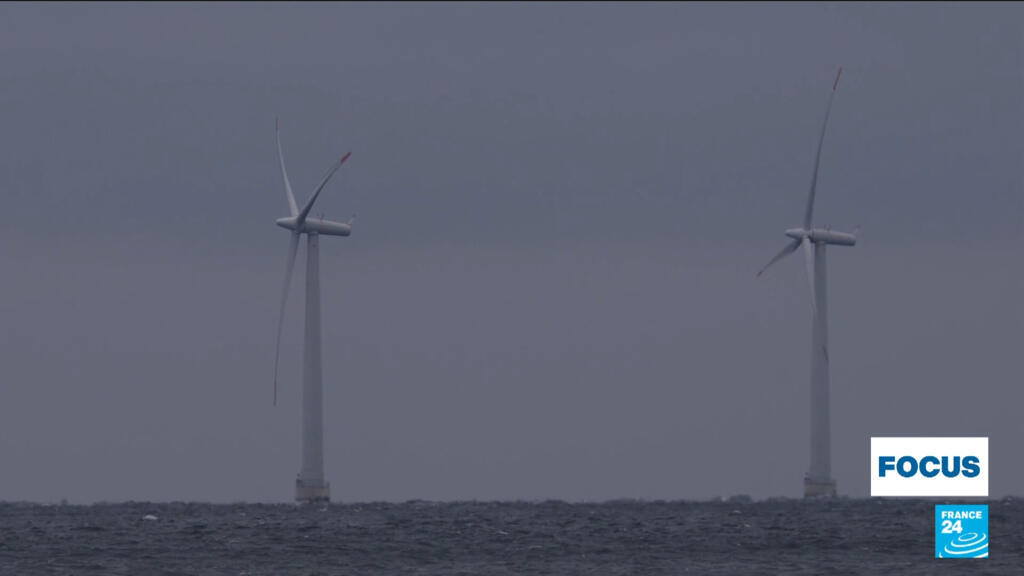
In this context, renewable energy sources such as wind and solar power are proving to be not just viable alternatives but also essential for future energy security. The Danish island of Samsø serves as a notable example of how communities can harness wind energy effectively. This island, which is fully powered by wind turbines, demonstrates the potential of renewable energy to provide sustainable, reliable power while reducing dependence on fossil fuels.
Samsø boasts a remarkable journey towards sustainability, transforming into a self-sufficient energy community since initiating its renewable energy project in the late 1990s. By investing in wind farms and solar panels, the island has achieved a significant reduction in carbon emissions and has become a model for other regions looking to transition away from fossil fuels. The success of this island is particularly relevant in light of current global tensions, as it underscores the importance of developing alternative energy sources to maintain energy independence.
As the geopolitical landscape evolves, the reliance on hydrocarbons becomes increasingly risky. The situation in the Strait of Hormuz serves as a reminder of the vulnerabilities associated with global energy supplies. By fostering the growth of renewable energy infrastructure, countries can reduce their dependence on oil and gas, subsequently enhancing their resilience against such geopolitical challenges.
In summary, the developments surrounding the US-Israeli conflict with Iran and the implications for global oil and gas supplies reiterate the urgent need for a pivot towards renewable energy adoption. The example set by Samsø illustrates that a sustainable energy future is not only possible but already being realized. With advancements in solar and wind technologies, coupled with political will, nations can pave the way for a more secure and sustainable energy landscape.