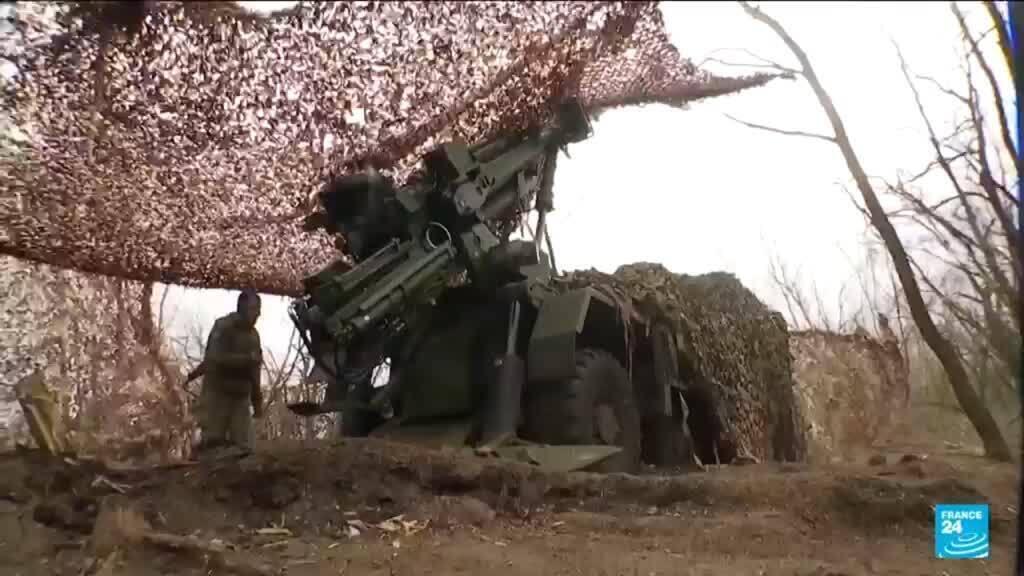
On a recent Saturday, Russian night-time strikes on Ukraine resulted in significant casualties, with reports indicating that 14 individuals were wounded. These attacks are a continuation of the ongoing conflict between Russia and Ukraine, which has seen multiple military engagements leading to civilian harm. The strikes targeted various regions in Ukraine, emphasizing the ongoing volatility and danger faced by citizens in the area amid military operations.
In a related incident occurring within Russian territory, a separate series of air attacks led to one fatality and injured four individuals. These attacks highlight the spillover effects of the conflict, with Russia experiencing its own share of challenges as it engages in military action against Ukraine. The juxtaposition of casualties on both sides underscores the complexity and severity of the situation, illustrating how the conflict is affecting not just the frontline but also civilian populations in Russia.
As the situation unfolds, the humanitarian impact of these military operations continues to grow. Many civilians in Ukraine have already been displaced due to ongoing hostilities, and with each strike, the potential for increased damage to infrastructure and loss of life remains present. International reactions to these strikes have varied, with calls from different governments for de-escalation and renewed dialogue between the involved parties.
The conflict has entered a new phase, with these recent attacks suggesting an escalation in hostilities. Analysts fear that without a resolution, both military and civilian casualties could rise further, exacerbating the already tense situation. The targeting of civilian areas, as reported in many of these strikes, raises concerns about international law and the implications for those responsible for such actions.
As the conflict persists, the need for a diplomatic solution becomes increasingly urgent. Governments and international organizations continue to monitor the developments closely, urging for negotiations that could lead to a ceasefire and bring an end to the violence. The prospect of peace remains uncertain, but the impact of these assaults on both Ukraine and Russia reflects a dire need for intervention and reconciliation efforts.
In conclusion, the recent attacks highlight the ongoing challenges faced by both nations, shedding light on the devastating reality of warfare and its repercussions on human lives. The situation remains fluid, and as new developments arise, the international community watches with concern, hopeful for a future resolution that prioritizes peace and security for all affected parties.