Current Crisis in the Middle East: A Systemic Shock to the Global Order
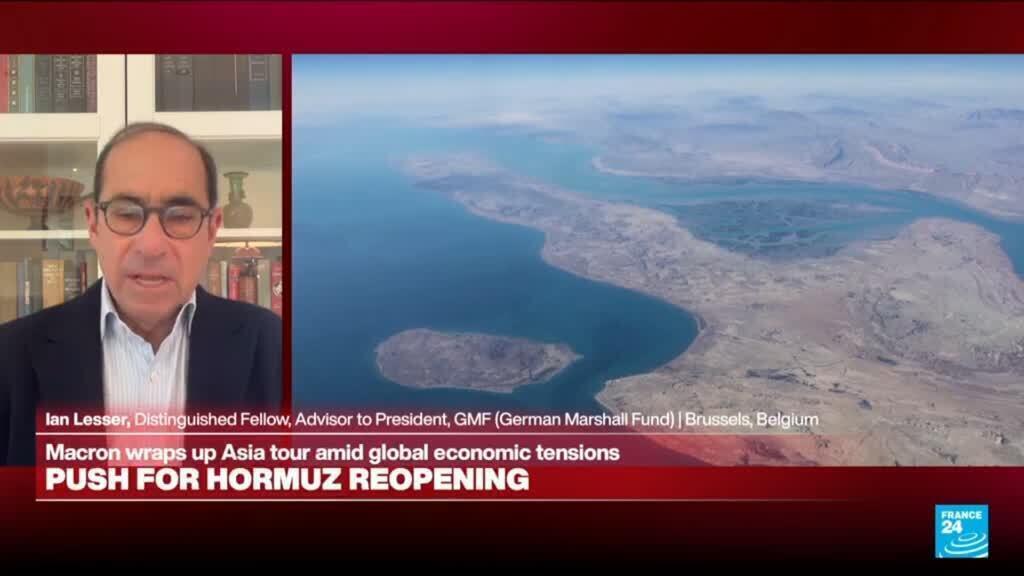
Kethevane Gorjestani recently hosted Ian Lesser, an esteemed author and Senior Director for Foreign and Security Policy at the German Marshall Fund (GMF). During the discussion, Mr. Lesser emphasized the profound implications of the ongoing crisis in the Middle East, describing it as a systemic shock to the global order. This crisis transcends regional boundaries, affecting international relations and economic stability across various regions, including Europe, Asia, and the United States.
Mr. Lesser highlighted that the current geopolitical landscape is characterized by a convergence of multiple factors: energy insecurity, strategic distrust, and shifting alliances. These issues are forcing countries to reevaluate their foreign policies and diplomatic strategies as they navigate the complex realities of an increasingly volatile world.
One of the most pressing concerns mentioned by Mr. Lesser is the blockade of the Strait of Hormuz. This maritime chokepoint is vital for global oil trade, and any disruption in this area can lead to significant political, diplomatic, and economic challenges. The Strait of Hormuz is crucial for the transportation of approximately 20% of the world's oil supply, making its security a priority for many nations. The blockade not only jeopardizes energy supplies but also heightens tensions between major powers involved in the region.
The implications of these crises extend beyond immediate economic impacts. As countries grapple with energy insecurity, they may find themselves forming new alliances or strengthening existing ones in pursuit of collective security and stability. For instance, the shifting dynamics between the United States and its traditional allies in Europe may prompt a re-evaluation of defense strategies and energy dependencies.
In Asia, the situation is similarly complex. Nations are increasingly concerned about their energy needs and how they can secure stable supplies amidst rising tensions in the Middle East. The interplay between energy politics and national security is becoming a dominant theme in foreign policy discussions across the continent. Countries are likely to seek alternative energy sources or partners to mitigate the risks associated with dependence on Middle Eastern oil.
Strategic distrust is another significant factor influencing international relations today. As nations navigate a landscape of competing interests and historical grievances, mutual suspicion can complicate diplomatic efforts. The current crisis only exacerbates these tensions, making cooperation more challenging. Countries may be less willing to trust one another in negotiations, particularly when vital resources are at stake.
Shifting alliances are further indicative of the changing geopolitical environment. Traditional partnerships may be tested as countries adapt to new realities and seek to protect their interests. For example, relationships between Middle Eastern countries and global powers have been notably fluid, with nations reassessing their strategic alignments based on current events.
In conclusion, Ian Lesser's insights shed light on the multifaceted nature of the ongoing crisis in the Middle East and its far-reaching consequences for the global order. As energy insecurity, strategic distrust, and shifting alliances reshape international relationships, countries will need to navigate a complex web of challenges to maintain stability and security in their respective regions and beyond.