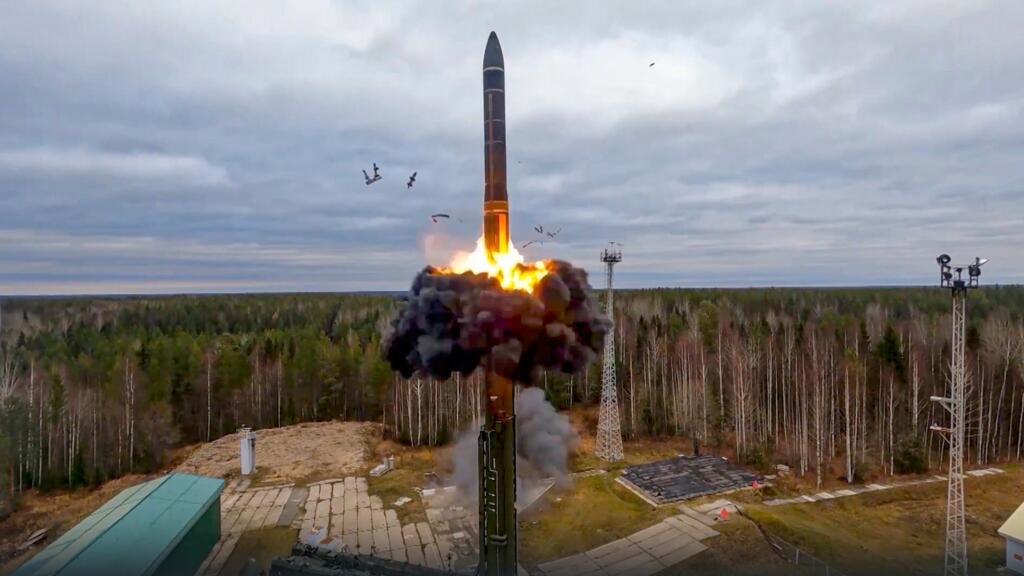
Russia's Ministry of Defense has announced that the country's armed forces will conduct significant nuclear exercises from May 19 to May 21. This large-scale drill is set to involve an impressive number of over 65,000 troops alongside 7,800 different types of equipment and weaponry.
These exercises are part of Russia's ongoing efforts to enhance and demonstrate its military capabilities, particularly in the context of its nuclear forces. The decision to hold such drills comes at a time of heightened geopolitical tensions, as Russia seeks to showcase its readiness and preparedness in the face of potential threats.
The drills will feature a wide range of operational scenarios and are expected to include various military branches working together to simulate responses to different wartime situations. This collaborative approach aims to ensure that personnel are trained to operate effectively across multiple domains of warfare.
Moreover, the exercises are likely to focus on the strategic components of Russia's nuclear deterrent capabilities. This may involve practices related to the deployment and use of nuclear weapons, as well as the coordination between different units responsible for maintaining the integrity of the country’s nuclear arsenal.
As these drills are set to take place over a three-day period, they will likely attract international attention, particularly from NATO countries and other nations monitoring Russia's military activities closely. The scale of the exercises, both in terms of troop numbers and equipment, underscores Moscow's commitment to maintaining a powerful military presence and its willingness to assert itself on the global stage.
In recent years, Russia has significantly increased its military drills, often citing the need to prepare for potential conflicts. Such maneuvers are viewed as a message to both domestic audiences and foreign adversaries about the strength and capabilities of the Russian armed forces.
The timing of these nuclear exercises may also be strategic. With increased tensions in various regions and ongoing conflicts, Russia may be signaling its readiness to respond to any actions it perceives as threats. This could further escalate the existing geopolitical climate, as the international community closely watches Russia's military developments and maneuvers.
In summary, the upcoming nuclear force exercises from May 19 to May 21 will be a significant demonstration of Russia’s military preparedness, involving over 65,000 troops and 7,800 pieces of equipment. The drills will highlight the nation's focus on its nuclear capabilities amid a tense global security environment. Russia's military activities continue to stir concerns among other nations and underscore the importance of maintaining strategic stability in international relations.