G7 Finance Ministers Address Global Trade Imbalances
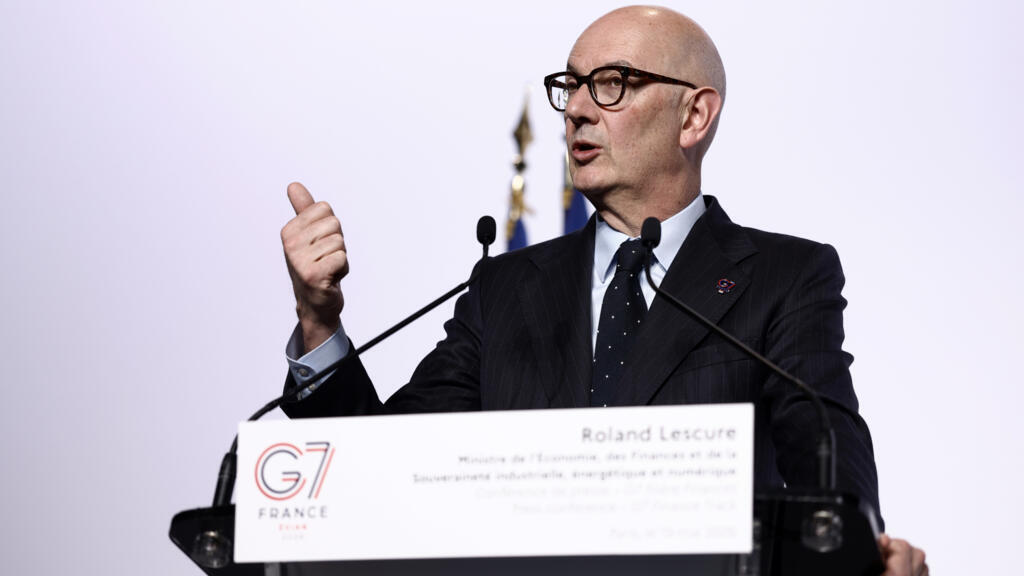
Finance ministers from the G7, a group of advanced economies, convened in Paris for two days of discussions, culminating in a statement that emphasized their unanimous agreement on the need to tackle global trade imbalances. This consensus reflects a growing recognition among these nations that addressing discrepancies in trade is crucial for fostering economic stability and cooperative international relations. The meeting highlighted the interconnectedness of global markets and the necessity for collaborative strategies to mitigate fluctuations and inequalities in trade dynamics.
The main topic of the G7 dialogue revolved around the persistent trade imbalances that have larger implications on the global economy. These imbalances, characterized by unequal trade flows between nations, can lead to economic tension and can adversely affect economic growth. The G7 ministers recognized that addressing these imbalances is not only vital for the health of their individual economies but also essential for the overall resilience of the global economy. By working together, the ministers aimed to come up with actionable items that could lead to more equitable trade practices, fostering growth and reducing reliance on any single economy.
Despite this unanimous agreement on trade, the discussions showcased underlying divisions among the G7 members regarding geopolitical issues, particularly regarding sanctions against Russia. The United States' recent decision to extend a waiver on sanctions against Russia, amidst ongoing geopolitical tensions exacerbated by the US-Israeli conflict over Iran, has introduced complexities into the G7's unified front. This move reflects differing approaches among G7 nations regarding how to handle international relations and economic sanctions, potentially creating friction within the group.
Furthermore, these divisions underscore the challenges facing the G7 as they attempt to present a cohesive strategy in the face of global economic pressures. As each member nation grapples with its own economic challenges and geopolitical stances, maintaining a united front in international discussions becomes increasingly difficult. The contrast between the G7’s commitment to addressing trade imbalances and the divergent approaches to sanctions and other geopolitical strategies exemplifies this tension.
In summary, while the G7 finance ministers made significant strides in recognizing the need to address global trade imbalances, the conference also illuminated the disparities in their approaches to geopolitical challenges. The extended waiver on Russia sanctions by the US highlights the complexities of fostering unity among advanced economies in the context of ongoing global conflicts. As the ministers continue to navigate these challenges, their ability to bridge differences and work collaboratively will be critical in shaping the future of global trade and economic stability.