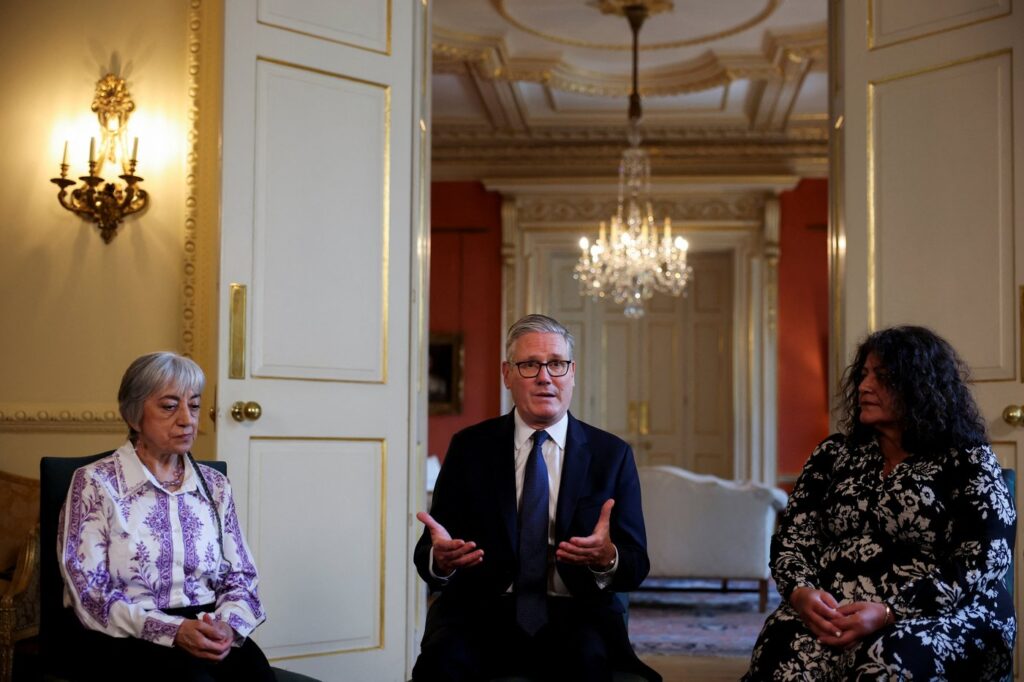
LONDON (AP) Prime Minister Keir Starmer delivered a formal apology on Thursday for the British state's historical role in separating tens of thousands of unmarried mothers from their babies. This practice, which lasted for decades until the 1970s, forced an estimated 185,000 babies of unmarried mothers to be adopted in England and Wales between 1949 and 1976. In his address to Parliament, Starmer emphasized that “we are deeply and profoundly sorry” for what he described as a “stain on our history.”
Campaigners have long fought for recognition of the coercive measures that led women to give up their babies—pressured, deceived, and threatened by societal and institutional norms. Starmer acknowledged that these women were “coerced, bullied or misled into feeling that they had no choice but to have their children taken away from them.” He articulated the profound psychological impact of this practice, stating that children grew up believing they were unwanted while mothers were told that “their babies would be better off without them.”
During his speech, Starmer expressed a heartfelt apology to all those affected, stating, “To each and every one of those affected, we say a deep and heartfelt sorry.” His remarks came during his final weeks as Britain's leader. As part of the apology, Starmer also announced new support measures, which include improved access to adoption records and mental health assistance for mothers and children impacted by these practices.
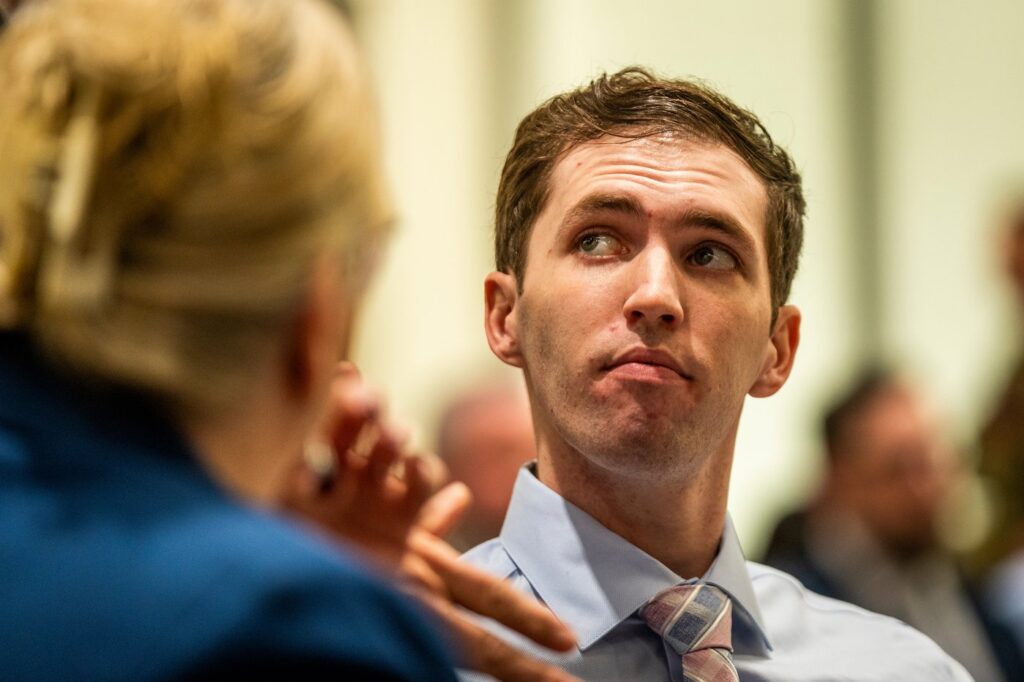
This apology marks a broader reckoning in Britain regarding the legacy of societal and institutional pressures that stigmatized unwed mothers. These women were often hidden away in institutions during their pregnancies and coerced into giving up their children to be raised by married couples. Following Starmer's speech, several lawmakers in the House of Commons shared emotional accounts of their experiences. Sarah Pochin of the opposition party Reform UK tearfully recounted her mother being pressured into giving up a baby for adoption, a secret carried to her grave.
Former health minister Ann Keen, whose baby was taken for adoption in 1966 when she was just 17, expressed that the apology was essential for her healing process. She stated, “We need this apology, because we have always been accused of giving up our babies, and we didn’t give them up.” In 2022, the Parliament's Joint Committee on Human Rights had recommended that the British state issue an apology for the suffering caused by coercive adoption practices.
In recent years, semiautonomous governments in Scotland and Wales have issued their own apologies, yet the Conservative U.K. government initially refrained from doing so, claiming that “the state did not actively support these practices.” However, Starmer refuted this notion, asserting that forced adoptions resulted from “practices embedded within systems” across local governments, religious institutions, and social care systems. He acknowledged that the state bears responsibility for legitimizing these damaging practices.
Starmer's Labour Party government issued this apology only two weeks after the Church of England formally expressed sorrow for its role in forced adoptions. Archbishop of Canterbury Sarah Mullally stated that the Church is “profoundly sorry for the pain, trauma, and stigma experienced… by many people because of historical adoption practices.”
This apology is part of a broader international movement to address the legacy of forced adoptions. Countries like the U.S. and Australia have also issued apologies for similar practices. In the United States, the post-World War II era known as the “Baby Scoop Era” saw over 1.5 million infants surrendered for adoption. Meanwhile, Australia’s former Prime Minister Julia Gillard issued a national apology in 2013 for the country’s history of forced adoptions, acknowledging the “lifelong legacy of pain and suffering” it created.
In Ireland, Prime Minister Micheál Martin has recognized the injustice inflicted upon mothers and their children in institutions run by the Catholic Church. The country continues to grapple with the revelations of its own mother-and-baby homes, where thousands of women were subjected to inhumane treatment and many children tragically lost their lives.