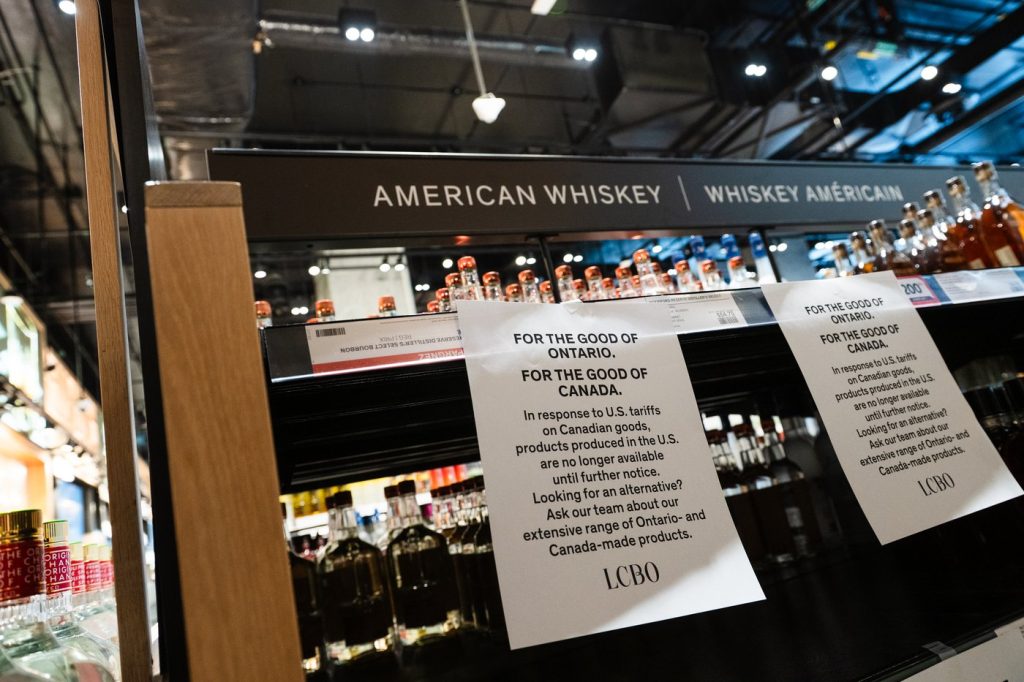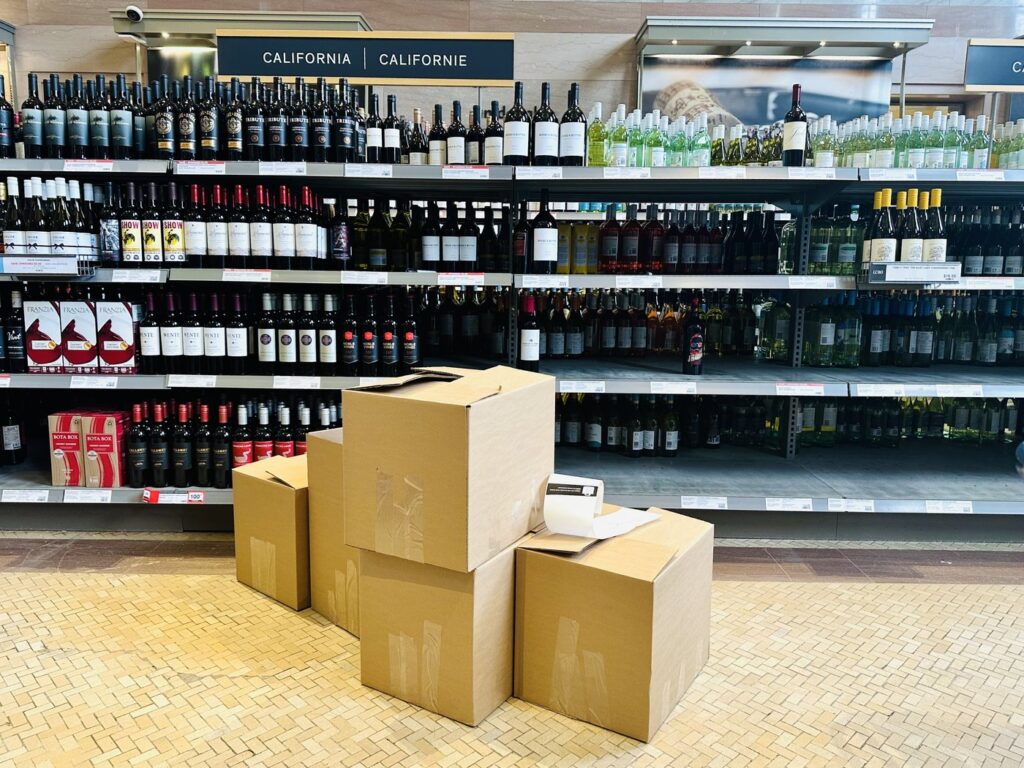
In Toronto, the ongoing trade negotiations between Canada and the United States have brought the ban on American alcoholic beverages into sharp focus. Since 2025, this ban has been in effect in the Liquor Control Board of Ontario (LCBO) and most other provinces as a measure against tariffs imposed by former President Donald Trump. However, some shoppers in Ontario are indicating that they may not resume purchasing American products, even if the ban is lifted.
Toronto resident Peter Olson expressed his disinterest in buying American alcohol if Premier Doug Ford decides to lift the restriction as part of negotiations aimed at averting additional U.S. tariffs on various Canadian industries, such as steel and auto manufacturing. “I’m not buying it... I haven’t really missed it, so I think it’ll be all right,” Olson stated outside an LCBO store. He noted that many Canadian consumers have replaced American products with local alternatives, suggesting that nothing from the U.S. is so exceptional that it would significantly alter their shopping habits.
During a recent meeting, Manitoba Premier Wab Kinew relayed that Prime Minister Mark Carney indicated to the premiers that a trade agreement would likely hinge on Canada agreeing to restock American alcohol on local shelves. Kinew articulated a strong stance against this move, urging Canadians to “leave it there” if American products return. Meanwhile, Ford has yet to make a definitive statement regarding his position but has previously indicated a willingness to consider reinstating American liquor if a “fair deal” can be achieved that offers protections to sectors affected by tariffs, particularly in Ontario.
Other provinces, such as Alberta and Saskatchewan, have already lifted their respective bans on U.S. alcohol. This adds another layer of complexity to the negotiations and public sentiment in Ontario. Marquita Stewart shared her firm opposition to the return of American products, stating, “We need to think about what the American president is doing to our country, and I have not a chance in the world that I’m going to support anything American.” Stewart emphasizes the importance of showing resistance to U.S. policies through consumer choices.
Shanna Nozdryn expressed a more nuanced view, indicating she would support maintaining the ban if it could facilitate “bigger change” in the negotiations. However, she confesses to missing certain American beverages, particularly bourbon, commenting, “You definitely can’t match the U.S. bourbon.” Her statement underscores the grappling of consumers between national pride and personal preference.
Newfoundland and Labrador Premier Tony Wakeham reported that during their discussions with Carney, a consensus was reached among the premiers to bring back American booze, although Ford has not confirmed this position. Meanwhile, other provincial leaders have remained tight-lipped about their discussions with the Prime Minister regarding trade negotiations, with officials from New Brunswick and Prince Edward Island opting to withhold comments until further details are made public.
In Toronto, another resident, Connor Gillet, reinforced the decision not to buy American alcohol should the ban be lifted. His reasoning stems not just from personal consumption habits but also from a broader commitment to boycott American products, particularly those associated with certain political causes. “I think it’s fine to diversify our reliance on American goods so they’re not the only suppliers for our food or alcohol,” he noted, indicating a desire for greater variety and resilience in local consumption.
Gillet believes that Premier Ford may continue resisting the return of American alcohol to Ontario shelves, reiterating that choosing not to purchase U.S. products is a matter of personal choice for many. “I feel like we’re not really missing out,” he concluded, reflecting a sentiment shared by various Ontarians who feel content with Canadian alternatives.