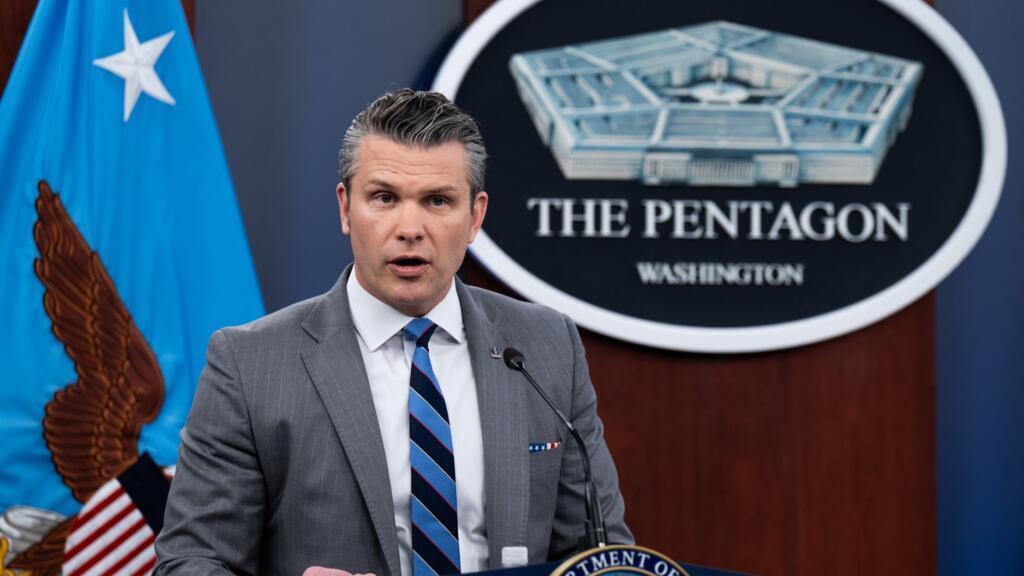
The Pentagon announced on Tuesday that it would reduce the number of US Brigade Combat Teams stationed in Europe from four to three. This decision returns troop levels to those seen in 2021 and reflects a broader strategy by Washington to encourage European allies to take on greater responsibility for regional defense.
This troop reduction indicates a shift in the US military presence in Europe, which has been a point of focus since the onset of heightened tensions in the region. The move signals a desire from the United States to reassess its commitments in Europe, while urging NATO allies to enhance their own defense capabilities. The Pentagon’s decision comes as part of an ongoing effort to balance military readiness with fiscal responsibility.
According to officials, this cutback will temporarily delay the deployment of additional US forces to Poland. This is particularly noteworthy as Poland has been seeking to bolster its military presence in response to regional security threats, particularly given the context of ongoing tensions with Russia. The US has traditionally played a significant role in supporting Poland and other Eastern European nations in their defense initiatives.
The reduction of Brigade Combat Teams might reflect the US’s strategic reassessment, especially after the military mobilization of various forces throughout Europe in response to the Ukraine conflict. This change may lead to increased discussions among NATO allies regarding the collective defense initiatives and encourage member nations to enhance military readiness independently.
As the US reduces its troop presence, European allies are expected to adapt and potentially increase their contributions to collective defense strategies. This could shift more of the defense burden onto member nations, each of which has varying capabilities and levels of investment in their military forces. The decision by the Pentagon can be interpreted as both a reduction in direct US military involvement and an encouragement for European partners to prioritize their security matters.
The implications of this move may resonate throughout NATO as member countries reassess their defense strategies in light of reduced US military assistance. Enhancing indigenous military capabilities may become a focal point for discussions during upcoming NATO meetings, particularly regarding regional security frameworks and deterrence strategies aimed at addressing potential threats from adversarial nations.
Furthermore, this reduction highlights a critical test for NATO unity as member states navigate the complexities of collective security arrangements. Countries in Eastern Europe, such as Poland and the Baltic states, may feel compelled to reassess their strategic partnerships and defense postures in light of a diminished US presence, while also seeking increased military collaboration within the European context.
Overall, the Pentagon's announcement on troop reductions emphasizes a strategic realignment in US military policy concerning Europe, urging deeper involvement of European allies in their self-defense mechanisms. This evolution in military presence serves as a pivotal point in NATO's operational framework, where member states are encouraged to take the initiative in safeguarding their territories while ensuring the transatlantic alliance remains resilient amid changing global dynamics.