EU Reaches Agreement on Trade Pact with the United States
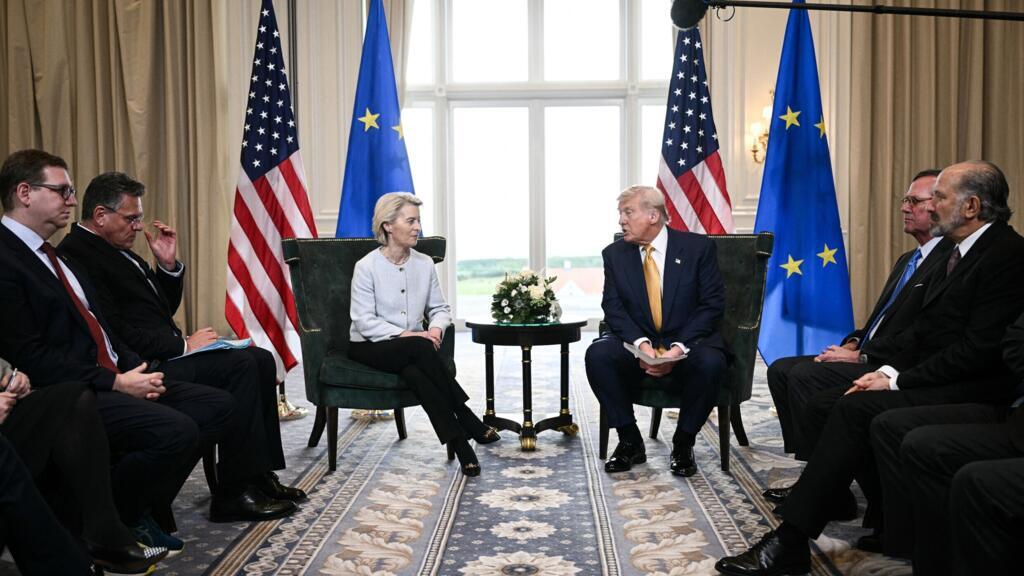
European Union lawmakers, alongside member states, successfully reached a significant agreement early on Wednesday regarding the bloc's trade pact with the United States. This crucial development comes after months of intense negotiations and discussions within the EU. The pact has been a contentious topic, especially with looming threats from former President Donald Trump, who indicated that new tariffs could be imposed unless the agreement was finalized by July 4.
The negotiations culminated in a compromise that followed a series of late-night discussions involving representatives from various EU capitals and Parliament negotiators. These talks were critical in paving the way for a consensus on the trade deal and reflected the urgent need to address the concerns raised by the U.S. administration regarding international trade relations.
The trade pact aims to enhance economic ties between the EU and the U.S., focusing on reducing tariffs and regulatory barriers, thus promoting cross-border trade. By fostering cooperation, the agreement seeks to bolster economic growth and create new opportunities for businesses in both regions. Additionally, it addresses various key sectors, including agriculture, technology, and manufacturing, which are vital to the economies of both the EU and the United States.
One of the primary objectives of this agreement is to provide a stable and predictable trading environment that encourages investment and innovation. The EU has expressed its commitment to aligning its regulations with those of the U.S., making it easier for companies to operate across the Atlantic. This harmonization of standards is expected to benefit consumers, as it could lead to lower prices and an increased variety of products available in the market.
Furthermore, the agreement is seen as a necessary step in countering rising protectionist sentiments that have been gaining traction in various countries. By strengthening transatlantic ties, the EU hopes to create a united front against global trade tensions and foster a fairer trading system that benefits all parties involved.
The discussions leading up to this agreement were marked by considerable pressure from various stakeholders, including business leaders and policymakers, who urged for a swift resolution to avoid further complications in international trade. The looming deadline set by Donald Trump added urgency to the negotiations, as many feared that failure to reach a consensus could result in economic consequences for both the EU and the U.S.
As the deal is set to be implemented, it will undergo necessary ratification processes within member states and the European Parliament. Lawmakers will be tasked with scrutinizing the fine print of the agreement to ensure it aligns with EU standards and regulations. This process is crucial to uphold the integrity of EU policies and ensure that member states are unified in their approach to this trade pact.
In conclusion, the successful agreement between EU lawmakers and member states to implement the trade pact with the United States marks a pivotal moment in transatlantic relations. It signifies the EU's resolve to navigate complex trade challenges while fostering economic growth and cooperation with one of its largest trading partners. As this agreement moves forward, stakeholders will closely monitor its implications on international trade dynamics and the broader economic landscape.