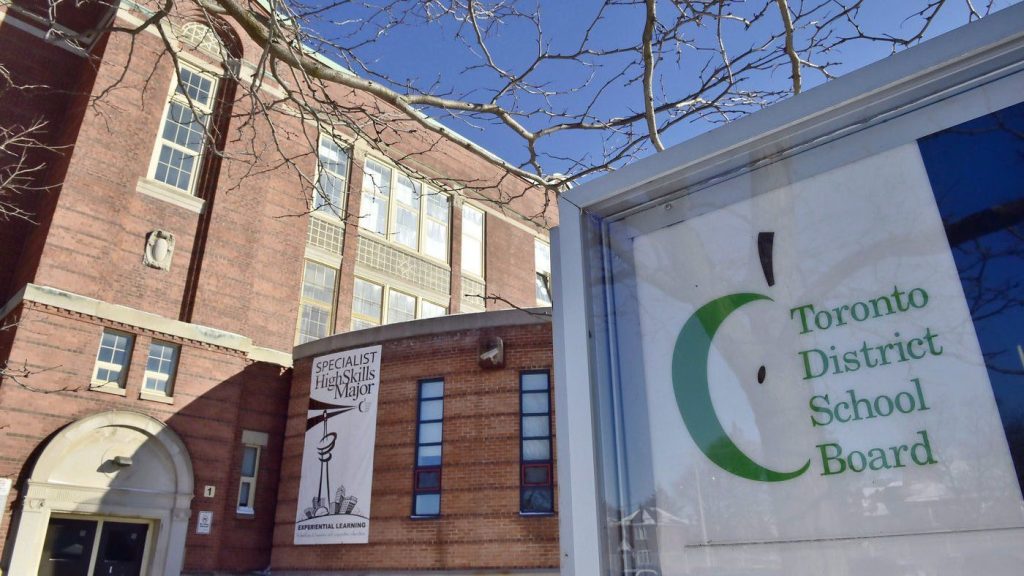
Despite being under provincial supervision due to alleged financial mismanagement, the Toronto District School Board (TDSB) is forecasting a deficit of $15 million for the 2026-2027 school year. This comes in the wake of a preliminary deficit projection of nearly $75 million, although the TDSB has managed to identify supervisor savings of $59.5 million. These savings have primarily been realized through previously announced reductions in central staffing and discretionary expenses.
The TDSB claims that these savings are indicative of significant progress in achieving long-term financial sustainability for the Board. The organization is currently among eight school boards that are under the oversight of provincially appointed supervisors due to what the Ford government has labeled as financial mismanagement, unsustainable deficits, and an inability to implement effective cost-saving measures.
Interestingly, the budget report highlights that despite an anticipated decline of approximately 5,000 students for the upcoming school year, the TDSB plans to enhance direct teaching support focused on math and literacy. Furthermore, it intends to maintain school-based staffing levels specifically in the areas of Special Education and Mental Health, emphasizing its commitment to educational quality amidst financial challenges.
In a similar vein, the Toronto Catholic District School Board (TCDSB) is also grappling with financial difficulties. It is projecting a deficit of almost $40 million for the next school year, though this figure represents a decrease from an initial projection of around $65.3 million. This new projection is nearly equivalent to the $39.6 million deficit recorded in the 2025-2026 school year, suggesting persistent financial strain within the board.
The TCDSB's budget report indicates that savings of nearly $26 million have been realized through decisions made by supervisors and various cost-saving measures. These measures include cuts to the international languages program, administrative reductions, and proactive management of vacancies and attrition. These steps are seen as necessary to address the ongoing financial challenges the board faces.
Looking ahead, the TCDSB anticipates a further decline of almost 1,500 students in the upcoming year, as well as in subsequent years. The board attributes part of this decline in projected revenue to demographic shifts, which are resulting in declining enrollment. Additionally, reduced funding for English as a Second Language (ESL) programs, linked to a drop in newcomers to Canada, and lower international education revenues are also contributing factors affecting the board’s financial outlook.
Both the TDSB and TCDSB are currently navigating complex financial landscapes characterized by declining student numbers and increasing deficits. As they work under the scrutiny of provincial supervisors, both boards are implementing measures aimed at improving fiscal responsibility while attempting to maintain educational standards for their students.