JDEIDEH, Lebanon (AP) — Rev. Maroun Ghafari's Holy Week took a tragic turn this year as he found himself preaching from a Beirut suburb instead of his predominantly Christian village of Alma al-Shaab, located near the Israel-Lebanon border. The ongoing conflict has compelled him to deliver Easter sermons next to a cardboard cutout of his church, which is now caught in the crossfire between Israeli forces and Hezbollah fighters.
Since hostilities escalated last month, the death toll in Lebanon has surged to over 1,400, with more than 1 million people displaced from their homes. The fighting is fueled by the Iranian-backed Hezbollah militant group and is further complicated by the influence of the broader U.S.-Israeli war on Iran. The impact of this violence has been particularly profound within the Christian community in Lebanon, which constitutes about a third of the country's population of approximately 5.5 million people. Lebanon boasts the highest proportion of Christians in the Arab world and is home to 12 different Christian sects.
Even from a distance, the sounds of war resonate through the air, as the deep rumbling of Israeli jets and the deadly airstrikes can be heard over Beirut’s southern suburbs. Many Christian villagers who chose to remain in southern Lebanon have become entrenched in enclaves surrounded by fierce fighting, despite Israel's evacuation warnings. The residents of Alma al-Shaab had been uprooted before during the 2024 Israel-Hezbollah war, yet this time they remained steadfast in their resolve to stay in their homes.
As the situation intensified, villagers huddled in their church for protection while Israeli warplanes targeted various areas across southern and eastern Lebanon. Rev. Maroun Ghafari's brother, Sami Ghafari, tragically became a victim of the violence, falling to an Israeli drone strike while tending his garden on March 8. His death galvanized the remaining villagers to leave Alma al-Shaab. The U.N. peacekeeping force, known as UNIFIL, facilitated their evacuation to the northern suburbs of Beirut, which has become a temporary refuge for many displaced individuals seeking solace and community.
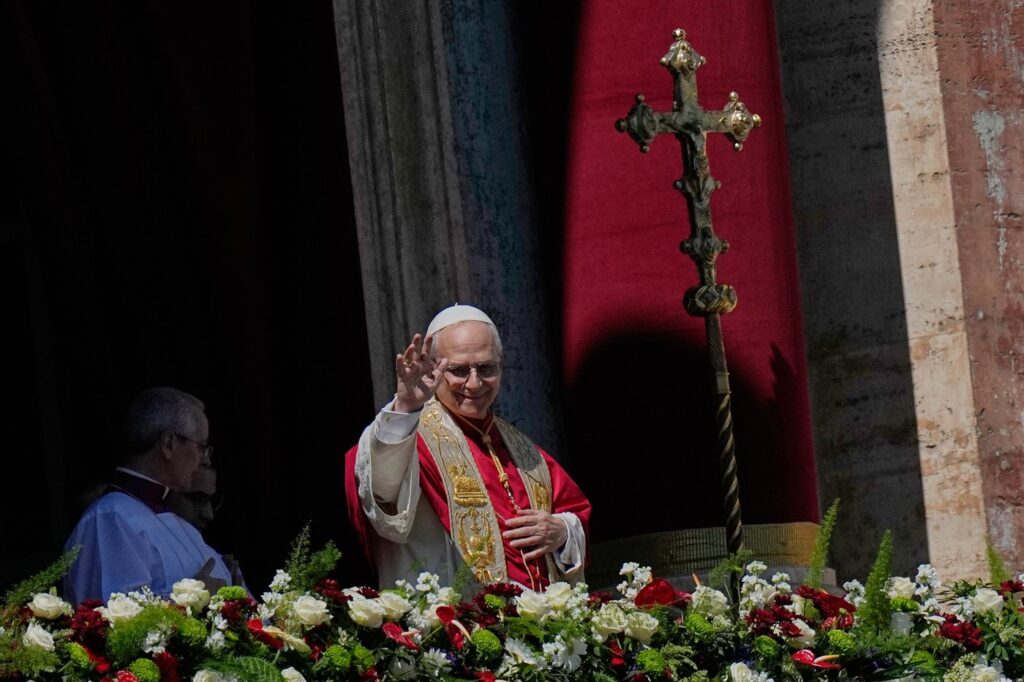
On Easter, Patriarch Beshara al-Rai of the Maronite Church condemned both Hezbollah and Israel for exacerbating the suffering in Lebanon. “Our hearts bleed for the victims of the conflict imposed on Lebanon,” he stated, reflecting the shared anguish felt by many during this turbulent time. Within the displaced community, feelings of nostalgia and heartbreak have surfaced, particularly among those who reminisced about their homes, traditions, and the sound of churches ringing in Alma al-Shaab.
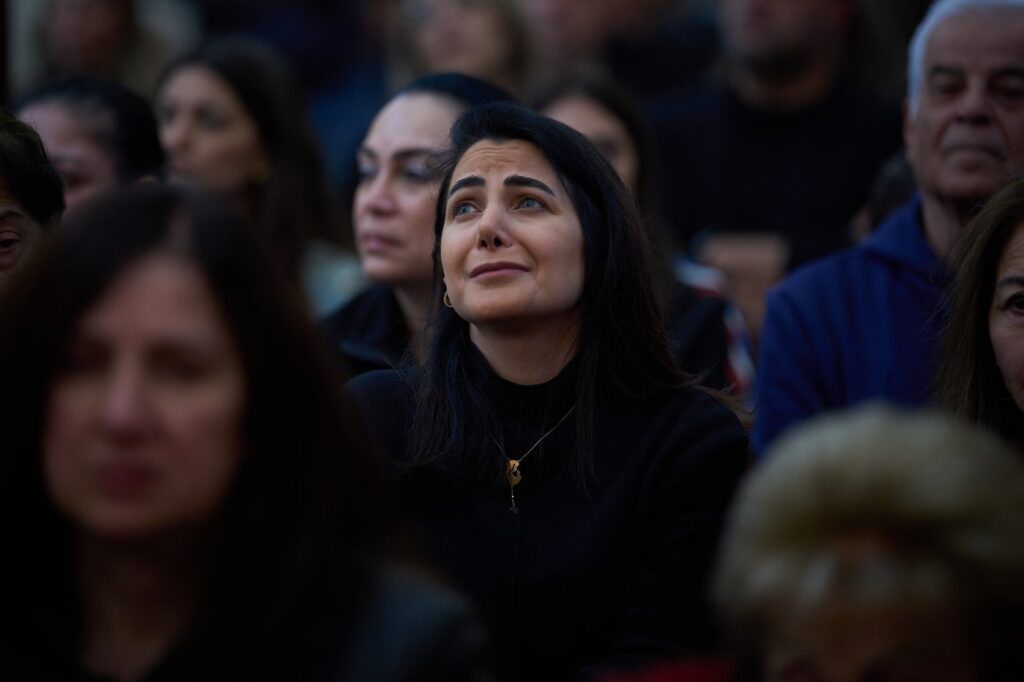
Nabila Farah, who was among the last to leave her village, expressed her sorrow, stating, “You miss the smell of home, the lovely traditions and customs.” Despite experiencing the Easter atmosphere in Beirut, she acknowledged it could never compare to the richness of her village celebrations. Meanwhile, clergy like Marius Khairallah in Tyre emphasize the communal aspect of remaining in the area, associating their presence with a sense of mission and witness, even as many parishioners have fled or are absent.
Concerns are growing among Christians in southern Lebanon, especially as the Lebanese army's neutrality regarding the Israel-Hezbollah conflict leaves them vulnerable to further incursions. With dwindling supplies and dire humanitarian conditions, aid efforts are hampered; a convoy meant to deliver supplies led by the Vatican was canceled due to security concerns. Rev. Dori Fayyad at St. Anthony’s Church remarked that the current challenges underline a deeper understanding of suffering among the community, as they reflect on the meaning of the cross in their lived experiences.
As war continues to unfold, Christian villagers in Lebanon face uncertainty and upheaval during what is traditionally a time of hope and resurrection. The specter of violence looms large, casting shadow over their faith and future, while they strive to hold onto their identity amid ongoing devastation.