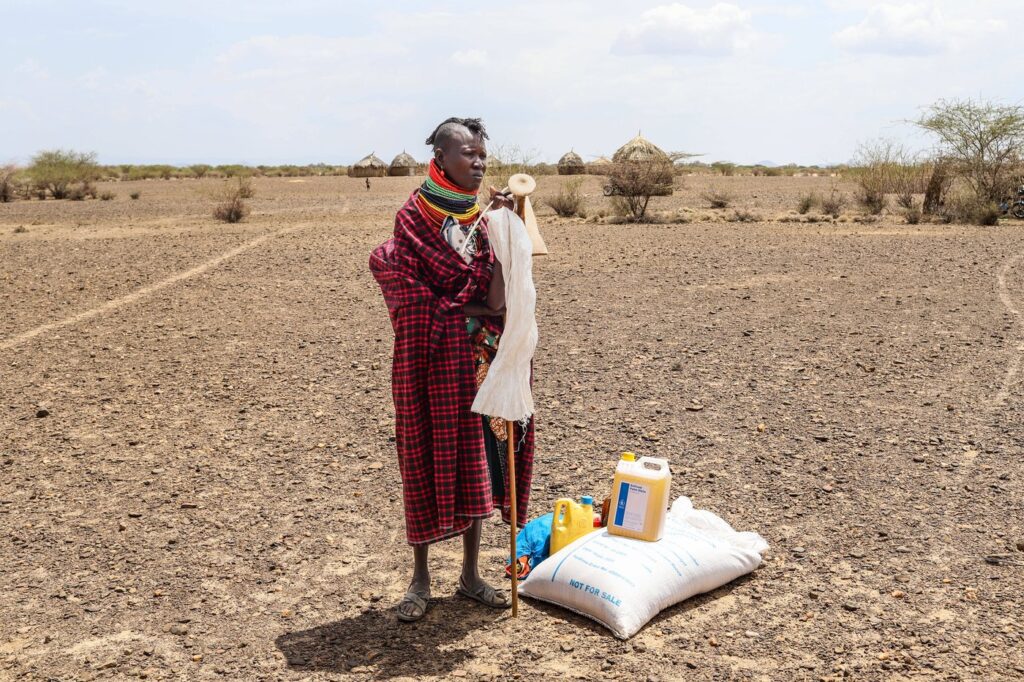
TEL AVIV, Israel (AP) — Aid organizations are raising alarms about the severe impact of ongoing conflicts in the Middle East on their efforts to deliver food and medicine to millions of individuals worldwide. The violent upheaval has disrupted vital shipping routes, contributing to a global energy crisis and complicating supply chains for humanitarian aid agencies, which are now forced to rely on more expensive and time-consuming transport methods.
Key transport routes such as the Strait of Hormuz have effectively been closed, affecting strategic hubs like Dubai, Doha, and Abu Dhabi. As a result, transport costs have surged due to increased fuel prices and higher insurance rates, limiting the number of supplies that can be dispatched under the same budget. The World Food Program reports that tens of thousands of metric tons of food are currently delayed in transit, while organizations like the International Rescue Committee are struggling to deliver essential pharmaceuticals to areas in dire need, such as $130,000 worth of medications meant for Sudan that are stuck in Dubai.
The United Nations highlights that this disruption constitutes the most significant supply chain challenge since the COVID-19 pandemic, estimating that shipment costs have risen by up to 20%. This conflict is also giving rise to new humanitarian emergencies, particularly in Iran and Lebanon, where at least one million individuals have been displaced. Madiha Raza, associate director for public affairs and communications for Africa at the International Rescue Committee, expressed concern that ongoing disruptions in the Strait of Hormuz could push humanitarian operations to their breaking point.
Even in the event of a ceasefire, the shocks to global supply chains could result in prolonged delays for critical aid, according to experts. Organizations are now making significant adjustments to their logistics, circumventing traditional routes like the Suez Canal and taking longer paths around Africa that can add weeks to delivery times. For instance, UNICEF has modified its methods for transporting vaccines to countries such as Nigeria and Iran, combining land and air routes which have increased delivery costs by 20% and extended transit times by 10 days. Similarly, Save the Children International has shifted from ocean freight to trucking goods through Saudi Arabia and using barges across the Red Sea to reach Sudan, leading to a 25% rise in costs at a time when millions of Sudanese face acute food shortages.
The financial strain of heightened transport costs is forcing humanitarian organizations to prioritize which needs they can meet. Janti Soeripto, president of Save the Children in the United States, noted that organizations have to choose between serving fewer children or reducing the quality and quantity of available supplies. The rising costs are also making it difficult for individuals within affected regions to access aid. In Somalia, for instance, Doctors Without Borders reported that soaring fuel prices have made it harder for people to obtain necessary medical care.
One of the most pressing issues is the potential escalation of global hunger. The World Food Program warns that if current conflicts persist, an additional 45 million individuals may experience acute hunger by June 2024. With approximately 30% of the world's fertilizer imported via the Strait of Hormuz, the conflict threatens agricultural sectors in regions like East Africa and South Asia, where planting seasons are imminent. Countries such as Sudan and Kenya heavily depend on fertilizers imported from the Gulf, making them particularly vulnerable to supply disruptions.
In response, the U.N. secretary-general has established a task force to facilitate fertilizer trade, resembling the Black Sea Grain Initiative. However, humanitarian groups argue that without a ceasefire, additional governmental funding is crucial to address the mounting costs associated with the crisis. Experts note a slower international response in funding aid compared to past conflicts, which may reflect a growing inclination to prioritize security over humanitarian assistance amid global turmoil. Sam Vigersky from the Council on Foreign Relations pointed out that U.S. policies usually include provisions for aid during military actions, but these provisions have not been activated for the current conflict.
In light of these challenges, Tommy Pigott, principal deputy spokesperson for the U.S. State Department, reaffirmed the U.S.'s commitment to humanitarian efforts, announcing an additional $50 million in emergency assistance for Lebanon, including contributions to the World Food Program and collaboration with the U.N. and other organizations to meet pressing humanitarian needs.