TEHRAN, Iran (AP) — On Sunday, U.S. President Donald Trump issued expletive-laden threats towards Iran, warning that if the country does not open the Strait of Hormuz by his Tuesday deadline, it would face destruction of its infrastructure. This statement came after American forces successfully rescued a wounded aviator whose F-15E Strike Eagle was shot down over Iranian territory, marking a significant event in the ongoing conflict.
In response to Trump's threats, Iran retaliated by targeting infrastructure in neighboring Gulf Arab nations and hinted at potentially closing another strategic maritime route, the Bab el-Mandeb Strait, which is vital for global oil trade.
Trump's social media posts conveyed a clear warning that Iran would be "living in Hell" if it did not comply with his demands regarding the Strait of Hormuz, which is critical for international oil shipments. He emphasized that Iran's power plants and bridges would be struck if the situation does not improve. In an unusual twist, he concluded his threatening message with "Praise be to Allah."
Despite a history of issuing similar ultimatums, Trump has previously extended deadlines when he believed progress was being made in negotiations, a tactic that could influence global markets and fuel prices, which have surged since the conflict escalated. Iranian Culture Minister Sayed Reza Salihi-Amiri remarked that Trump's unpredictable behavior poses challenges in understanding his strategy.
Both nations have engaged in attacks on civilian infrastructure, which has raised concerns regarding potential war crimes as defined under international law. The laws of armed conflict stipulate that such attacks are only permissible if the military advantage outweighs civilian harm, a significant threshold that is difficult to meet.
The recent U.S. military operation involved an intense search for the downed F-15E and resulted in the rescue of two crew members. Trump praised the bravery of the service member, highlighting the complexity and danger of the operation, which utilized numerous armed aircraft. A U.S. official indicated that the CIA created confusion among Iranian forces by spreading misinformation during the rescue.
In an unsettling development, Iran downed an additional U.S. military plane on the same day, demonstrating its capability to retaliate against American bombings despite its own diminished military state. Iranian state television claimed to have video evidence of U.S. aircraft being shot down, although U.S. sources indicated that two transport planes were destroyed due to a malfunction during the chaotic rescue mission.
Amid the rising tensions, diplomatic efforts are ongoing. Trump’s deadline centers on the matter of Iran's control over the Strait of Hormuz, which is essential for global oil and humanitarian supplies. An Iranian spokesperson indicated that Iran would only consider reopening the strait if compensated for war damages incurred.
Meanwhile, additional threats from Iranian officials suggested potential disruptions to trade in the Bab el-Mandeb Strait. Diplomatic dialogue is taking place, with Oman mediating discussions to ensure safe transit through the crucial waterway.
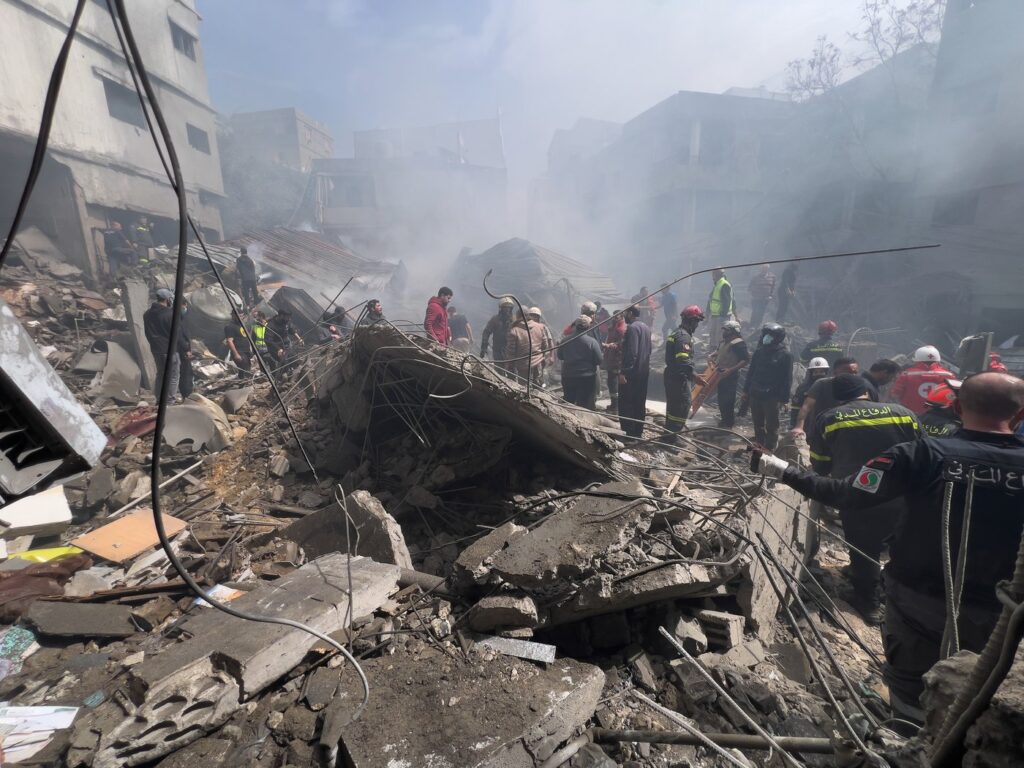
The situation continued to escalate with airstrikes reported in Iran, resulting in numerous casualties. An early Monday airstrike allegedly killed at least 13 individuals in a residential area near Tehran and caused significant damage to educational institutions. The targeted strikes in Qom also resulted in multiple deaths and injuries.
Furthermore, the conflict has inflicted heavy casualties on both sides, with increasing death tolls reported in Iran, Lebanon, and other regions affected by the fighting. More than 1,900 people are estimated to have died in Iran since the onset of this conflict, while casualties among Israeli and U.S. forces also continue to rise.