Toronto's largest food bank, the Daily Bread Food Bank, is currently facing a multitude of challenges exacerbated by the ongoing war in Iran, which has significantly increased the cost of providing food to the many food-insecure residents of Toronto. Neil Hetherington, the CEO of Daily Bread, stated that food bank visits have surged since the onset of the COVID-19 pandemic, and rising gas prices have further complicated their mission to feed the community. He mentioned that the cost to fill up delivery trucks has risen by 50 cents per litre, an additional financial strain on the food bank's operations.
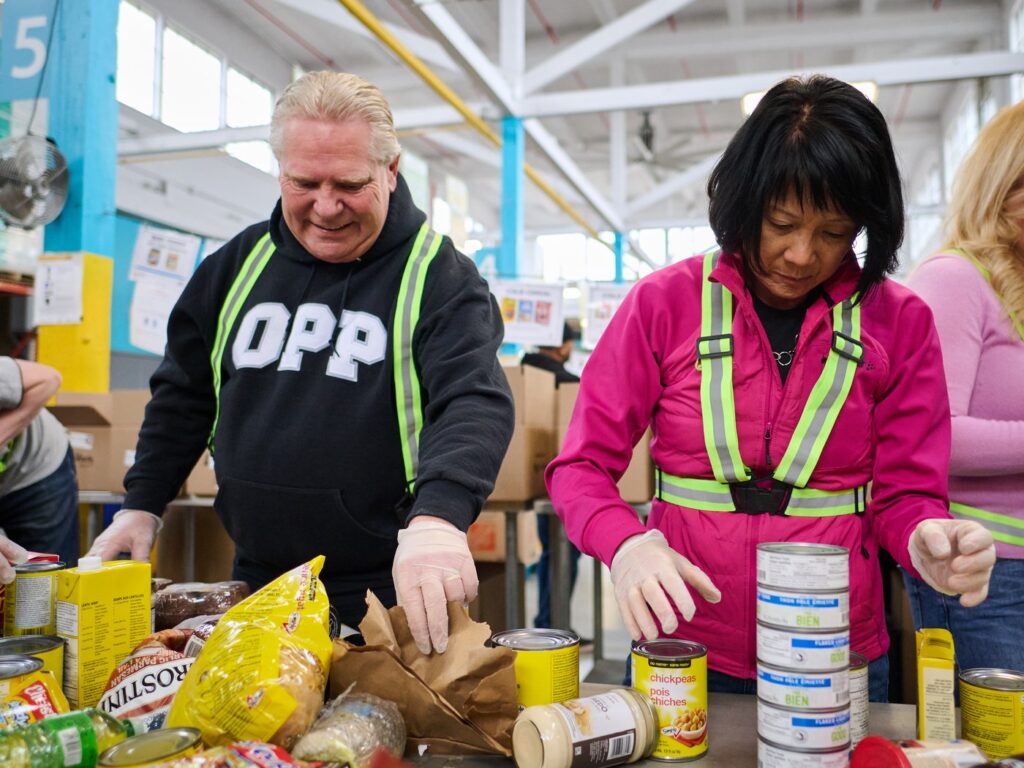
Hetherington expressed concern as food prices continue to climb, coinciding with record levels of food bank usage. He noted in a volunteer event held at their headquarters, over one hundred individuals, including Premier Doug Ford and Toronto Mayor Olivia Chow, came together to sort through large donations for distribution to various food programs in their network. Ford addressed the gathering, commending volunteers for their support and emphasizing his government's commitment to creating well-paying jobs in Ontario to help combat food insecurity. However, troublingly, some individuals still find it necessary to rely on food banks, despite being employed.
Augustina Michael, a Daily Bread employee, highlighted this issue, stating she uses the food bank about once a month to afford fresh produce, despite earning above minimum wage. She explained that even with a job, her income is insufficient. Monthly expenses such as rent, phone bills, and transportation consume her earnings, leaving her with little remaining for food, showcasing the ongoing struggles faced by many employed individuals.
Since the start of the year, Daily Bread has recorded over 920,000 visits to its member food banks, surpassing the number of visits during the same period last year. Hetherington pointed out the broader economic impact of rising gas prices, predicting that food costs will continue to increase as both urban workers and rural food producers are affected. The conflict in the Middle East has also had a direct effect on their operations; in a striking example, a vessel carrying a rice shipment for Daily Bread was struck near Iran, delaying crucial food supplies.
Hetherington characterized the series of challenges the food bank is facing as "hit after hit," noting the combination of escalating rent prices and stagnant incomes not keeping pace with the cost of living. Pre-pandemic, the monthly visits to the food bank averaged around 60,000, but last month, that number soared to 330,000, illustrating the dramatic rise in demand for services.
To cope with this increased demand, Daily Bread has intensified its fundraising activities, relying significantly on the generosity of private donors. Their latest annual report reveals that approximately 46 percent of food bank users are either employed or live with someone who is working. Hetherington emphasized that, despite the recent pressures stemming from the situation in Iran, a fundamental long-term solution to the rising food bank usage in Ontario lies in government initiatives aimed at improving affordable housing, as many clients are spending up to 100 percent of their income on housing alone.