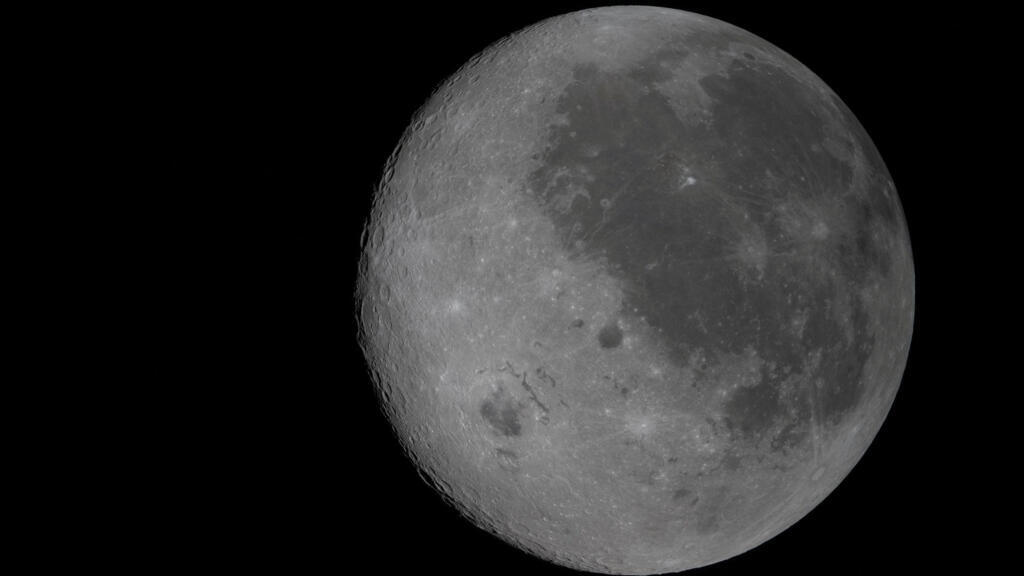
NASA's Artemis II Astronauts Break Apollo 13 Distance Record
NASA's Artemis II mission has seen its crew accomplish a remarkable feat by traveling further from Earth than any human has ever gone. The astronauts not only ventured into deep space but also surpassed the previous record set by Apollo 13. This historic mission reaffirms humanity's continuous exploration of the Moon and beyond. As the crew navigated the challenges that come with such audacious undertakings, their dedication to science and exploration has inspired a new generation.
After the spacecraft traveled around the far side of the Moon, the mission control faced a significant 40-minute blackout period where communication with the astronauts was interrupted. During this time, the crew was orbiting the Moon, experiencing the immense gravitational pull of the celestial body. Consequently, they were cut off from Earth, leading to palpable tension among mission control staff as they awaited the restoration of contact with the crew aboard the Orion spacecraft.
Upon regaining communications, the relief in mission control was discernible. The astronauts expressed their feelings of joy and reassurance as they were able to reconnect with their team on Earth. The successful reestablishment of communication signified not only a technical triumph but also an emotional moment for both the crew and the thousands of engineers, scientists, and support staff involved in the mission. The moment embodies the spirit of teamwork and tenacity that is synonymous with space exploration.
The Artemis II mission aims to pave the way for sustainable human exploration of the Moon, laying the groundwork for future missions that may include crewed travel to Mars. The Artemis program is designed with long-term goals in mind, including establishing a presence on the lunar surface and performing in-depth studies that would contribute to our understanding of the Moon's resources and potential habitation.
The observations made by the Artemis II astronauts as they traveled this unprecedented distance have immense scientific value. Their findings can help support future lunar missions, improve technologies, and enhance our understanding of the Moon's geology and environment. Through their expertise and the advanced systems aboard the Orion spacecraft, the crew is providing critical data that will influence not just lunar exploration but also future interplanetary travel.
As the Artemis II mission continues, the achievements of these astronauts mark a significant milestone in the history of space exploration. Their success serves as a testament to human resilience, innovation, and the spirit of discovery that drives NASA’s objectives. The endeavor represents not just a leap in distance traveled, but a leap toward a future where humanity can inhabit other celestial bodies, unlocking new frontiers and opportunities for generations to come.