EDITOR'S NOTE, April 20, 2026: This article contains information for the U.S. In Toronto, plastic bags CAN be put in the recycling bin. See details here.
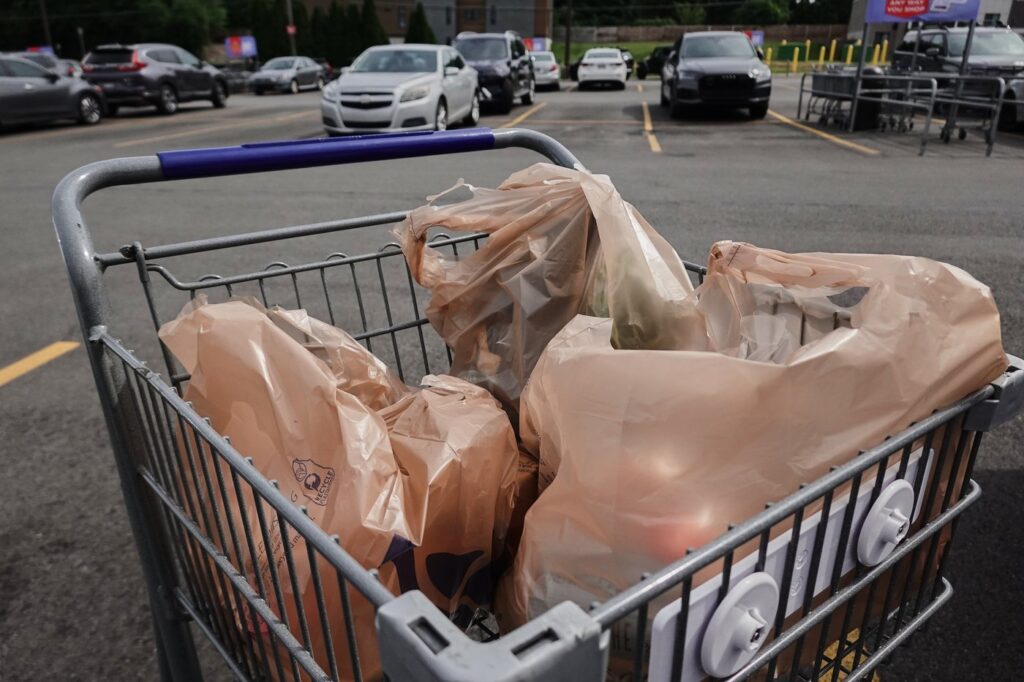
NEW YORK (AP) — The prevalence of soft, stretchy plastics such as grocery bags, bubble wrap, and other similar items poses significant challenges in waste management. These materials are difficult to avoid in daily life, and their proper disposal can be particularly problematic.
When disposed of in landfills, plastic bags can take hundreds of years to degrade and may release harmful microplastics into the environment. In 2018, over 3 million tons (2.7 metric tons) of plastic bags, sacks, and wraps from the United States ended up in landfills, as reported by the Environmental Protection Agency.
When grocery bags are placed in curbside recycling bins, they also pose a significant risk to recycling operations. According to Delaware-based chemical engineer Erha Andini, these plastics often clog recycling equipment, complicating the recycling process.
The management of soft plastics is increasingly vital, particularly as negotiations for a global plastic treaty have stalled, with the U.S. and other oil-producing nations resisting limits on plastic production. Soft plastics, known as plastic films, require specific disposal methods, which can vary by location.
Identifying plastic films can assist in proper disposal. These items typically include bread bags, cereal bags, and overwrap for bulk items. Experts suggest looking for the recycling symbol featuring a number inside it. Most plastic films are marked with the numbers two or four, indicating high or low-density polyethylene. These can often be dropped off for recycling at designated local grocery or convenience stores.
For items lacking these numbers, the composition may involve multiple types of plastics layered together. For example, the plastic wrap used for meats can comprise five or more film layers, making recycling more complex. The practice of "wishcycling," or putting non-recyclable plastics into recycling bins in hopes they will be recycled, can further hinder effective processing.
It is crucial to avoid placing plastic bags in regular household recycling bins. Instead, individuals should use designated drop-off bins located at grocery or convenience stores. These bags are then sent to recyclers who convert them into new products, such as materials for outdoor furniture. Trex, a company that makes outdoor decking from recycled plastics, provides a locator service online for finding local drop-off points by zip code.
Before dropping off plastic films, ensure they are clean and free of food residue, as contaminated films are not suitable for recycling and should be disposed of in the trash. Additionally, unnecessary items such as receipts should be removed from plastic bags prior to recycling.
Some grocery stores have discontinued in-store drop-off programs due to concerns that stretchy plastics might end up in landfills instead of being recycled. However, other local organizations may still accept donations of plastic films. For instance, the NOVA Creative Reuse Center in Virginia repurposes bubble wrap for artwork, while Precious Plastic NYC melts down plastics to create new products. Online tutorials can also guide individuals in repurposing plastic bags into items like yarn for crocheting new bags.
To minimize reliance on plastic films, consumers are encouraged to adopt reusable bags and avoid single-use plastic packaging where feasible. While plastic wrap plays an essential role in food safety by preserving freshness, shoppers can make small changes, such as opting for loose produce instead of pre-wrapped items. Additionally, seeking out local and secondhand purchasing opportunities can further reduce exposure to plastic packaging.
Reuse of existing plastic bags can also extend their life cycle. Using plastic bags for multiple shopping trips, bathroom trash cans, or for carrying wet clothes from the beach can delay their entry into waste management systems. Although some bags may still ultimately end up in landfills, making small changes and thoughtful decisions can collectively contribute to broader waste reduction efforts.