WASHINGTON (AP) — President Donald Trump and Secretary of State Marco Rubio have once again suggested the possibility of U.S. military intervention in Cuba. This renewed threat comes shortly after the announcement of criminal charges against the island’s former leader, Raúl Castro.
During an environmental event at the Oval Office, Trump stated that previous U.S. presidents have contemplated intervening in Cuba for decades, remarking, "It looks like I’ll be the one that does it. So, I would be happy to do it." His comments reflect a hardening stance toward Cuba amid increasing tensions.
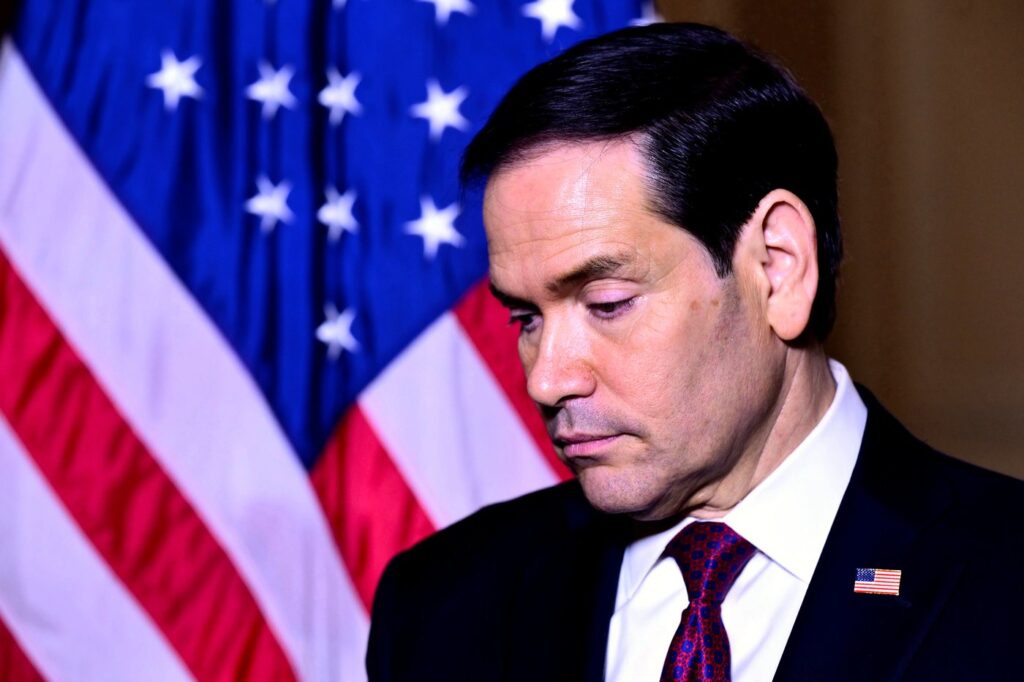
Secretary of State Marco Rubio echoed Trump’s sentiments, labeling Cuba a national security threat due to its connections with U.S. adversaries. While Rubio emphasized a preference for a peaceful resolution with Cuba, he acknowledged that achieving a diplomatic agreement seems unlikely given the current regime's uncooperative nature.
Rubio has long held a hard-line stance against Cuba’s socialist leadership, and he articulated his concerns while addressing reporters in Miami. He expressed frustration over Cuba’s historical pattern of "buying time" during negotiations, declaring that the U.S. would not allow such tactics to continue. He underscored the seriousness and focus of the Trump administration on this issue.
On the issue of military action, Rubio reiterated that while a diplomatic solution is preferred, the president retains the option to take necessary measures to protect U.S. national interests. He dismissed a reporter's suggestion that this posture could be construed as "nation-building," clarifying that this is a matter of addressing a national security risk.
The indictment against Raúl Castro has been interpreted by many as part of a broader strategy by the Trump administration, reminiscent of its approach to Venezuelan President Nicolás Maduro. The federal charges against Castro relate to a 1996 incident involving the shootdown of civilian planes, resulting in accusations of murder and destruction of an airplane.
The announcement of these charges coincided with the arrival of the USS Nimitz aircraft carrier and accompanying naval ships in the Caribbean Sea, indicating a show of military presence. U.S. Southern Command stated that the ships are participating in maritime exercises that started in March, which further escalates the backdrop of U.S. military operations in the region.
In recent weeks, the Trump administration has implemented harsh sanctions against Cuba, including significant penalties against Grupo de Administración Empresarial S.A., a business entity linked to the Cuban Revolutionary Armed Forces. Rubio announced additional measures, including the arrest of a U.S.-based sister of a GAESA executive, as part of the government's crackdown on individuals tied to the Cuban military.
As a result of these developments, Trump has intensified his rhetoric regarding regime change in Cuba, asserting intentions to enforce significant political and economic shifts on the island. In a recent statement, Rubio characterized Cuba's ties with China, Russia, and other foes in Latin America as a serious national security challenge for the United States.
In response, China has openly opposed U.S. sanctions and pressure tactics against Cuba, asserting its support for Cuba’s sovereignty. A spokesperson for the Chinese Foreign Ministry emphasized that China stands against external meddling in Cuban affairs, highlighting the geopolitical complexities surrounding the U.S.-Cuba relationship.