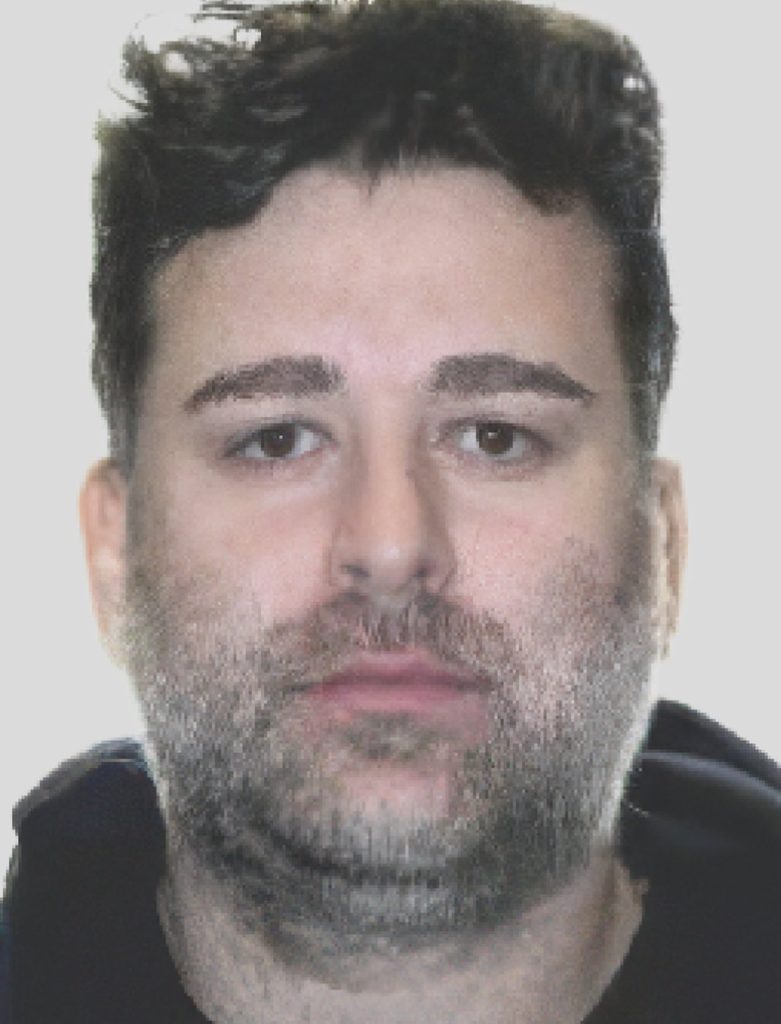
TORONTO – An Ontario man, Ryan Sokolovski, is contesting a judge’s ruling that denied him bail while being accused of acting as the “de facto bank” for a violent criminal enterprise allegedly led by former Olympic snowboarder Ryan Wedding. Sokolovski, a jeweller and former professional poker player, filed an application for judicial review last month, arguing that the judge improperly evaluated the reliability of his proposed sureties and misinterpreted allegations from U.S. authorities.
Sokolovski was one of eight Canadians arrested in the fall of the previous year during a lengthy U.S. investigation into Wedding’s activities. He is alleged to have played a significant role in an international drug smuggling operation, laundering hundreds of millions of dollars in assets through his jewelry business and arranging luxury items for Wedding, who was apprehended by U.S. authorities earlier this year.
The 38-year-old's legal team contends that, if released on bail, he would live with three of his four proposed sureties under strict conditions, including house arrest and continuous GPS monitoring. Justice Peter Bawden of the Ontario Superior Court did not oppose the proposal but expressed significant concerns regarding Sokolovski's credibility and transparency, particularly regarding the sources of his income.
Bawden deemed Sokolovski's claim that his company generated more than $30 million annually with little profit as implausible, indicating that he attempted to mislead the court regarding his financial circumstances. The judge further noted that Sokolovski had “successfully concealed” essential details about his financial status from his sureties for several years.
Due to a publication ban, the identities, occupations, and relationships of Sokolovski's proposed sureties cannot be disclosed. His lawyers argue in their filings that it was not fair to conclude that Sokolovski was hiding his finances from his sureties, as those individuals testified they hadn’t inquired about such details.
Additionally, Sokolovski's legal team asserts that Bawden was mistaken in questioning the reliability and appropriateness of the sureties based solely on their knowledge of Sokolovski's finances prior to their offer to act as sureties. They emphasized that Sokolovski had also testified to having earned a “substantial income” over the past decade through professional poker, cryptocurrency investments, and selling personal watches.
It was noted in court that he did not declare his poker and cryptocurrency earnings to the Canada Revenue Agency, believing that such income did not need to be reported for tax purposes. His lawyers stressed that it was a misinterpretation of the evidence to conclude that Sokolovski’s declared income could not possibly generate the spending he described during his testimony without involving money laundering.
The application further claims the judge relied on “unsubstantiated” allegations found solely in a letter from the U.S. Department of Justice. The letter suggests Sokolovski has access to “tens, if not hundreds of millions of dollars” worth of cryptocurrency and physical assets, which allegedly exaggerated the seriousness of the accusations against him and raised unjustified concerns regarding undisclosed assets.
Justice Bawden concluded that Sokolovski failed to demonstrate that he does not pose a flight risk, nor did he effectively prove that he lacks access to substantial funds that could facilitate his escape. In contrast, Sokolovski's lawyers argue that the judge did not appropriately consider the fact that he had multiple opportunities to flee before his arrest but chose not to do so, nor did he adequately weigh the substantial financial pledges made by his proposed sureties in support of his release.
A bail review hearing is scheduled to take place later this month, where these arguments will be revisited and further evaluated.