KAMPALA, Uganda (AP) – Ugandan health authorities reported two new Ebola cases on Monday, raising the total number of infections to seven. These cases are linked to an outbreak that originated in neighboring Congo, which appears to have begun several days or weeks prior to the official declaration by Congolese authorities on May 15.
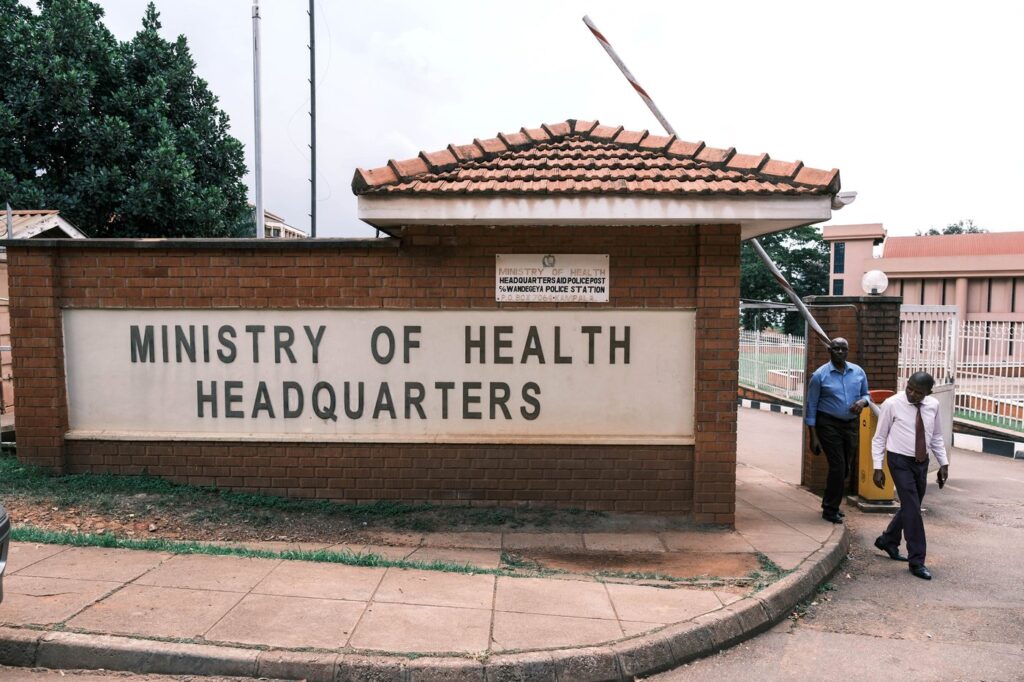
A 59-year-old Congolese man was admitted to a hospital in Kampala, the capital of Uganda, on May 11, but he died three days later without anyone knowing he was suffering from the Ebola virus. Following this, two other Congolese nationals who sought medical assistance in Uganda tested positive for the virus. Uganda's health authorities confirmed the first local infections on Saturday, identifying a driver and a healthcare worker who had been exposed to the deceased Congolese patient. Since then, two additional healthcare workers from a private hospital in Kampala have also tested positive.
Dr. Charles Olaro, the national director of health services, stated, "Both patients have been admitted to the designated treatment unit and are now receiving care." In light of the rising cases, Ugandan President Yoweri Museveni has urged citizens to "stop shaking hands" as a preventive measure against infection. Additionally, he ordered the postponement of an annual religious event that draws thousands of pilgrims from Congo and other regions to a Catholic basilica just outside Kampala, scheduled for June 3.
Additional preventive actions include the temporary suspension of all public transportation and flights between Uganda and Congo. Meanwhile, in Congo, suspected Ebola cases have surpassed 900, primarily affecting the eastern Ituri province where the current outbreak is concentrated. The response to the outbreak has been complicated by local fears and frustrations, which have led to attacks on treatment centers and distrust toward authorities in a region long affected by armed violence.
Congo has experienced numerous Ebola outbreaks over the decades, and health experts emphasize that international aid cuts from countries like the United States have significantly impacted the region's ability to respond effectively due to its unique challenges. Aid organizations currently battling the outbreak report a critical shortage of essential equipment, including face shields, protective suits for health workers, testing kits, and body bags required for the safe burial of victims, all of which are crucial for preventing further transmission.
The Bundibugyo strain of the Ebola virus responsible for the outbreak lacks an approved vaccine or treatment. As a result, the situation has been declared a global health emergency. Tracing and isolating contacts of Ebola-infected individuals is regarded as crucial for halting the spread of this deadly disease, which typically presents itself as hemorrhagic fever.
The World Health Organization indicates that a family of fruit bats is theorized to be the natural host of the viruses that cause Ebola. The virus is transmitted through direct contact with the bodily fluids of an infected person or contaminated materials.