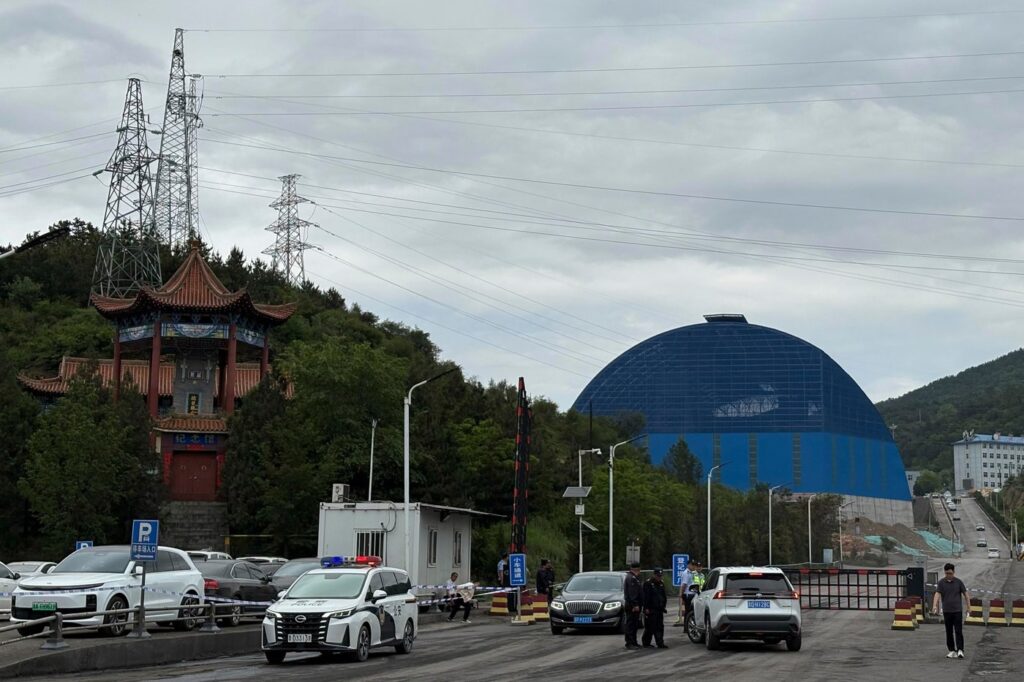
Authorities in northern China are investigating the Liushenyu coal mine operator following a devastating gas explosion on Friday evening that resulted in at least 82 fatalities, marking the deadliest coal mining incident in recent years. The incident took place in Qinyuan county, located in the city of Changzhi, in the Shanxi province, which is known for its extensive coal deposits.
Emergency responders, including hundreds of medical personnel, were immediately deployed to the scene. Rescue operations were hindered by challenges such as flooded tunnels, necessitating numerous teams to alternate their efforts in the mine shaft to search for survivors. As of late Saturday, two miners remained unaccounted for, and dozens more were hospitalized due to injuries sustained during the explosion. Reports indicated that some injured miners were affected by toxic gas.
The blast that caused the fatalities occurred at the privately operated Liushenyu coal mine, which Chinese President Xi Jinping has called to be thoroughly investigated, emphasizing accountability for those responsible. Initial reports suggested a higher death toll of 90, but this figure was later revised by officials who cited chaotic conditions and misinformation from the mine's operator as factors contributing to discrepancies in reporting.
In the aftermath of the explosion, local officials stated that the Liushenyu mine had engaged in serious safety violations, though specifics were not disclosed. Notably, blueprints provided by the mine did not accurately reflect the actual layout, complicating rescue efforts. State media reported that individuals responsible for safety failures have been placed under control, and local authorities initiated a wide-ranging inspection of coal mining operations across the region to assess gas drainage, ventilation, safety monitoring systems, and underground layouts.
Shanxi province, with its population of approximately 34 million, is deemed China’s principal coal mining area, producing nearly a third of the country's total coal supply. Following the explosion, additional mines in the vicinity were closed, prompting miners to leave the area or wait for their overdue wages. Eyewitness accounts from survivors reveal the chaos that ensued during the explosion; some miners reported difficulty breathing and loss of consciousness due to smoke and gas inhalation.
Miners in Shangzhuang village, which is located close to the mine facility, reflected on the tragic impact of the disaster on their community. Wang Linjun, a miner who was at home during the explosion, expressed deep sorrow over the loss of colleagues, stating that it weighs heavily on him. Meanwhile, Feng Renfu, who was working in a neighboring pit, described a narrow escape after sensing gas and withdrawing from the area. His remarks highlighted the familial anxiety surrounding the profession, as his elderly father frequently checks on his safety.
Despite ongoing concerns about safety and the regulations surrounding mining operations, coal remains a vital energy source in China due to its availability and cost-effectiveness. Each year, numerous mining accidents occur, prompting the government to implement safety measures intended to mitigate risks. However, the Liushenyu mine had previously been identified as disaster-prone by China's National Mine Safety Administration in 2024, drawing attention to persistent safety issues within the coal mining industry.
The explosion has reignited discussions regarding the safety of coal mining operations in China, with calls for accountability and systemic reform to prevent future tragedies. The ongoing investigations and inspections highlight the need for strict adherence to safety protocols in an industry pivotal to China's energy landscape.