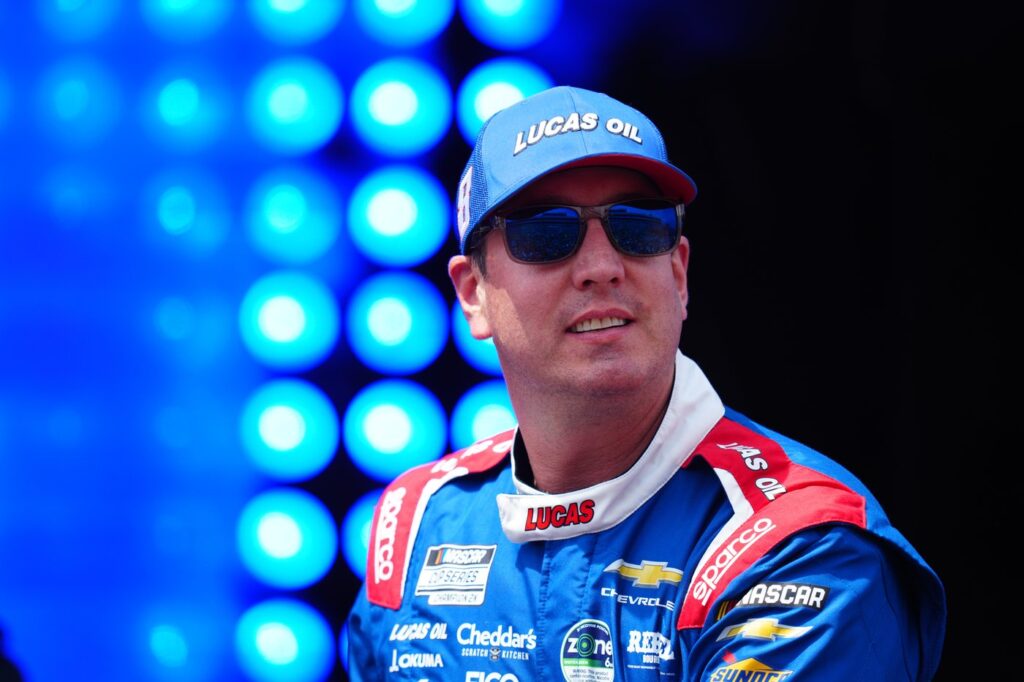
CONCORD, N.C. (AP) — Kyle Busch, a prominent two-time NASCAR champion, passed away at the age of 41 due to severe pneumonia that progressed into sepsis, resulting in rapid and overwhelming complications. This information was disclosed in a statement released by his family following medical evaluations received on Saturday.
Busch was hospitalized after becoming unresponsive during a session in a Chevrolet racing simulator on Wednesday, just days before he was scheduled to compete in the Coca-Cola 600 at Charlotte Motor Speedway. According to several individuals familiar with the situation, Busch had fainted and was transported to a local hospital in Charlotte for treatment.
Sepsis, classified as a life-threatening medical emergency, occurs when the body's response to an infection becomes extreme and harmful, leading to damage to tissues and organs. The reaction involves an overactive immune system releasing chemicals to combat pathogens, such as bacteria and viruses, but in the case of sepsis, this response produces widespread inflammation, blood clotting, and leakage in blood vessels, posing grave risks to health.
The day before his collapse, Busch had radioed his team during a race at Watkins Glen, reporting symptoms reminiscent of a sinus cold and requesting medical assistance. Nevertheless, he demonstrated resilience by winning a race in the Trucks Series shortly after. His sudden health crisis during the simulator testing took everyone by surprise, highlighting the unpredictability of health emergencies in high-pressure sports.
A call to emergency dispatch captured the critical situation, where an unidentified caller described Busch's symptoms, indicating he was short of breath and producing blood. On the call, Busch was described as conscious but in distress, lying on the bathroom floor of the facility. This alarming incident prompted immediate medical attention, but ultimately, Busch could not overcome the health challenges he faced.
NASCAR driver Brad Keselowski remarked that he was aware Busch had not been feeling well, even if he chose not to share details. Keselowski emphasized the competitive nature of racing, noting that many drivers feel compelled to continue competing despite health issues due to the fear of being replaced. He acknowledged the pressure athletes face to prioritize competition over personal health.
Chase Briscoe responded to Busch's death by calling it a “wake-up call” for drivers who often neglect their health during the demanding schedule of racing across the country. He urged his peers to prioritize medical check-ups if they experience any irregularities in their health.
In a show of respect for Busch, Austin Hill will take over driving the No. 33 car in the upcoming race, while Richard Childress Racing has temporarily retired Busch's No. 8 car until his son, Brexton, is old enough to race. A tribute will be visible during the race, with all 39 cars sporting a small black No. 8 decal to honor Busch's legacy.
Over his illustrious two-decade career, Busch amassed an impressive record, winning 234 races across NASCAR's top three series—more victories than any other driver in history. His contributions to the sport were recognized extensively by fellow drivers who praised his tenacity, competitive spirit, and his ability to engage candidly with fans and the media. Ryan Blaney reflected on Busch’s polarizing presence in the sport, acknowledging that regardless of public opinion, Busch was a central figure in NASCAR who earned respect for his authenticity and aggressive racing style.
In conclusion, the loss of Kyle Busch has reverberated throughout the NASCAR community, serving both as a reminder of the fragility of life and the importance of health awareness among athletes in high-stakes environments.