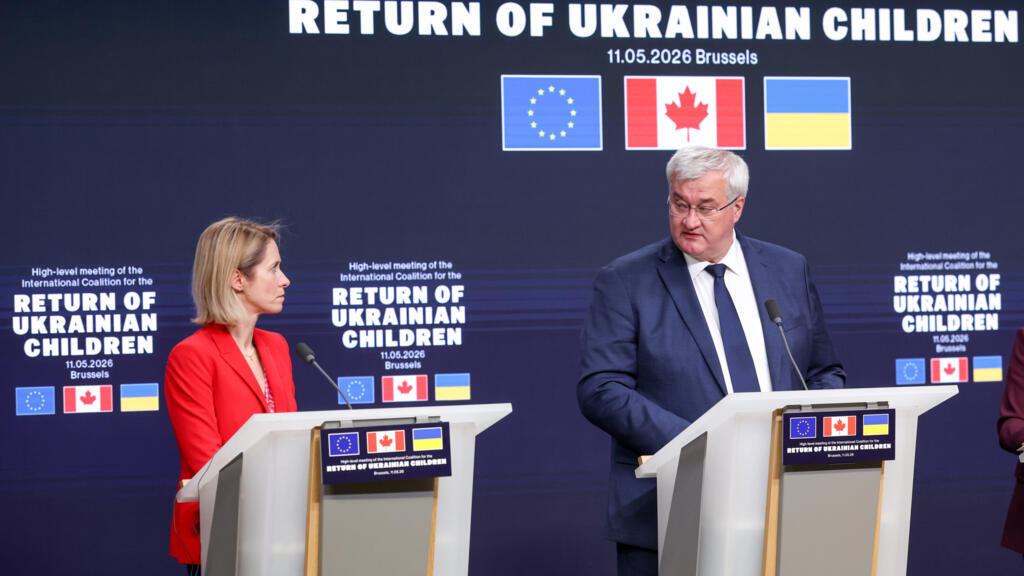
The European Union has raised significant concerns regarding the plight of thousands of Ukrainian children amid the ongoing conflict in Ukraine. Reports indicate that many of these children have been forcibly stripped of their Ukrainian identity and culture. Instead, they have been subjected to a controversial adoption process orchestrated by Russian authorities. This troubling situation has come to light as the EU continues to monitor the ramifications of the conflict and its broader implications for human rights.
According to EU officials, it is estimated that over 10,000 children from Ukraine have been taken into custody by Russian authorities since the beginning of the conflict in 2022. These children, many of whom were separated from their families during the conflict, are reportedly being given Russian passports and adopted into Russian families. This systematic adoption process raises serious ethical questions regarding the treatment of displaced children and the preservation of their cultural identity.
The EU's allegations point to a deliberate effort by the Russian government to assimilate these children into Russian society, effectively erasing their Ukrainian heritage. Reports highlight instances where children from orphanages or foster care systems in Ukraine have been relocated to Russia, often without proper legal procedures or parental consent. This action not only contravenes international law but also poses grave concerns about the psychological and emotional well-being of the affected children.
The European Commission has called for an immediate investigation into these practices, urging international bodies to intervene and protect the rights of these vulnerable children. The Commission emphasizes that the forced adoption and cultural assimilation of Ukrainian children is a violation of both Ukrainian sovereignty and international humanitarian law. The EU is also working to coordinate efforts with its member states to address this crisis and ensure that the children's identities are preserved and respected.
In response to the allegations, Russian officials have dismissed the EU’s claims, asserting that the adoption process is conducted in accordance with Russian law and is aimed at ensuring the welfare of children who are without families. However, these assertions are met with skepticism from the international community, as numerous human rights organizations have reported a pattern of abuse and neglect associated with the forced relocation and adoption of Ukrainian children.
The implications of this situation extend beyond the immediate challenges facing these children. The erosion of cultural identity and national belonging poses long-term risks to the Ukrainian community as a whole. Children represent the future of any nation, and the loss of these young individuals to forced assimilation could have devastating effects on Ukraine’s cultural continuity and resilience as a nation.
As the conflict continues, the plight of Ukrainian children has drawn increased attention from global leaders, human rights advocates, and humanitarian organizations. Advocates are calling for not only accountability but also comprehensive strategies to safeguard the rights of children caught in conflict zones. Efforts are underway to establish safe havens and support networks for displaced children, while also seeking their eventual repatriation to Ukraine.
The EU’s allegations highlight a critical aspect of the broader conflict between Ukraine and Russia, focusing on the impact on vulnerable populations, particularly children. The situation calls for a united global response to address the humanitarian crisis at hand and ensure that the rights and identities of Ukrainian children are upheld and protected amidst the turmoil. Moving forward, it is imperative that the international community remains vigilant and proactive in advocating for justice and protecting those most affected by the ongoing conflict.