Peter Magyar's Bold Start as Prime Minister
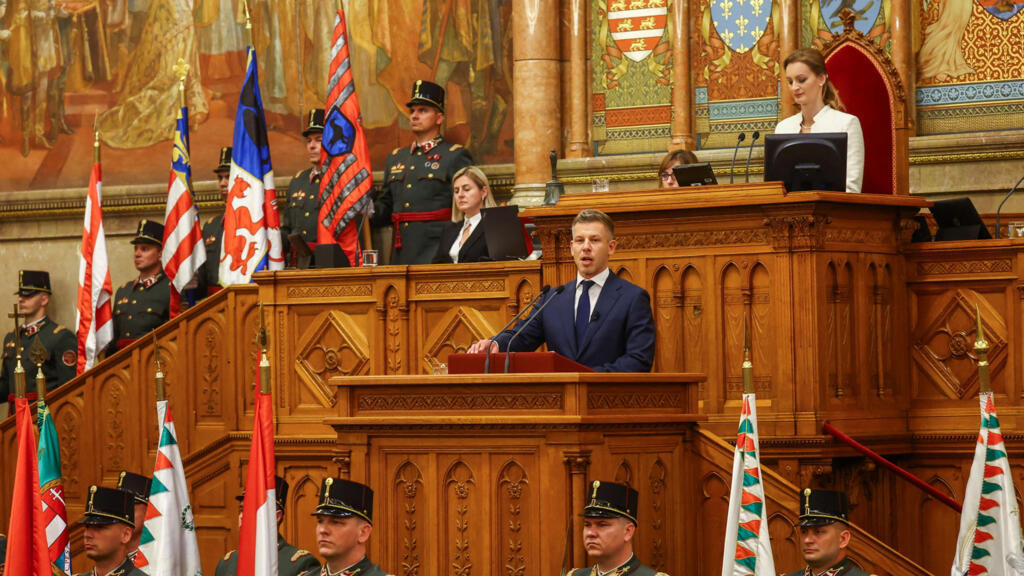
Peter Magyar, who assumed office as Hungary's Prime Minister on Saturday, made headlines within minutes of his inauguration by calling for the resignation of President Katalin Novák. This strong move indicates a decisive shift in Hungarian politics, suggesting that Magyar is serious about dismantling the extensive network of loyalists that former Prime Minister Viktor Orban had established during his long tenure in power.
Magyar's call for Novák's resignation signifies not only a personal conflict but also a broader ideological struggle. It highlights the new government's commitment to addressing issues of accountability and governance that have plagued Hungary under Orban's administration. Analysts interpret this as a clear message that those who benefitted from Orban's system, often referred to as "Orban loyalists," should now prepare for possible repercussions.
The political landscape in Hungary is poised for significant changes, as Magyar seeks to implement reforms and introduce a governance style that contrasts sharply with that of his predecessor. The new Prime Minister's intention to root out Orban's legacy indicates a willingness to challenge entrenched power structures, raising questions about how this will affect the political stability of the country going forward.
Magyar's swift move against Novák suggests that he aims to consolidate authority and signal to both supporters and opponents that he is taking control of the situation. Analysts believe that this approach may instill fear among those who thrived under Orban's regime, as they face uncertainty regarding their political futures and positions within the government.
The backdrop of Magyar's ascent is crucial to understanding the current political climate in Hungary. The country has been marked by political division and controversies surrounding Orban's policies and governance methods. In recent years, many had criticized Orban for eroding democratic institutions and consolidating power, which led to widespread discontent among voters looking for change.
In the wake of his elevation to Prime Minister, Magyar's administration is likely to explore various policies aimed at reversing the trends established during Orban's rule. This may involve a reform of electoral systems, transparency in governance, and enhancements in civil liberties. Stakeholders within Hungary and the broader European Union will be watching closely to gauge the effectiveness of Magyar's policies and their potential impact on Hungary's relations with Europe.
As the political dynamics evolve, the fate of those who aligned with Orban becomes an increasingly pressing concern. The fear among Orban loyalists is palpable, as their political survival hangs in the balance amidst an atmosphere of uncertainty surrounding Magyar's intentions. The new Prime Minister's ability to navigate these transformations effectively will play a critical role in shaping Hungary's future.
In summary, Peter Magyar is paving a path for significant political change in Hungary, with his immediate call for the resignation of President Katalin Novák serving as a powerful first move. The dynamics of power are shifting, and analysts predict that the effects of these changes will reverberate throughout Hungarian society as new policies and governance styles emerge.