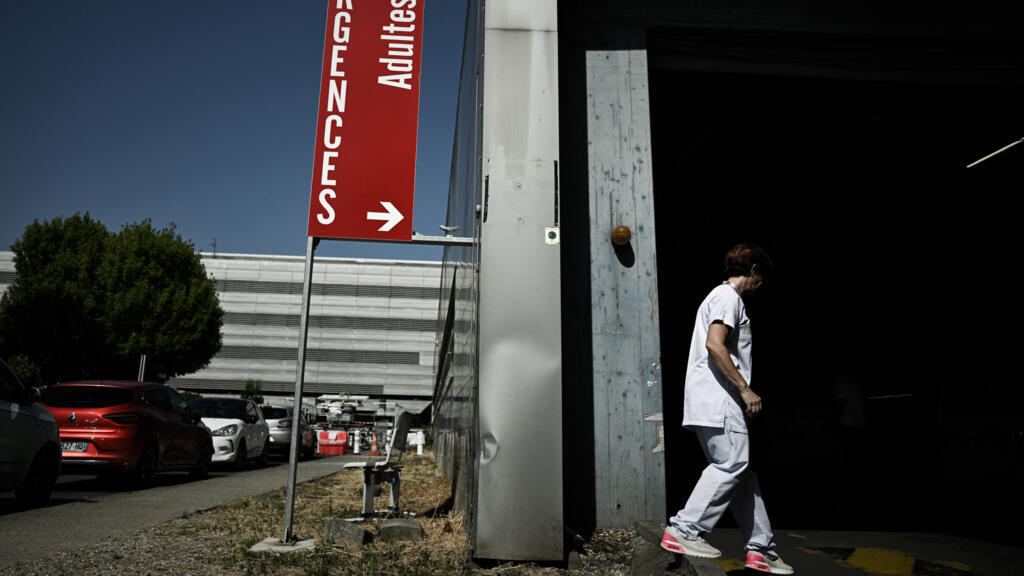
The unprecedented heatwave that has engulfed Europe since the beginning of the week is continuing to spread east and south across the continent. As regions brace for soaring temperatures that have already exceeded 35°C, various events have been canceled, and hospitals are facing overwhelming demand. This persistent rise in temperature is not simply an inconvenience; it poses serious risks to public health and safety, prompting widespread concern among governments and health authorities alike.
Many cities across Europe are experiencing record-breaking temperatures. For instance, areas in Southern Europe have reported highs surpassing 40°C, leading to warnings from national meteorological agencies. The heatwave has forced the cancellation of festivals, sporting events, and public gatherings, particularly in regions where outdoor activities are typically popular during this time of the year. Local officials are urging residents to stay indoors as much as possible and to hydrate regularly to stave off heat-related illnesses.
The ongoing heat has significantly impacted healthcare systems throughout Europe. Hospitals are becoming overwhelmed, with emergency rooms filled with patients suffering from heatstroke and dehydration. Medical professionals are sounding the alarm about the increasing number of heat-related illnesses and the strain on resources as they work tirelessly to care for those affected. Vulnerable populations, such as the elderly and individuals with pre-existing health conditions, are particularly at risk. Health authorities have recommended that these groups remain in cooled environments and take precautions against the heat.
In response to the rising temperatures, governments across Europe are enacting measures to protect public health. This includes the establishment of cooling centers in urban areas, distribution of bottled water, and public health campaigns aimed at educating citizens about the signs of heat-related illnesses. Some regions have also called for special attention to be given to those in need, including the homeless and low-income households, who may lack the resources to effectively cope with such extreme weather conditions.
In addition to its immediate health effects, the heatwave raises concerns about long-term implications for the environment and climate. Scientists have attributed this extreme weather pattern to broader issues related to climate change, emphasizing the need for increased action to address the underlying causes. As regions in Europe continue to face such unprecedented heat, the focus on climate resilience and adaptation strategies is more crucial than ever.
With meteorological forecasts indicating that this heatwave may persist for several more days, anticipation is building regarding its potential impacts on agriculture, transportation, and energy consumption. Farmers worry about the toll excessive heat can take on crop yields, while energy companies brace for increased demand as air conditioning usage spikes. The risk of wildfires is also heightened during such heatwaves, leading to a multi-faceted crisis that requires coordinated responses at local, national, and international levels.
As communities across Europe navigate the challenges posed by the ongoing heatwave, the situation serves as a stark reminder of the need for preparedness and resilience in the face of climate-related events. The culmination of these factors underscores the importance of addressing climate change proactively to mitigate the adverse effects on health, infrastructure, and future generations.