Trump Threatens 100% Tariffs on European Countries Over Digital Services Tax
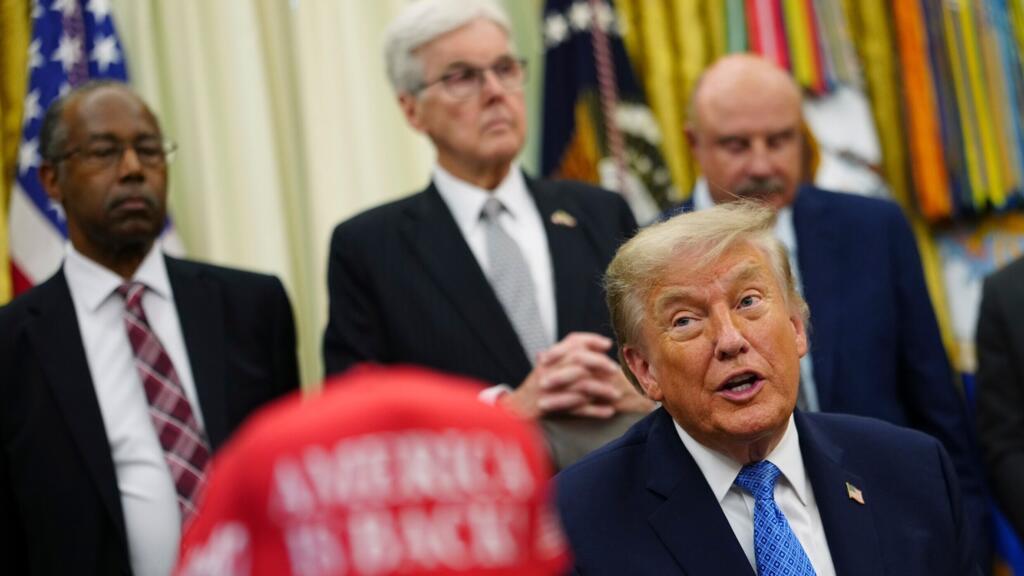
On Friday, former U.S. President Donald Trump issued a stern warning to European nations regarding the implementation of digital services taxes. During a speech, he stated that if these countries proceed with such taxes aimed at large tech companies, the U.S. would retaliate with an extraordinary measure: imposing 100 percent tariffs. This threat highlights the escalating tensions between the U.S. and European countries over digital taxation, particularly affecting technology giants that operate across borders.
Trump's comments come in the wake of several European nations, including France, the United Kingdom, and Italy, enacting or planning to implement taxes specifically targeting tech firms like Google, Amazon, and Facebook. These digital services taxes have been criticized by the U.S. as unfairly targeting American companies and unilaterally imposing tax measures that complicate international trade relations.
In his remarks, Trump emphasized the administration's commitment to protecting American businesses and interests. He warned that the imposition of such tariffs could lead to the cancellation of existing trade agreements with European nations if they continue to pursue these tax initiatives. This stance is consistent with Trump's broader approach towards trade, which has often involved aggressive measures and a willingness to confront allies over economic policies that he perceives as disadvantageous to the U.S.
The suggestion of 100 percent tariffs raises concerns about the potential repercussions for transatlantic trade. Should these tariffs be enacted, they could significantly affect the prices of goods and services imported from European countries, leading to increased costs for American consumers and businesses. Additionally, retaliatory measures from European nations could further escalate trade tensions, resulting in a cycle of tariffs and counter-tariffs that could impact global markets.
The digital services tax issue has long been a source of contention on the international stage, with the Organization for Economic Cooperation and Development (OECD) attempting to mediate discussions between countries to reach a multilateral agreement. However, the progress has been slow, and unilateral actions taken by individual countries have prompted strong reactions from the U.S. government.
Trump's administration has consistently opposed the digital services tax, viewing it as a discriminatory practice aimed at American firms that dominate the global digital landscape. The former president's remarks suggest a departure from diplomatic negotiations, opting instead for a tougher stance that could lead to heightened friction in U.S.-Europe relations.
As this situation evolves, the implications of such tariffs will need to be closely monitored. The potential for a trade war involving significant tariffs could disrupt not only U.S.-EU trade but also have far-reaching consequences for global economic stability. Stakeholders in both regions, including businesses, policymakers, and consumers, are likely to keep a close eye on further developments concerning this issue.
In summary, Trump's threat to impose 100 percent tariffs on European nations that implement digital services taxes reflects a more aggressive U.S. trade policy that may complicate diplomatic relations and economic cooperation in the coming months.