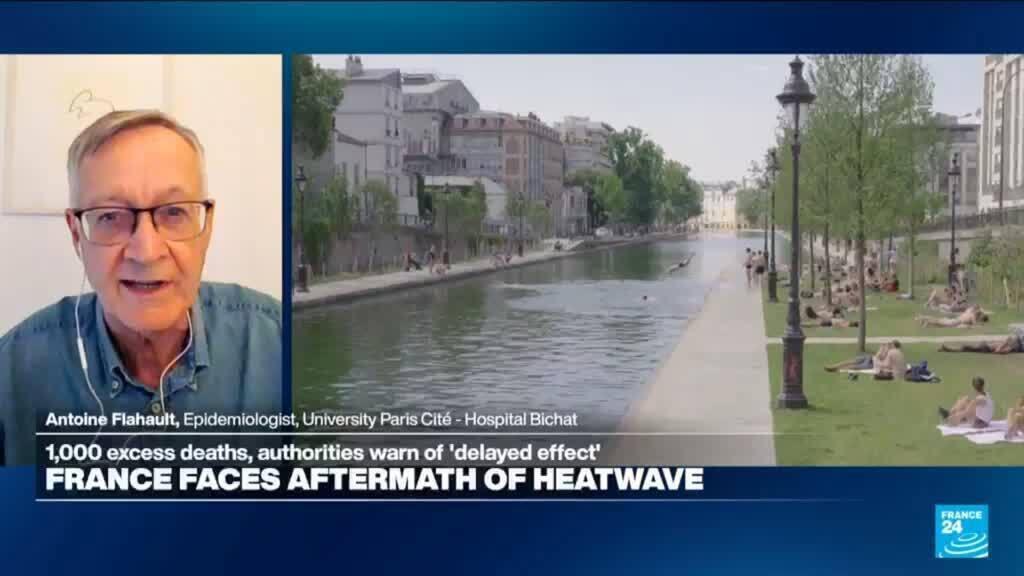
Nadia Massih recently welcomed Dr. Antoine Flahault, an esteemed Epidemiologist, Researcher, and Professor at Université Paris Cité - Hospital Bichat, to discuss the implications of France's latest heatwave on the healthcare system. This event has shed light on the reality that healthcare systems were largely designed for a different era, one that did not anticipate the current frequency and intensity of heatwaves attributable to climate change.
Dr. Flahault indicated that while much attention is given to the immediate effects of soaring temperatures and the resulting overcrowding in emergency departments, the real challenge lies in the capacity of institutions to adapt to these changing conditions. He emphasized that France has indeed learned from past events, particularly the devastating heatwave of 2003 that led to thousands of fatalities, prompting a necessary reassessment of healthcare strategies.
Since that tragic event, hospitals across France have improved their clinical practices and emergency planning significantly. Enhanced protocols and better preparedness have been established to handle heat-related health issues more effectively. However, Dr. Flahault cautions that as heatwaves become a more regular phenomenon, it is crucial to expand the focus beyond immediate medical responses to more structural and long-term investments.
One of the key recommendations made by Dr. Flahault is the need for broader access to air conditioning, not just in hospitals but also in care homes, schools, and private residences, particularly for vulnerable populations. He argues that the risks associated with extreme heat are disproportionately borne by certain groups, such as the elderly, children, and those with pre-existing health conditions. Therefore, implementing widespread infrastructural changes will be vital in safeguarding these at-risk groups during heatwaves.
Dr. Flahault's insights suggest that the modern challenges posed by climate change, particularly increasing temperatures, necessitate a fundamental reevaluation of how healthcare systems are structured and operated. It calls for a shift from reactive measures to proactive strategies that incorporate the vulnerabilities of certain populations into the planning and provision of healthcare services.
The discussion highlights a pressing need for investment in climate-resilient healthcare infrastructure. As France continues to face the implications of climate change, the lessons learned from past heatwaves must inform future policies. The proactive design of healthcare facilities, which includes ensuring adequate cooling systems and emergency preparedness for severe weather events, stands as a crucial priority.
In summary, the latest heatwave has served as a stark reminder of the growing challenges within the healthcare system. Dr. Flahault advocates for a transformative approach, blending improvements in clinical responses with comprehensive infrastructural support, to protect France's most vulnerable populations from the escalating threats posed by climate-induced heatwaves.