Poland's Landmark Decision on Same-Sex Marriage Recognition
Poland has long been regarded as one of Europe's most restrictive countries regarding LGBT rights. For years, same-sex couples in Poland have faced significant legal challenges, as neither same-sex marriages nor civil partnerships have been permitted within the nation's borders. This situation has put Poland at odds with the increasing acceptance of LGBT rights across much of Europe.
However, in a significant shift, Poland has recently taken steps towards legal recognition of same-sex marriages performed in third countries. This change was implemented in late May 2023, following a ruling by the European Court of Justice (ECJ) that mandated Warsaw to comply with EU free movement laws. The ECJ ruled that by withdrawing rights from couples who had legally married in other nations, Poland was in violation of EU regulations. This legal precedent has opened new avenues for same-sex couples in the country.
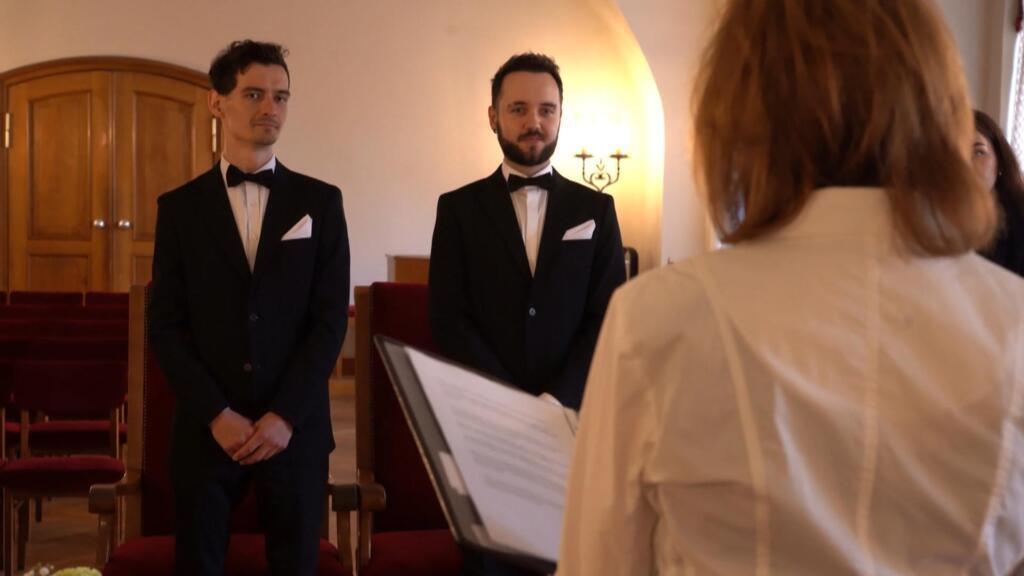
As a result of this ruling, Polish same-sex couples have been hastily arranging weddings abroad to ensure their unions are legally recognized back home. Many couples are now traveling to countries where same-sex marriage is legal, such as Spain, the Netherlands, and Germany, to tie the knot. Once married, these couples can return to Poland with their legal documentation, securing new rights that were previously denied to them.
The influx of Polish couples seeking marriage abroad highlights a significant social shift in Poland, where the LGBT community has faced intense backlash from conservative groups and political figures. The legal changes prompted by the ECJ's ruling may invigorate the movement for equality, providing a glimmer of hope for those advocating for broader reforms within the country.
The decision to recognize same-sex marriages from other countries creates a unique legal landscape, as it allows couples to enjoy some degree of legal protection and recognition after being wed abroad. However, it also raises questions about the future of LGBT rights in Poland, particularly under the current political climate. Activists and advocates remain cautiously optimistic, hoping that this move will pave the way for further advancements in equality and rights for the LGBT community in Poland.
In summary, while Poland's legal framework has traditionally been hostile to LGBT rights, recent developments signify a potential shift towards greater acceptance and recognition of same-sex relationships. The European Court of Justice's ruling has prompted Polish authorities to allow the recognition of foreign same-sex marriages, leading many couples to seek legal affirmation of their relationships outside Poland. This situation encapsulates the ongoing struggle for LGBT rights in Poland and reflects the broader dynamics of social change across Europe.