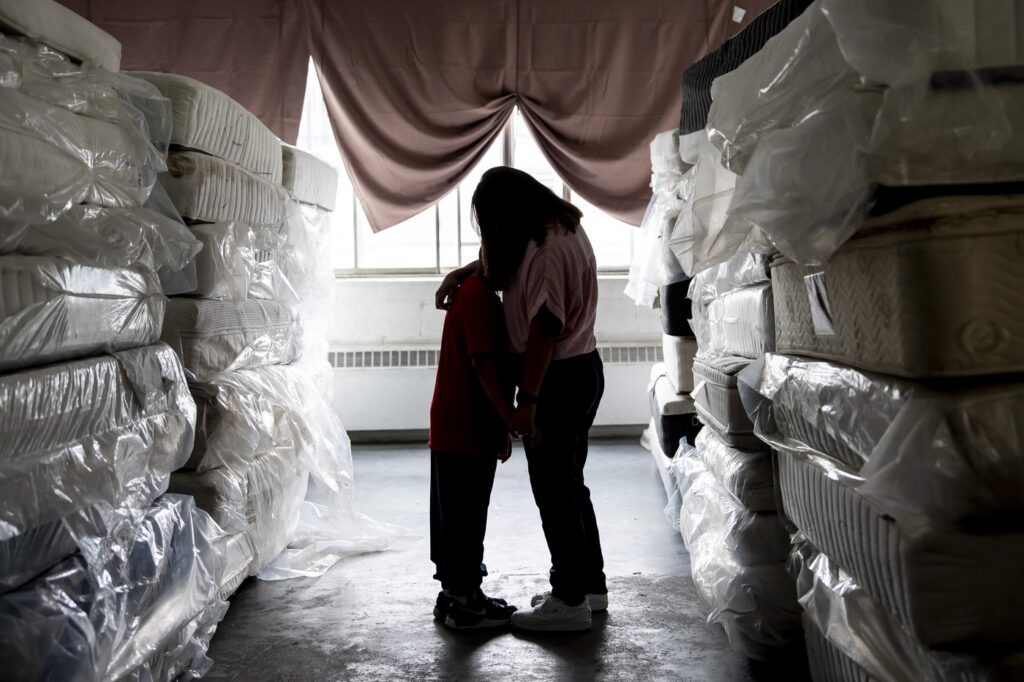
Arminda Casanova and her son face imminent deportation from Canada, set to occur on Tuesday, after seeking asylum in the country since 2022. They fled Mexico to join her husband, who had filed his asylum claim a year earlier. Despite being actively engaged in the Montreal community, learning French, and working locally, the impending separation from her husband, who is still awaiting a hearing on his own case, has left Casanova deeply concerned for her son’s emotional well-being.
Casanova expressed her worries, stating, “It’s going to be really hard on my son because he’s very attached to his father,” emphasizing the emotional and mental consequences of the impending separation. The Canadian Press has chosen to withhold the identities of her family members to protect them from potential reprisals in both Canada and Mexico, especially as her husband’s asylum hearing is scheduled for September.
Advocates and immigration lawyers have noted a disturbing trend, indicating that family separations among asylum seekers have increased due to stricter immigration policies and expedited removal processes. In recent months, immigration lawyers in Quebec reported a surge in cases where families face separation, with instances of help requests doubling compared to the previous two years. A local non-profit, the Welcome Collective, has assisted ten families with similar challenges since March, compared to only two cases in 2025.
Lawyer Marie-Odile Marcotte commented on the current situation, noting, “It’s not normal that people in Canada find themselves in this situation and that families are torn apart.” The statistics underscore this increase, with the Canadian government reporting a total of 23,160 deportations in 2025, marking the highest number in six years. This uptick aligns closely with the introduction of stricter federal immigration laws designed to address sudden spikes in asylum claims and enhance deportation enforcement.
In October 2025, the Canadian government introduced the Strengthening Canada’s Immigration System and Borders Act, which established stricter eligibility criteria for asylum seekers and expedited removals. Critics, including Amnesty International and the Canadian Council for Refugees, have condemned the legislation as a threat to the right to seek asylum, asserting it disproportionately affects vulnerable individuals.
The Canada Border Services Agency (CBSA) stated that they prioritize deportations of individuals posing significant threats, including those associated with serious criminal offenses or human rights violations. However, the agency deemed Casanova not eligible for refugee protection, a decision that has been upheld despite her appeal.
While living in Montreal, Casanova, a former school teacher, and her son have actively integrated into their community, with Casanova finding work in daycares and collective kitchens. She mentions, “The important part is that we are together,” reflecting her desire for family unity during this challenging time.
The CBSA remarked it does not act on a removal order until all avenues for legal recourse have been exhausted, but Casanova has indicated that the costs of pursuing a Federal Court appeal are beyond her means. Immigration lawyer Suzanne Taffot observed an influx of clients facing deportation in late 2025, highlighting the increased separation of families even when one parent is still awaiting a hearing.
Meanwhile, Casanova’s husband, employed in construction, has expressed a willingness to sacrifice his asylum application to remain with his family, though Casanova continues to support his decision to wait for his hearing. Flore Morel from the Welcome Collective stressed that the Immigration and Refugee Board of Canada acknowledged the risks faced by Casanova’s family but still suggested they could relocate safely within Mexico, a claim the border agency did not confirm.
In conclusion, Casanova and her family face significant emotional turmoil as they prepare for deportation, especially given the risks they fled in Mexico and their troubled journey as asylum seekers in Canada. With new immigration policies tightening the rules surrounding asylum claims, the family’s plight highlights the broader systemic issues affecting vulnerable communities seeking safety and stability.