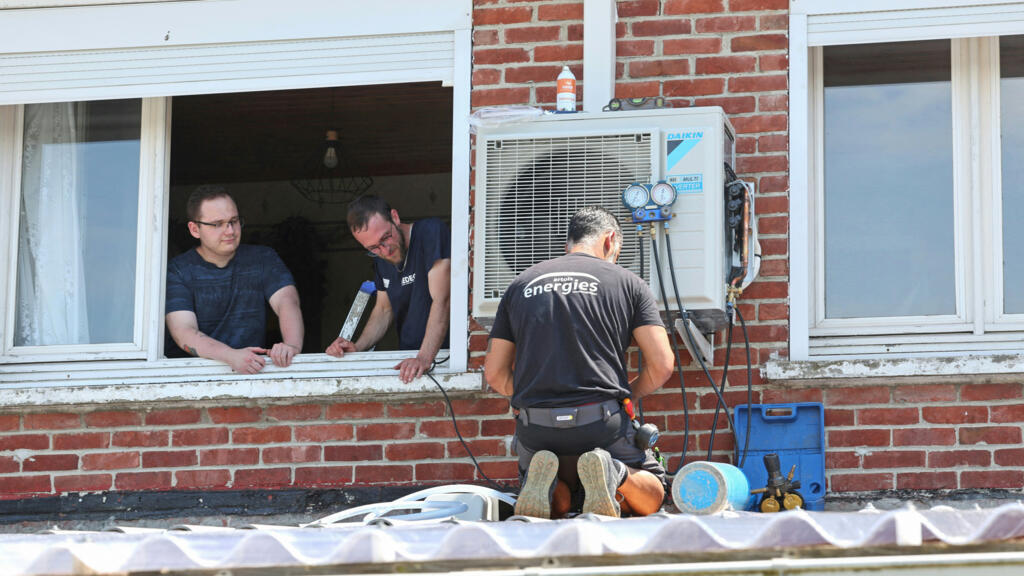
Brussels Remains Neutral Amidst the Air Conditioning Debate During Europe’s Heatwave
As a severe heatwave continues to sweep across Europe, Brussels has made an announcement regarding the ongoing political debate surrounding air conditioning. The heatwave, which has caused serious health risks and environmental concerns, has led to intensified discussions about the use of air conditioning in various sectors, including residential, commercial, and governmental spaces.
The European Commission, headquartered in Brussels, has decided to adopt a neutral stance on the contentious issue. This decision comes in the wake of increasing temperatures that have prompted calls for more widespread use of air conditioning as a means to combat heat-related health issues. However, the Commission is also aware of the environmental impact associated with air conditioning systems, particularly in terms of energy consumption and greenhouse gas emissions.
Officials from the European Commission stated that they acknowledge the necessity of air conditioning in certain situations, particularly for vulnerable populations such as the elderly and those with pre-existing health conditions. The heatwave has prompted many governments across Europe to issue heat alerts and provide advice on how to stay cool. However, the Commission also indicated that encouraging air conditioning use could conflict with the European Union’s broader goals of reducing carbon footprints and promoting sustainability.
The debate has further intensified due to varying regional climates across Europe. Southern countries, like Spain and Italy, have historically relied more on air conditioning compared to their northern counterparts, which experience milder summers. The differences in climate have led to divergent opinions about air conditioning, with some regions advocating for its wider adoption, while others raise concerns about energy consumption and increased electricity costs.
The European Union has been actively promoting energy-efficient solutions and alternative cooling methods, such as passive cooling and the use of natural ventilation systems. These strategies aim to reduce reliance on energy-intensive air conditioning units and also lower environmental impacts. Nevertheless, the immediate public health risks posed by extreme heat are creating a complex dilemma for policymakers.
Various experts have chimed in on the debate, highlighting a potential compromise that could involve the promotion of energy-efficient air conditioning systems as opposed to completely endorsing or opposing the technology. The introduction of regulations aimed at improving the efficiency of air conditioning units could provide a balanced approach, one that prioritizes public health while also taking into consideration environmental sustainability.
As the situation develops, upcoming discussions at the European Parliament are expected to explore the implications of air conditioning on public health, energy consumption, and climate policy in greater depth. EU officials will likely seek input from various stakeholders, including public health experts, environmental scientists, and representatives from both the residential and commercial sectors to form a more comprehensive strategy that addresses the multifaceted challenges posed by Europe’s current heatwave.
In summary, as Europe grapples with unprecedented heat conditions, Brussels is choosing to remain impartial in the debate over air conditioning. The complexity of the issue, given the diverse climate and energy profiles across the continent, necessitates careful consideration of both public health needs and environmental impacts. The ongoing dialogue is crucial for developing sustainable solutions that accommodate the realities of extreme weather while striving for a greener future.