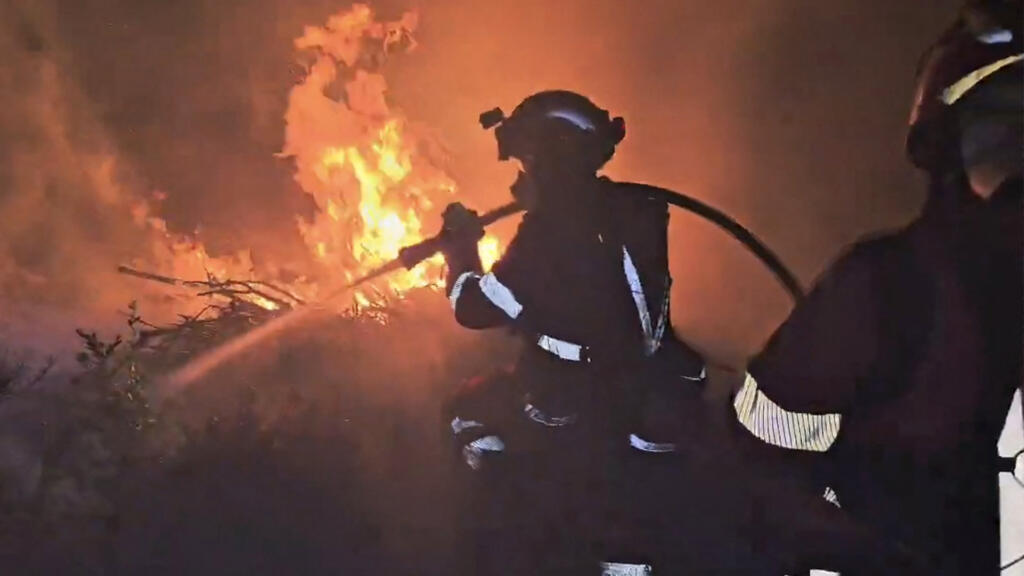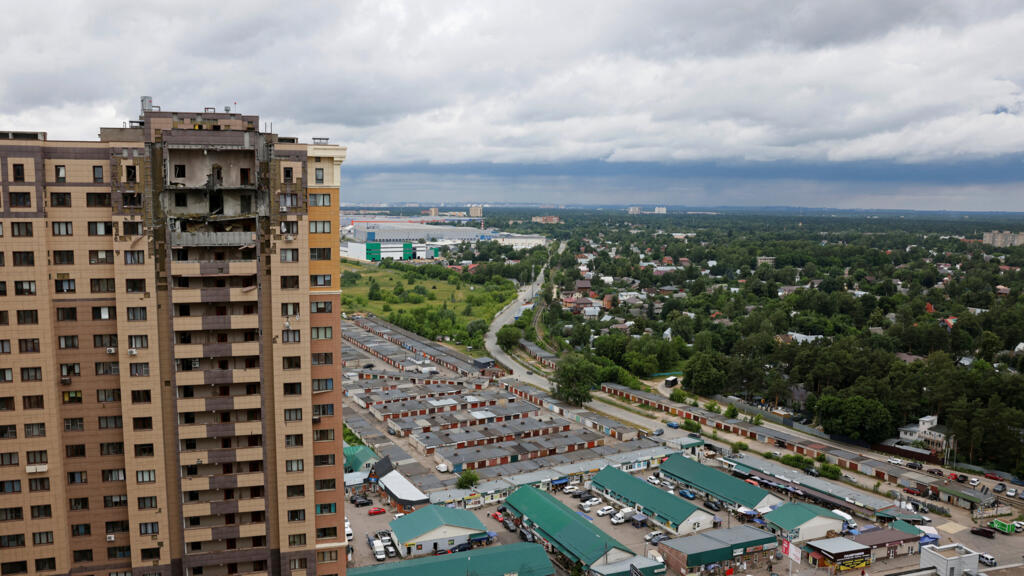
A recent attack attributed to Ukraine involved a drone assault on a logistics center in Moscow, resulting in the tragic deaths of seven night-shift workers and injuries to 24 individuals. This incident occurred on Saturday, highlighting an escalation in Ukraine's aerial operations targeting Russia. As reported by local officials, this particular drone strike was part of a larger offensive that included a total of 370 drones. Notably, the Mayor of Moscow stated that the majority of these drones were "neutralised," indicating a defensive effort to mitigate the impact of the attacks.
The backdrop of this event is the ongoing conflict between Ukraine and Russia, which has persisted for over four years. Ukrainian authorities assert that their recent drone attacks on Russian territory are a form of retaliation or "fair retribution" for the prolonged aggression from Moscow. This perspective has been reinforced by Ukrainian officials who view such military actions as necessary to counteract Russia's military presence and activities within Ukraine.
During the incident at the logistics center, it is reported that the timing and location were significant, as it took place during the night when many workers were present, raising concerns about the safety protocols in place at such facilities. The scale of the drone assault also raises questions about the preparedness and responsiveness of air defense systems deployed in Moscow, a city that has not been a focal point of intense military engagement until now.
The ramifications of this attack extend beyond immediate casualties. It underscores a worrying trend in warfare, where drone technology is increasingly being utilized to strike critical infrastructure within enemy territories. The increase in drone warfare tactics suggests a shift in strategy, with both sides adapting to new technologies and methods to achieve their military goals. This incident fits into a broader narrative of escalating tensions and violence, indicating that the conflict might be entering a more dangerous phase.
Given the geopolitical context, the implications of the drone attack reach far beyond the immediate damage and loss of life. National discussions around security, defense spending, and military strategy are likely to intensify in both Ukraine and Russia. Furthermore, public sentiment within Russia may be affected as citizens grapple with the direct consequences of the war reaching their doorsteps, potentially leading to increased calls for governmental action or changes in policy.
As the conflict continues, it remains to be seen how both nations will respond in the following days and weeks. The international community, particularly nations closely watching the situation, will also likely increase their involvement or analysis of the evolving scenario. As Ukraine pushes forward with its strategy of drone attacks, the responses from the Russian government and military will be closely monitored, with potential repercussions for regional and global stability.
In summary, Saturday's drone attack in Moscow represents a significant moment in the ongoing war between Ukraine and Russia, revealing both the capabilities of modern warfare and the heavy toll that such conflicts exact on human lives. The incident emphasizes the unpredictable nature of the conflict and serves as a reminder of the urgent need for resolution and dialogue.