On Monday, President Donald Trump signed orders to impose 50 percent tariffs on certain Canadian products, heightening trade tensions with the United States’ northern neighbor. The White House provided a fact sheet stating that Trump is taking these actions to hold Canada accountable for its ongoing discrimination and unreasonable treatment of U.S. commerce, which has placed hardships on American workers.
The newly implemented tariffs will come into effect in 30 days and will encompass a broad range of goods including hockey sticks, wine, and cement. A senior White House official, speaking on the condition of anonymity, noted that this measure is a direct response to various Canadian policies such as provincial bans on U.S. liquor, Canada’s supply-managed dairy system, and quotas on specific U.S. vehicles.
What sets these tariffs apart from many of Trump's previous ones is that they will not offer any exemptions for products that comply with the Canada-U.S.-Mexico Agreement (CUSMA). However, the new tariffs will not apply to energy, potash, fish, critical minerals, or other goods that are already subjected to separate sector-specific tariffs imposed by Trump.
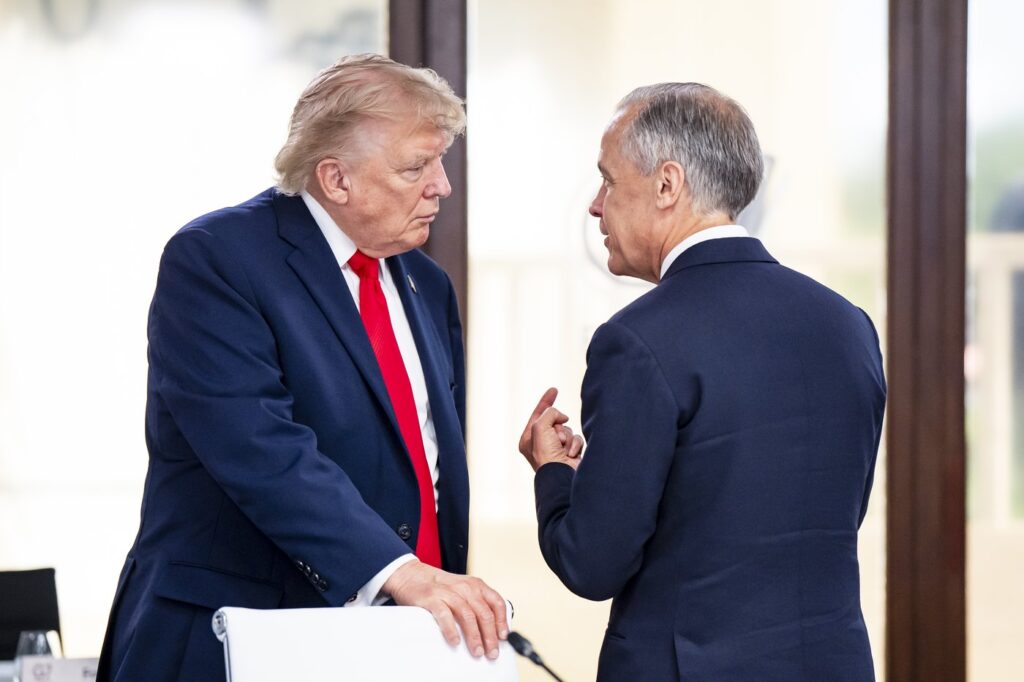
In response to the tariffs, Canadian Prime Minister Mark Carney stated that Canada will work tirelessly to bolster its domestic strength and support Canadian workers, farmers, businesses, and families. Carney emphasized the impact of this trade dispute, noting that it has raised costs for American families. He expressed Canada's readiness to engage with the U.S. to address outstanding issues for the mutual benefit of citizens in both countries.
Following his discussions with Trump, Carney highlighted that while there are existing issues in trade relations, Canada is concurrently pursuing positive trade relationships with other nations. He reiterated that Canada’s primary focus is on strengthening its economy.
Further addressing the situation, a White House official reiterated a common talking point from the Trump administration, claiming that Canada and China are the only two countries that have retaliated against U.S. tariffs. Notably, Canada had previously implemented extensive retaliatory tariffs in response to Trump’s tariffs last year, although many of these duties have since been rolled back to facilitate improved trade relations.
Additionally, several Canadian provincial liquor boards ceased purchasing American alcohol last year in response to the tariffs and threats of annexation from Trump. While provinces such as Saskatchewan and Alberta have reinstated sales of American liquor, major markets like Ontario and Quebec have yet to resume stocking U.S. alcoholic beverages. The bans have been a significant irritant for the Trump administration and many Republican lawmakers, especially considering the reported 81 percent decrease in Canadian imports of U.S. alcoholic beverages from March 2025 to February 2026 compared to the previous year.
Trump’s tariffs on automobiles, set at 25 percent, have considerably impacted the Canadian automotive industry. The White House criticized Canada’s decision to implement tariff-free quotas on imports of U.S. vehicles from automakers that have shifted production out of Canada. The administration contended that Canada manages these quotas in a manner that forces U.S. auto manufacturers to invest in production within Canada rather than in their home country.
Long-standing grievances surrounding Canada’s supply-managed dairy system have continued to complicate trade relations between the two nations. The White House pointed out that Canada has established restrictive tariff-rate quotas on U.S. cheese that are significantly more limited than those applied to similar cheese imports from the European Union.
The administration's decision to implement these new tariffs was informed by Section 338 of the Tariff Act of 1930, a statute that had never been utilized in this context before. This section grants the President authority to impose tariffs when a country disadvantages U.S. exporters relative to those from other nations. The White House indicated that while the statute does not articulate specific conditions for the removal of the duties, the Trump administration plans to evaluate the situation step-by-step.
It is important to note that these new tariffs are not related to Trump’s recent threats to introduce higher tariffs on Canada due to wildfire smoke.
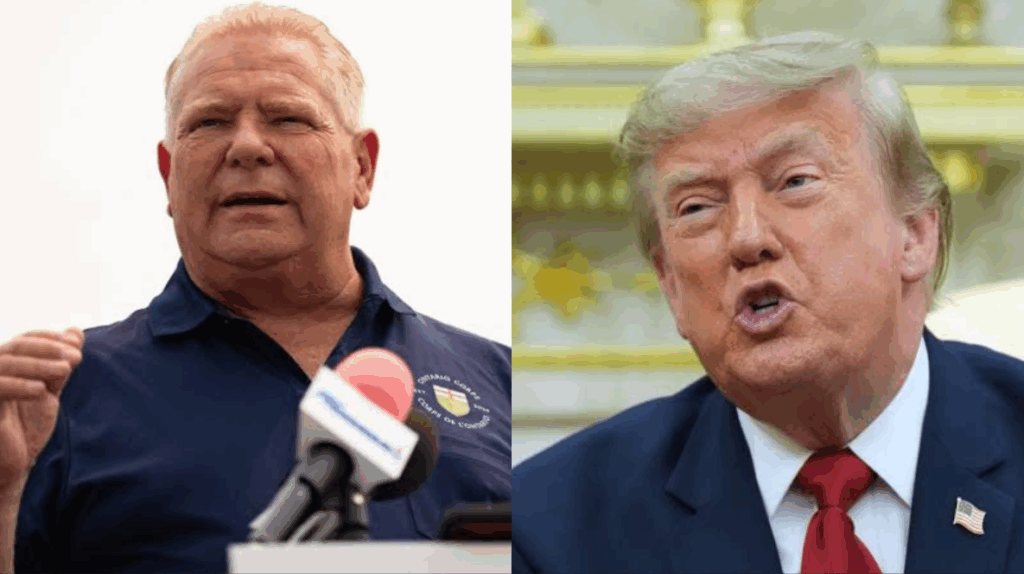
Ontario Premier Doug Ford has expressed a willingness to restore American alcohol sales once CUSMA is renewed, stating his eagerness to finalize the deal. He additional remarked on social media regarding the new tariffs, advocating for a reciprocal economic response from Canada, indicating that Canada should retaliate dollar-for-dollar against any tariffs imposed by the U.S.