US-Canada Relations and Europe's Associate Membership Proposal
In a politically charged environment, the current U.S. President has stirred discussions about potential changes in North American alliances, specifically suggesting the idea of making Canada the 51st state of the United States. This provocative statement highlights the ever-evolving dynamics of U.S.-Canada relations, which have historically been characterized by close ties and bilateral cooperation.
Across the Atlantic, in Europe, another significant conversation is taking place regarding the future of European integration and membership status. The President of the European Commission, Ursula von der Leyen, has introduced the concept of "associate membership" for non-EU countries. This proposal is particularly targeting nations that wish to maintain a close relationship with the European Union (EU) without full membership privileges. The notion of associate membership emerges as a pathway that could facilitate deeper ties, benefiting both the EU and the associated nations.
The term "associate membership" is designed to distinguish between the varying degrees of cooperation and integration that different countries experience with the EU. For example, countries like Iceland, Norway, and Switzerland have already established substantial agreements with the EU through the European Economic Area (EEA) and separate bilateral agreements that allow for the free movement of goods, services, and people. However, they do not hold full EU membership, which means they do not participate in the EU's decision-making processes.
Compared to these established relationships, the concept of associate membership offers a different level of engagement. It may provide countries access to certain EU markets or policy areas while excluding them from others, such as the Common Agricultural Policy or the Common Fisheries Policy. This conditional access allows for flexibility, enabling countries to pick and choose the areas in which they wish to engage with the EU, thus creating a tailored relationship that suits both parties' interests.
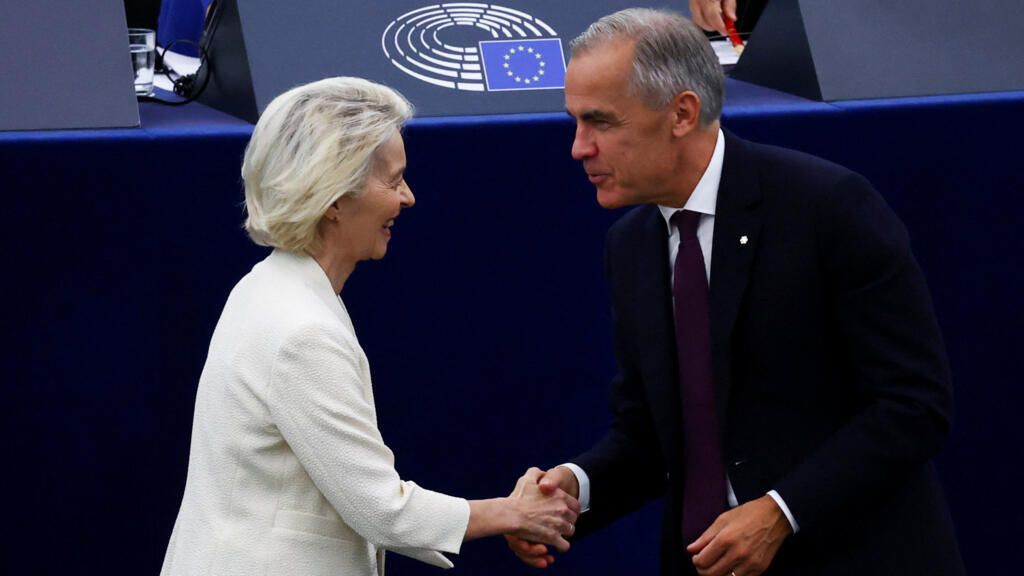
Mark Carney, former Governor of the Bank of England and now an important figure in international finance, is expected to address these issues in a speech in Strasbourg before the European Parliament. His visit coincides with heightened discussions on the potential of associate membership, especially in light of the UK's recent exit from the EU. Carney's insights are likely to shed light on how such arrangements could work in practice and their implications for global economic cooperation.
As the landscape of international relations continues to shift, both the United States and Europe are navigating their relationships with neighboring countries through innovative frameworks like the proposed associate membership. These discussions reflect a growing recognition of the need for flexible partnerships that can adapt to the changing political and economic realities of the 21st century.
Overall, the evolving idea of associate membership in the EU stands as a testament to the complexity of modern alliances. Traditional concepts of membership are being redefined, as nations seek to engage more dynamically in a multipolar world. The outcomes of these discussions are likely to shape the future of not only U.S.-Canada relations but also the broader landscape of European integration and its impact on global partnerships.