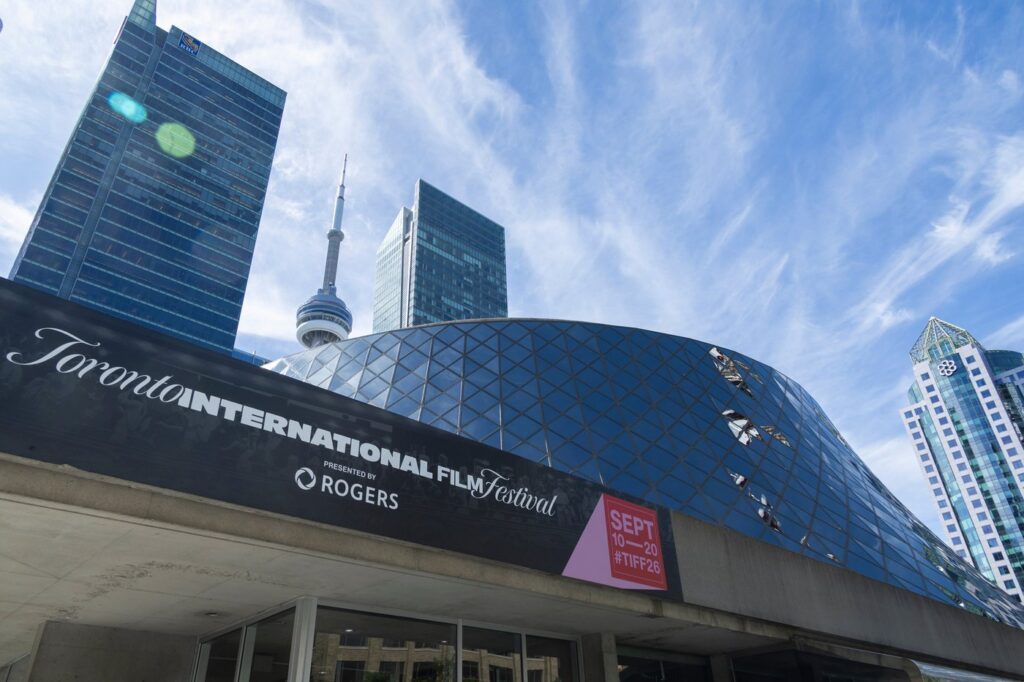
TORONTO (AP) – The 51st Toronto International Film Festival (TIFF) kicked off amid a backdrop of rising tensions between the U.S. and Canadian governments. However, this contentious atmosphere seemed distant as festival-goers enjoyed the convivial spirit of the event. TIFF, North America’s largest film festival, attracts filmmakers and audiences from across the globe, with a significant number coming from the United States.
This year, TIFF occurred just weeks after U.S. President Donald Trump signed an executive order amidst an escalating trade war, renaming Lake Ontario as "Lake America." This decision and the surrounding political friction have been met with a blend of sarcasm and defiance at the festival. Cameron Bailey, TIFF's chief executive, welcomed attendees with a clear reference to the newly named lake. "Welcome to TIFF and welcome to the beautiful shore of – say it with me – Lake Ontario," he said while introducing the film "Being Heumann."
Toronto Mayor Olivia Chow echoed this sentiment, pointing out that "Being Heumann" tells the story of disability rights activists who fought tirelessly for accessibility laws and equal rights. Chow stated, "It shows us that when people come together and stay tenacious, they can move mountains – even against the might of the U.S. government."
During his presidency, Trump has frequently clashed with Canada, asserting that the country has been unfairly benefiting at the expense of the U.S. In August, he remarked that Canada had been "ripping us off for a long time." Last month, the U.S. announced a 50% tariff on $20 billion worth of Canadian goods, prompting Canada to impose similar retaliatory tariffs on American products, including steel and dairy. Recently, Trump referred to Canada as the "worst country to deal with."
After Trump's controversial renaming of Lake Ontario, companies like Google and Apple modified their maps to indicate "Lake America" for U.S. users, while some news organizations, including The Associated Press, opted to continue using the original name.
Many filmmakers and attendees at TIFF also chimed in on the issue. Director Peter Farrelly expressed his delight at being back at Lake Ontario's shores, notably during the premiere of his film "I Play Rocky." The festival provided a platform for films that inadvertently captured the moment’s political significance, such as Canadian writer-director Michael Dowse's "The Stunt Driver." This film chronicles the adventures of 1970s Canadian stuntman Ken Carter, who aspired to jump a rocket-powered car over the St. Lawrence River, bridging Canada and the U.S.
"The Stunt Driver" received a particularly enthusiastic response during moments that resonated with the current U.S.-Canada tensions. One notable scene features Baruchel's character proclaiming Canadians as "God's chosen people." Dowse remarked that Carter, who branded himself "The Mad Canadian," was proud of his nationality, which adds a layer to the film given the present context.
The film also highlights Carter's rivalry with the more renowned stunt performer Evel Knievel, which culminates in a politically charged altercation expressing national pride. Dowse mentioned that this moment felt particularly "meta" in light of recent events but chose not to add a direct remark about Lake Ontario during the premiere.
"I love Americans, and this whole trade war feels like bravado on roids," Dowse stated. He expressed hope that both countries would reconcile their differences, emphasizing that they are better friends than enemies.