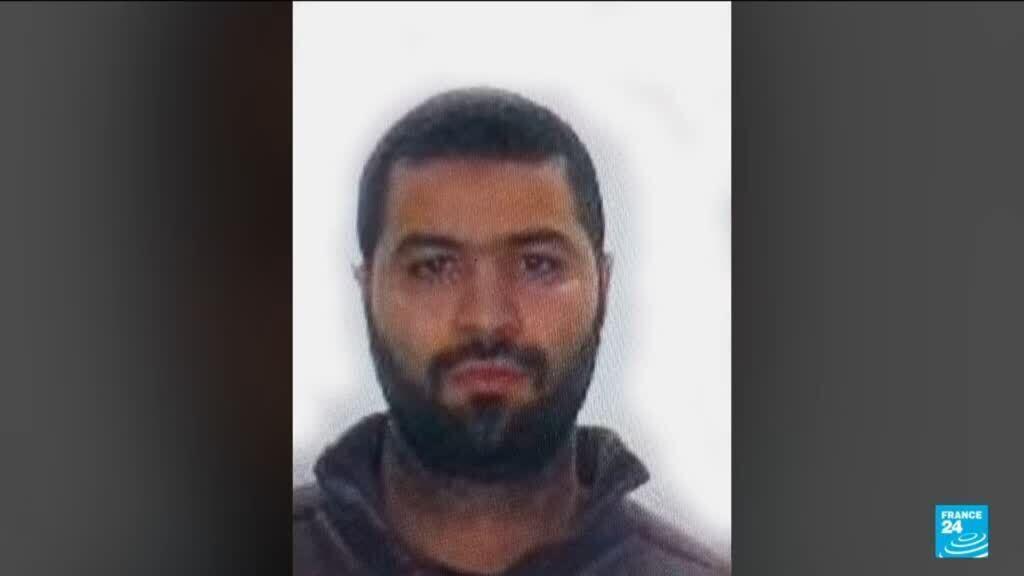
Mohamed Bakkali, a man found guilty of coordinating logistics for the devastating 2015 Paris attacks, is currently facing the possibility of parole in Belgium. Despite receiving a 30-year sentence in France and being mandated to serve a minimum of 20 years, his early release is being considered by Belgian authorities, raising significant concerns among the victims and their families.
The decision regarding Bakkali's potential release is set for September 29. This situation has ignited a wave of anger and frustration within the community, particularly among those directly affected by the Paris attacks. The heinous acts that unfolded on that fateful day left deep scars on the lives of many, and the thought of a key player in the logistics of such terror being monitored electronically rather than incarcerated has been met with strong opposition.
Prosecutors have voiced their discontent with the notion of Bakkali's release, arguing that it is entirely inappropriate given the gravity of his crimes. Bakkali's conviction stems from his role in facilitating and organizing key operational aspects of the attacks that resulted in numerous deaths and injuries. Many believe that his early release would undermine the severity of the acts committed and could potentially set a dangerous precedent.
Victims' advocacy groups and families have rallied against the potential decision, expressing their fears and distrust in the justice system. The emotional and psychological toll of the attacks is still fresh for many, and the idea of Bakkali being granted the privilege of living in society, albeit under electronic surveillance, has compounded their trauma.
Bakkali's case highlights ongoing discussions about terrorism-related offenses and the appropriate legal repercussions for such acts. Some argue that individuals involved in terrorist activities should face longer sentences without the possibility of early release, while others express concerns about the rehabilitation opportunities for offenders, emphasizing the need to balance justice with humanity.
The developments surrounding Bakkali's potential parole raise questions about public safety and the implications of releasing individuals connected to such serious crimes. As the date for the decision approaches, eyes will be on the Belgian authorities to see how they navigate this complex situation. The ruling will not only impact Bakkali's fate but also resonates deeply with a society still grappling with the aftermath of terror.