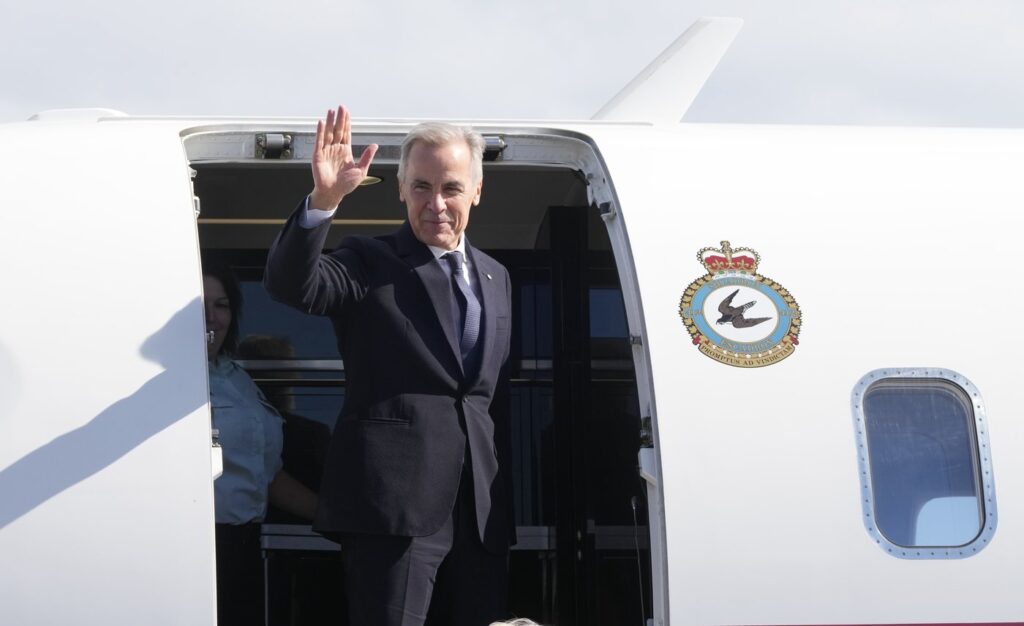
OTTAWA – Parliament is set to reconvene on Monday after a three-month recess, with pressing issues such as the escalating trade conflict with the United States and Prime Minister Mark Carney's initiative to solidify closer relations with the European Union at the forefront of discussions.
Public sentiment appears to be supportive of Carney's international strategies; however, political analysts, like Daniel Béland from McGill University, caution that the Liberal Party may face vulnerabilities in terms of affordability issues. Béland emphasized that while there is significant backing for Carney's actions on the international stage, the Liberals must ensure they do not provide the Conservative Party with openings to criticize them regarding the economy and the cost of living.
In response to criticism over his frequent international travels and subsequent absences from the House of Commons, Carney stressed the importance of balancing domestic parliamentary responsibilities with international commitments. During a news conference, he stated, “You can do both. I have to do both. And I am doing both.” His remarks followed a busy Sunday spent meeting with Norwegian Prime Minister Jonas Gahr Store in Ottawa and visiting Saint-Pierre and Miquelon to engage with French President Emmanuel Macron.
Carney reaffirmed his government's focus on “building Canada strong” while addressing significant global challenges. He also mentioned that the House of Commons will have the opportunity to debate and vote on any proposed alliances stemming from his recent engagements, which includes the potential for Canada to become the first “associate member” of the European Union—a concept that currently does not exist.
This move towards closer ties with Europe signifies a strategic pivot for Carney amidst a deteriorating relationship with the United States, particularly after trade discussions stalled in August. Carney had to suspend negotiations just prior to a U.S. tariff deadline, as the U.S. presented demands that were unacceptable to Canada, including restrictions on language rights and trade agreements with other nations.
The relationship became increasingly strained after U.S. President Donald Trump warned that Canada seeking associate membership in the EU could be viewed as a “hostile act.” As Parliament reconvenes, Carney continues to focus on international affairs, which he believes enhances Canada’s global standing.
On Friday, while speaking to his caucus, Carney outlined that this parliamentary session would be crucial, highlighting plans for significant legislation intended to streamline infrastructure project reviews through the proposed Building Canada Strong Act. Government House Leader Steven MacKinnon confirmed that substantial economic legislation will be a key focus, although he did not provide detailed specifics.
Political experts note that the suggested changes to the Labour Code, aimed at minimizing federal intervention during strikes, could become contentious. New legislation is expected to be introduced by Jobs Minister Patty Hajdu, who emphasized the importance of reducing government involvement in labor disputes.
As the Liberals return to Parliament with a slim majority, they’ve also gained three new Members of Parliament (MPs) after performing well in by-elections on August 31. These new additions include Braeden Caley from North Vancouver-Capilano, Tanveer Shahnawaz from Beaches-East York, and Daniel Gobeil from Chicoutimi-Le Fjord, contributing to the party’s overall strength.
Conversely, the Conservative Party is grappling with internal challenges and public concerns about economic issues. Conservative Leader Pierre Poilievre criticized Carney for allegedly conducting secret negotiations with the EU, fearing complications such as EU taxes and regulations creeping into Canadian law and immigration policy.
Despite the Conservatives' internal struggles, which include the resignation of several MPs and public disputes over party direction, Béland suggests that Carney's international engagements and criticism of the Trump administration create a rallying effect, making it challenging for the Conservatives to gain political traction against the Prime Minister.
The New Democratic Party (NDP) also faces a weakened position with the resignation of key MP Alexandre Boulerice and the recent defection of Nunavut MP Lori Idlout to the Liberals. The NDP aims to focus on member engagement and rebuilding, as current leader Avi Lewis has yet to secure a seat in the House of Commons.
Béland notes that the NDP's challenges could provide the Liberals more freedom to propose controversial ideas, such as privatizing operations at Canada’s major airports, reflecting a shift towards the center-right in Liberal policy. However, he warns that the government must remain cautious and not become too overconfident, lest they introduce proposals that might provoke public backlash.