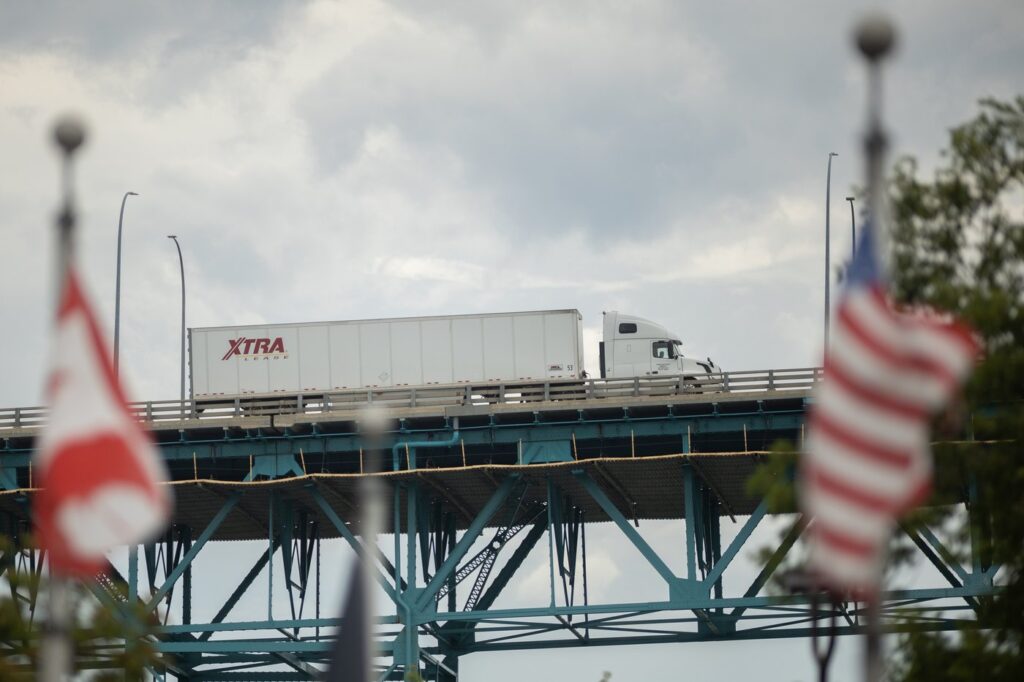
TORONTO — Ontario is set to implement standardized entry-level training for commercial truck drivers following a rigorous audit that highlighted serious deficiencies in the province's oversight of training and licensing programs. The initiative comes in response to recommendations made by auditor general Shelley Spence in a special report released earlier in the spring.
Transportation Minister Prabmeet Sarkaria announced that the new training program will require over 103 hours of instruction before an individual can acquire a Class A licence. This move aims to ensure that new drivers are adequately trained and prepared for the challenges of operating commercial vehicles on the road.
Additionally, the new curriculum under consideration will encompass crucial training topics such as fatigue management, driving in northern rural and remote areas, awareness of human trafficking, and mandatory training for air brake systems. The curriculum is expected to come into effect next year, reflecting an urgent need for improved standards in driver training.
Auditor General Shelley Spence's report revealed alarming findings about the current state of training programs offered by private career colleges in Ontario. Investigators working undercover found that these institutions often neglected to meet the minimum required training hours and skills necessary for graduation. In her findings, Spence emphasized that many individuals on the road were unqualified to drive commercial trucks, resulting in an increased risk of accidents.
Spence's investigation specifically pointed out that commercial truck drivers contribute disproportionately to road fatalities, a situation that is particularly critical in Northern Ontario. It was discovered that two career colleges, which were examined as part of the audit, failed to provide the mandated minimum of 103.5 training hours and neglected to teach essential skills like making left turns at major intersections, emergency stops, and reverse parking.
Moreover, Spence highlighted that the provincial government had not inspected a significant number of career colleges; 54 out of 216 colleges that offered truck driver training were not subject to any audits. This lack of oversight has compounded concerns about training quality and road safety.
In light of these revelations, the Ontario government accepted the recommendations made by Spence and launched a comprehensive review of all career colleges involved in commercial driver training. This oversight initiative aims to mitigate the risks associated with poorly trained drivers and enhance overall public safety.
Communities and organizations in Northern Ontario have long advocated for improved standards in truck driver training. In response to these concerns, the province has also introduced several measures designed to enhance road safety. These measures include instituting a mandatory waiting period before drivers can attempt their Class A road test, increasing the number of transportation enforcement officers by 131, and raising fines for distracted driving offenses among commercial drivers.
The province has expressed its commitment to collaborating with industry stakeholders, career colleges, and other experts to ensure the development of a robust and effective training curriculum. This collaborative approach aims to enhance the quality of training and ultimately improve road safety for all Ontarians.
This restructuring of the training regimen for commercial truck drivers illustrates Ontario's proactive stance on addressing critical public safety issues related to transportation. The government’s initiative is a significant step toward ensuring that drivers are well-equipped with the necessary skills and knowledge to navigate the complex demands of driving commercial vehicles.