On the streets of France, a wave of student protests has emerged as teenagers express their dissatisfaction with various educational grievances. Since last week, students have been blockading their schools, demonstrating their concerns over issues that significantly impact their academic experience. One of the focal points of these protests is the overcrowded classroom situation, which has become increasingly untenable for both students and teachers alike.
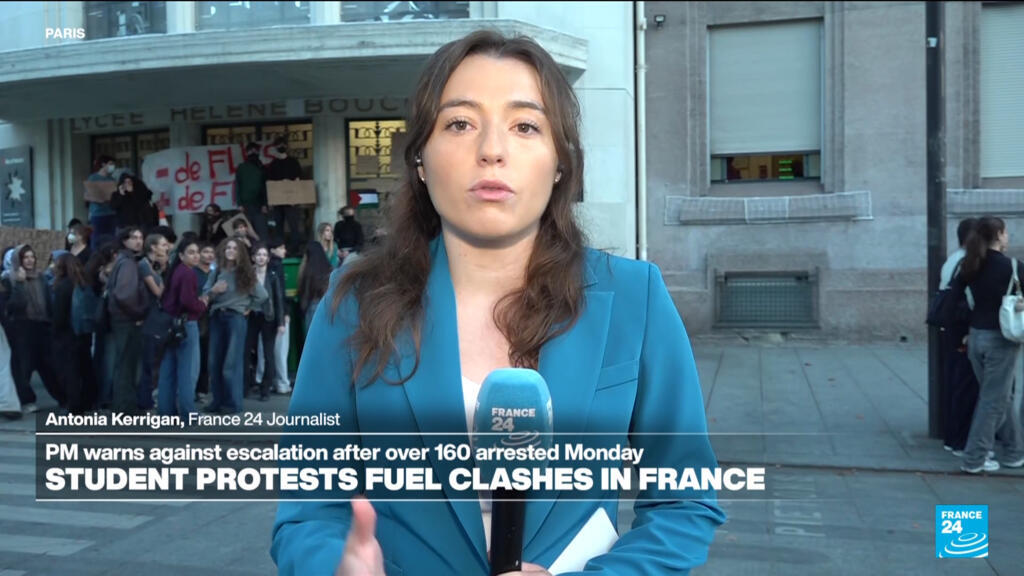
At the Lycée Hélène Boucher in Paris, FRANCE 24 journalist Antonia Kerrigan reported firsthand the sentiments shared by students. Many expressed their frustration about class sizes exceeding 36 students, which poses a considerable challenge for effective learning and individualized attention from instructors. This overcrowding not only hampers the ability of students to engage in meaningful discussions but also places immense pressure on teachers who are tasked with delivering quality education in an environment that is becoming more chaotic and less conducive to learning.
The protests illustrate a broader discontent with the French educational system, highlighting various systemic issues such as lack of resources, insufficient support for teachers, and outdated facilities. Students argue that these factors contribute to a declining quality of education, which ultimately hinders their ability to succeed academically. The large class sizes have been a recurring theme in many school discussions, with students calling for immediate reforms to address this pressing issue.
In addition to classroom sizes, the demonstrations also encompass complaints about the general management of schools and the overall educational framework in France. Students have voiced their need for better mental health support, more extracurricular opportunities, and improvements in school facilities, which they believe are essential for their development and well-being. The protests serve as a platform for students to make their voices heard, as they demand a more responsive and effective educational system that meets their needs.
The mobilization of students has drawn attention from various stakeholders, including educators, parents, and educational authorities. These protests are not merely localized to one school or city; they reflect a nationwide sentiment that resonates across France. The scale of these demonstrations signifies the urgency with which students want their grievances addressed, and they are hopeful that their actions will provoke discussions leading to tangible changes in policy.
As the protests continue to unfold, it is clear that the collective voice of the students is gaining momentum. The narrative surrounding education in France is shifting as young individuals actively participate in advocating for their rights. This movement is a reflection of their desire for an educational system that not only prepares them academically but also supports their overall growth as individuals.
With students at the forefront of these protests, the need for dialogue between them and educational authorities has never been more crucial. The ongoing demonstrations serve as a testament to the power of youth activism in bringing about change. As the Lycée Hélène Boucher case exemplifies, the issues at hand are complex and multifaceted, requiring a concerted effort from all parties involved to find viable solutions.
The culmination of these protests is indicative of a generation that is unwilling to accept the status quo and is ready to challenge the system in pursuit of a better future for themselves and those who will follow in their footsteps. The actions of French teenagers today will likely influence the educational landscape of tomorrow, making it imperative for decision-makers to listen and act accordingly.