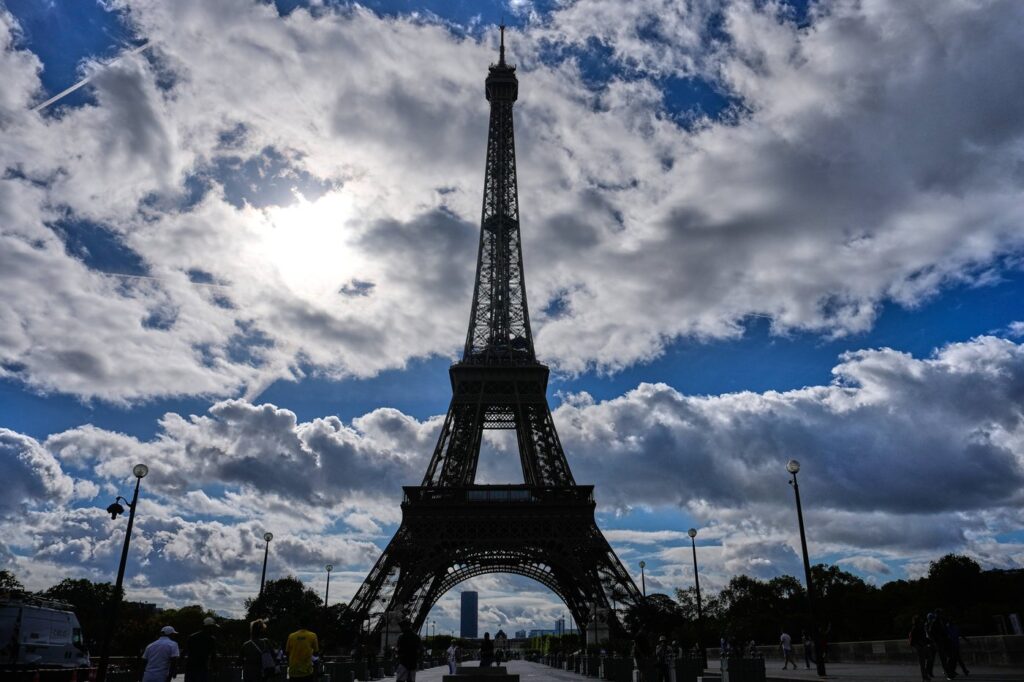
PARIS (AP) — The director general of the company managing the Eiffel Tower, Patrick Branco Ruivo, will resign at the end of the year following an incident involving the exclusion of female staff during a visit from a Hindu religious delegation. The visit, which took place on September 5, sparked a significant controversy after an independent investigation revealed several operational failures related to the event.
The Société d’Exploitation de la tour Eiffel (SETE) issued a statement describing the exclusion of female employees from the visit as an "unacceptable situation." Ruivo, who has held the position since late 2018, will be stepping down as the fallout from the incident continues.
The iconic Eiffel Tower, which sees approximately 7 million visitors annually, had to close on September 7 due to a staff strike. This strike was in direct protest against what a union official described as “unacceptable” management directives. Employees expressed frustration after being instructed that female workers should not engage with the delegation from Bochasanwasi Shri Akshar Purushottam Swaminarayan Sanstha, commonly known as BAPS.
BAPS is an international religious and civic organization belonging to the Swaminarayan sect of Hinduism. The group had visited Paris to celebrate the inauguration of a traditional Hindu stone temple. In response to the incident, BAPS issued a statement explaining that the coordination regarding female staff was purely logistical, aimed at ensuring a smooth visit without inconveniencing the Tower's employees or visitors. They emphasized that the request was not based on gender considerations.
In light of the incident, Ariel Weil, the chair of SETE, announced on Tuesday that he has requested the implementation of measures and training programs aimed at promoting gender equality within the organization. This move is part of a broader effort to address the operational failures highlighted by the investigation.
The Eiffel Tower has had a history of closures due to industrial actions. Notably, it was closed for six days in February 2024 when employees protested for better maintenance of the historic structure and for higher wages. The strikes and controversies surrounding its operation reflect ongoing tensions between management and staff regarding working conditions and policies.
The current situation has raised questions about workplace gender dynamics and operational transparency at one of the world's most recognized landmarks. With Ruivo's resignation, SETE will be under pressure to reassess its policies and practices to prevent similar incidents in the future.