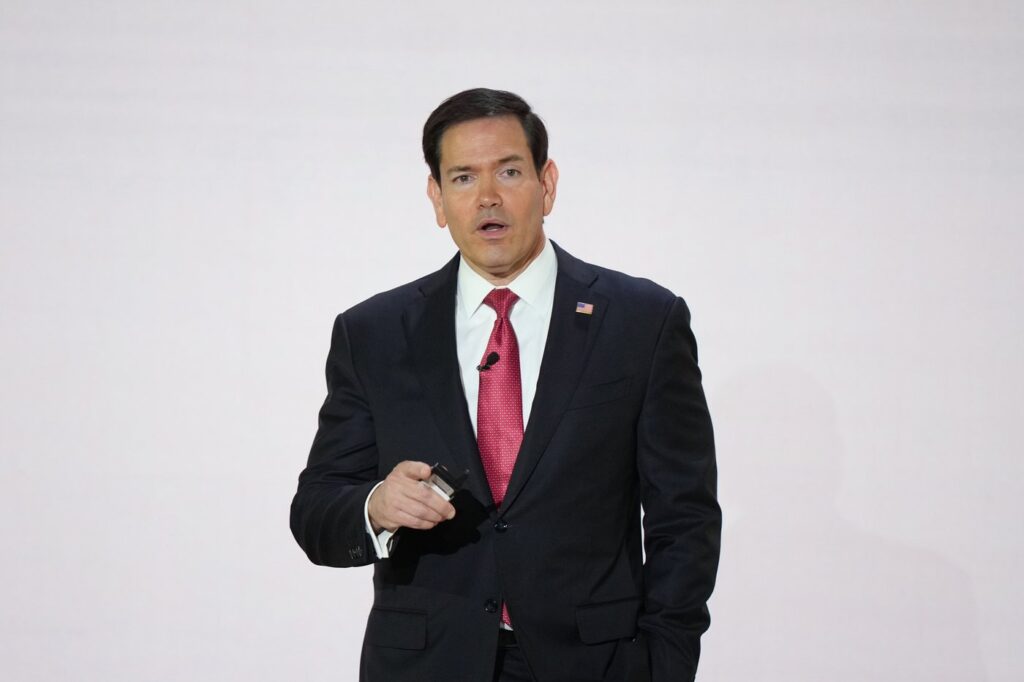
On Thursday, Secretary of State Marco Rubio announced a waiver for $320 million in military aid to Egypt, previously withheld due to human rights concerns. The waiver was granted in light of Egypt's contributions to U.S. national security, especially its role in addressing issues related to Iran since the beginning of the ongoing conflict earlier this year.
The State Department stated that Rubio's decision was made "in the interest of U.S. national security." It emphasized that the waiver recognizes Egypt's importance to U.S. interests in the region, along with the "concrete security cooperation" provided by Egypt. The Secretary's determination was conveyed in a letter to lawmakers, which highlighted Egypt's "helpful role" in the ongoing war with Iran.
Egypt has emerged as a critical mediator between the United States and Iran, especially as diplomatic efforts continue to de-escalate the conflict that has lasted over seven months. The State Department noted that the current administration will keep human rights discussions as part of its broader dialogue with Egypt, addressing concerns across various issues in their bilateral relationship.
The $320 million falls under an annual U.S. financial commitment of approximately $1.3 billion to Egypt, which includes both economic and military assistance. Specifically, this funding is allocated for foreign military financing, enabling recipient countries to purchase military hardware produced in the United States.
However, Congress included stipulations for withholding aid due to severe human rights violations alleged against the Egyptian government, which includes credible reports of torture, arbitrary arrests, child labor, and restrictions on freedom of expression. Despite these concerns, waivers for Egypt have been routinely granted by both Republican and Democratic administrations.
Notably, the Biden administration last issued a waiver in September 2024, citing Egypt's role in efforts to resolve the Israel-Hamas conflict in Gaza. This pattern of granting exemptions reflects the ongoing geopolitical calculations and security partnerships that shape U.S. foreign policy in the Middle East.
The decision is indicative of the balancing act that U.S. officials must perform, weighing human rights issues against national security interests. As the situation in the region develops, the U.S. continues to rely on strategic allies while navigating complex human rights challenges.