Macron's Visit to Spain: Strengthening Bilateral Ties in a Changing Europe
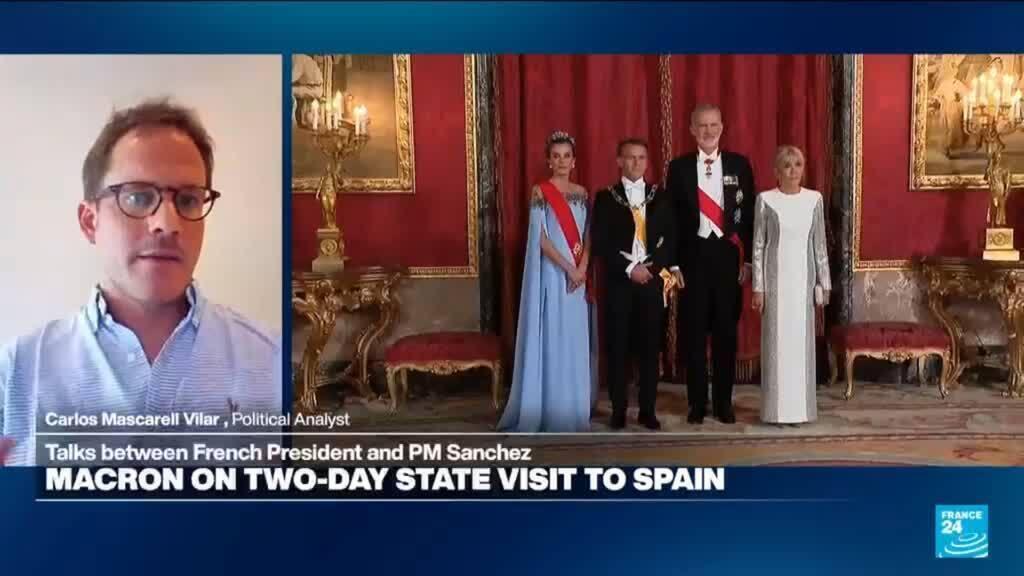
Delano D'Souza recently welcomed Carlos Mascarell Vilar, a renowned political scientist based in Spain, to discuss the implications of French President Emmanuel Macron's visit to Spain. Vilar emphasizes that the visit must be interpreted through the lenses of European power dynamics, historical political legacies, and the evolving geoeconomics that characterize the continent today. As Europe navigates a rapidly shifting geopolitical landscape, particularly with the rising influence of Eastern European countries like Poland, the significance of this visit becomes increasingly clear.
The dialogue between France and Spain is set against a backdrop of changing power equilibria within Europe. This is particularly relevant as nations in the East assert more influence, prompting traditional powers like France and Spain to reassess and reinforce their bilateral relationship. For Macron, enhancing the Madrid-Paris axis is not merely an exercise in diplomacy but a strategic maneuver to solidify an anchor of stability in an evolving European Union.
One of the focal points of the discussion is the broader objective of advancing European defense and strategic sovereignty. In recent years, the concept of European autonomy in defense matters has gained traction, especially in light of global security threats and the unpredictability of international relations. Macron's visit to Madrid symbolizes a commitment to this vision, as France and Spain aim to present a unified front in addressing the challenges that confront Europe today.
Vilar points out that the strengthening of Franco-Spanish ties is critical not only for regional stability but also for the collective influence of these nations within the European Union. Both countries share a history of collaboration in various fields, from economic partnerships to cultural exchanges. However, the urgency of the contemporary geopolitical environment underscores the need for a more robust and cohesive strategy. The growing competition from Eastern European nations, along with their increasing assertiveness in EU policymaking, poses challenges that necessitate a stronger alliance between France and Spain.
The visit is also significant in light of Macron's aim to position France as a leader in driving European integration forward. By fostering deeper ties with Spain, Macron hopes to create a counterbalance to the shifting dynamics that Eastern European nations bring to the table. This collaborative approach is vital for ensuring that the foundational principles of the EU, including solidarity and cooperation, remain intact in the face of rising nationalism and fragmentation within the bloc.
Moreover, Macron's strategy aligns with recent European initiatives that seek to enhance defense capabilities and operational readiness among EU member states. As Europe grapples with external threats, notably from neighboring regions, the collective security of member states relies heavily on the ability to collaborate effectively. Thus, the strengthening of bilateral ties between France and Spain during this visit may serve to catalyze broader initiatives aimed at achieving European strategic independence.
In conclusion, the nuances of Macron's visit to Spain illustrate the intricate dance of power, legacy, and economics that characterizes contemporary European politics. As France and Spain work to reinforce their relationship amid shifting global dynamics, their collaboration may emerge as a pivotal element in the quest for a more unified and strategically autonomous Europe. The dialogue initiated during this visit is representative of the fundamental changes underway in European geopolitics, highlighting the importance of adaptability and solidarity among nations in a complex international landscape.