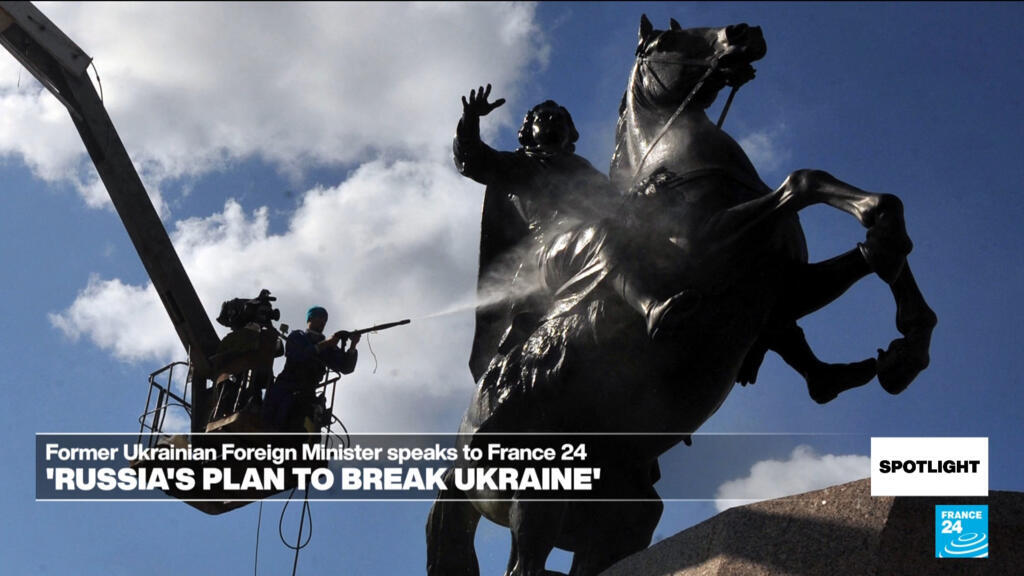
The Bronze Horseman, an iconic equestrian statue situated in Senate Square in St. Petersburg, stands as a tribute to Peter the Great, the founder of the city. This grand edifice was commissioned by Catherine the Great and features a simple yet powerful dedication: "To Peter the First, Catherine the Second, 1782." The statue symbolizes the enduring legacy and significant historical impact of both Peters in Russian history.
In contemporary discussions, there are rising speculations about whether Vladimir Putin harbors ambitions to be recognized as the third figure of note, potentially earning the title "Vladimir the Great." Such aspirations could shape the national narrative under his leadership and contribute to the motivations behind his geopolitical strategies, particularly concerning Ukraine.
Former Ukrainian Foreign Minister Dmytro Kuleba has articulated a perspective that suggests Putin's actions are driven by a desire for historical recognition. Kuleba asserts that "Putin only cares about what will be written about him in history books." This statement encapsulates a broader analysis that views the current conflict in Ukraine not merely as a territorial dispute but as a manifestation of Putin's quest for significance in the annals of Russian history.
Putin's ambitions appear to intertwine with a historical narrative that glorifies a vision of a greater Russia—a theme that consistently recurs in his rhetoric and public statements. By invoking images of Peter the Great and a legacy of expansionism, it is posited that Putin is attempting to position himself within a historical continuum that emphasizes strength, territorial integrity, and national might.
The ongoing war in Ukraine, therefore, might be seen not solely as a military campaign but as a manifestation of a deeper ambition. Arguably, Putin's actions could reflect his desire to restore a sense of Russian greatness reminiscent of the imperial past. This aligns with a broader nationalist sentiment that has gained traction under his administration. By aiming to reclaim "lost" territories and influence, Putin seeks to reinforce this narrative while simultaneously attempting to secure his legacy.
Moreover, this ambition for historical recognition significantly impacts the geopolitical landscape in Eastern Europe. The conflict has generated international tensions, with many countries rallying to support Ukraine in the face of aggression. The actions taken by Putin not only resonate within Russia but also have far-reaching implications, challenging global stability and inviting scrutiny from nations around the world.
As tensions endure and the war continues, the question of historical legacy remains pivotal. Thus, the perception of Putin as a historical figure could become a central theme in understanding the motivations driving the ongoing conflict. It raises significant considerations about how leaders in power engage with history to justify contemporary actions and foster national identity.
In summary, the Bronze Horseman represents more than just a statue; it symbolizes an enduring connection to Russia's past. In the current context, it can be argued that Vladimir Putin’s desire for a place in history, possible ambitions for expansion, and acknowledgment as "Vladimir the Great" are integral to understanding the complexities behind the war in Ukraine. The pursuit of historical standing may well serve as a potent catalyst, shaping actions and decisions on the world stage.