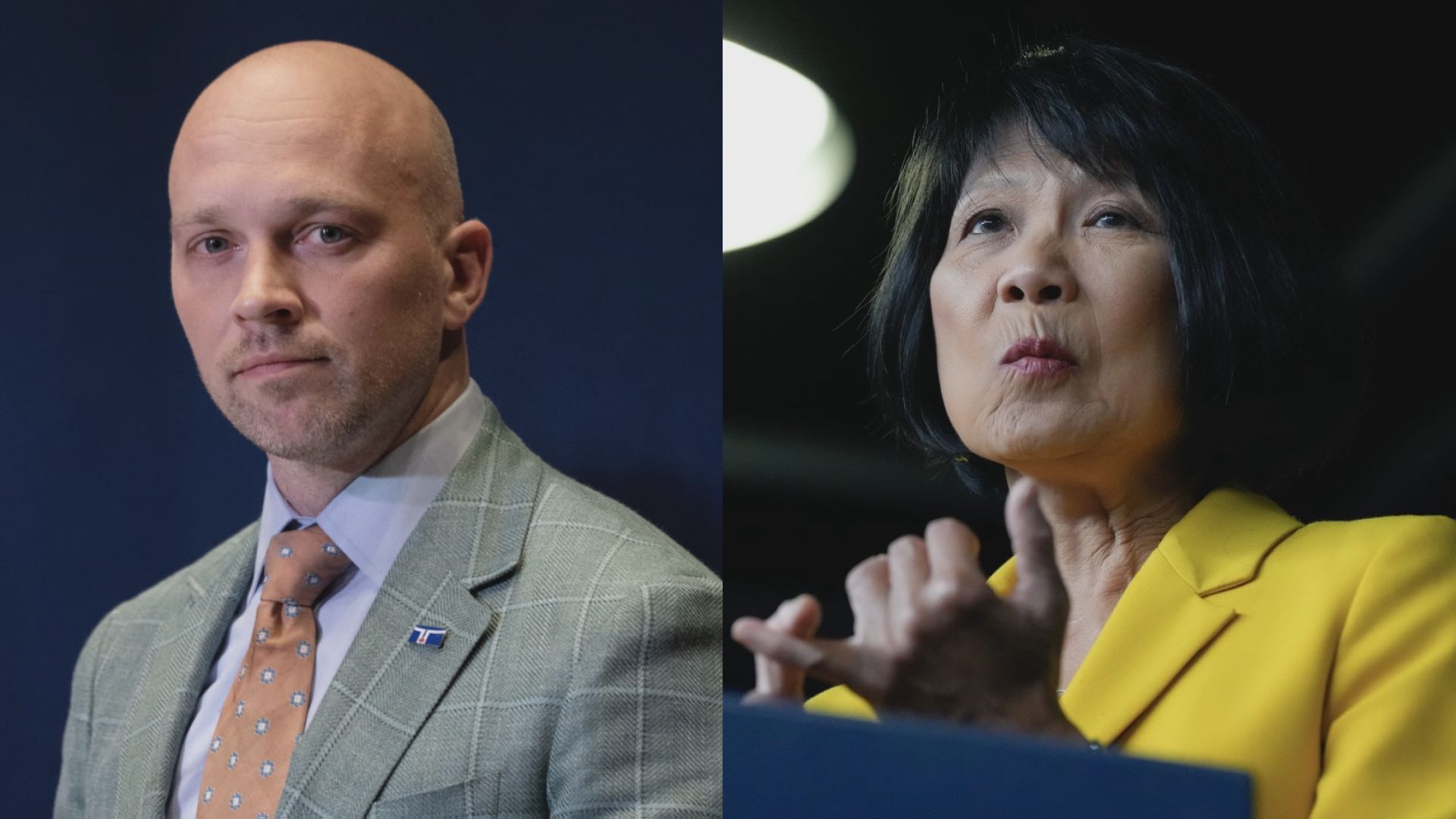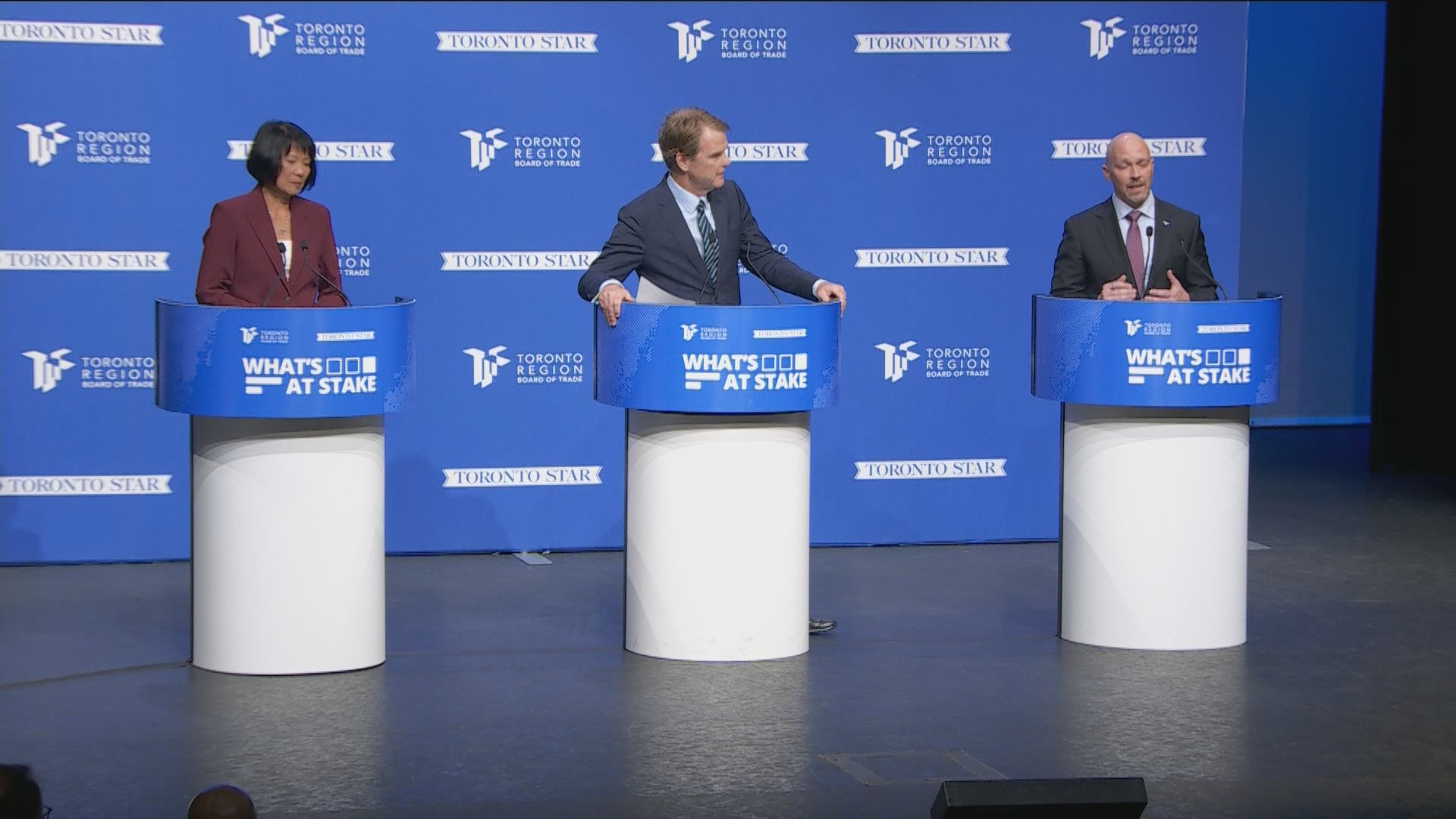
During the first debate since Chris Alexander exited the Toronto mayoral race, candidates Olivia Chow and Brad Bradford clashed over various critical issues affecting the city. The debate was organized by the United Way and took place at Toronto Metropolitan University.
The candidates faced a range of questions addressing the pressing concerns of Torontonians, including topics such as affordable housing, public safety, transportation, and services for newcomers.
Bradford and Chow Clash Over Housing Strategies
A significant portion of the debate was centered on Toronto's housing crisis, where Brad Bradford criticized Chow's housing policies. He pointed out that Chow had previously vowed to construct 65,000 purpose-built rental homes by 2030, yet only 1,500 had been built, which he noted is just 2 percent of her target. Bradford asserted that if the current pace continued, it would take an additional 115 years to meet the goal.
In retaliation, Chow accused Bradford of facilitating the increase in development charges during his tenure. She stated, "Under your watch, building homes got a lot more expensive," emphasizing that Bradford had been part of the problem he now critiques.
Affordability Debate: Trust Issues Emerge
The conversation shifted to affordability when Chow challenged Bradford on his plans, claiming his proposals would lead to cuts in essential services like libraries, public transit, and affordable housing. "For years, Councillor Bradford raised transit fares and cut services," Chow remarked. She questioned how constituents could place their trust in him given his track record.
Responding to Chow's allegations, Bradford suggested it was time to modernize the city's budgeting process through an independent line-by-line review, which he indicated had not been done in 15 years. Bradford insisted he could fund capital projects without cutting frontline services.
Chow Critiques Bradford’s Voting Record
Chow continued to critique Bradford’s voting history, particularly regarding supportive housing, claiming he had opposed new shelters. "You talk a lot about change, Councillor Bradford, but it’s clear the only thing you ever changed is your mind," she asserted, deeming his record as insufficient.
Bradford countered by criticizing Chow's effectiveness in combating homelessness, expressing the need for quicker action and focused leadership to provide essential housing.
Transit Safety and Policy Disputes
Discussion then moved to transportation, where Chow criticized Bradford’s policies on the Toronto Transit Commission (TTC), stating that his decisions led to fare increases and service reductions. She highlighted her own efforts to restore service and improve transportation infrastructure.
Chow promised initiatives like introducing more smart traffic lights and expediting construction processes to mitigate traffic issues. Bradford, however, pointed out that safety, reliability, and cleanliness were the primary concerns of those hesitant to use the TTC rather than fare prices. He proposed increasing security through uniformed officers and enhancing standards of cleanliness across the transit system.
The debate also touched on bike lanes, with Chow accusing Bradford of inconsistency regarding his support. Bradford rebutted by asserting that Chow’s focus on fearmongering would not address the transit issues effectively, claiming that under her leadership, TTC ridership had seen a decline.
As the debate concluded, both candidates reinforced their contrasting views on how to address the critical issues facing Toronto, particularly housing and transportation, with each accusing the other of failing to deliver effective solutions. Ultimately, the debate showcased the fundamental differences in their approaches as they vie for the position of mayor.