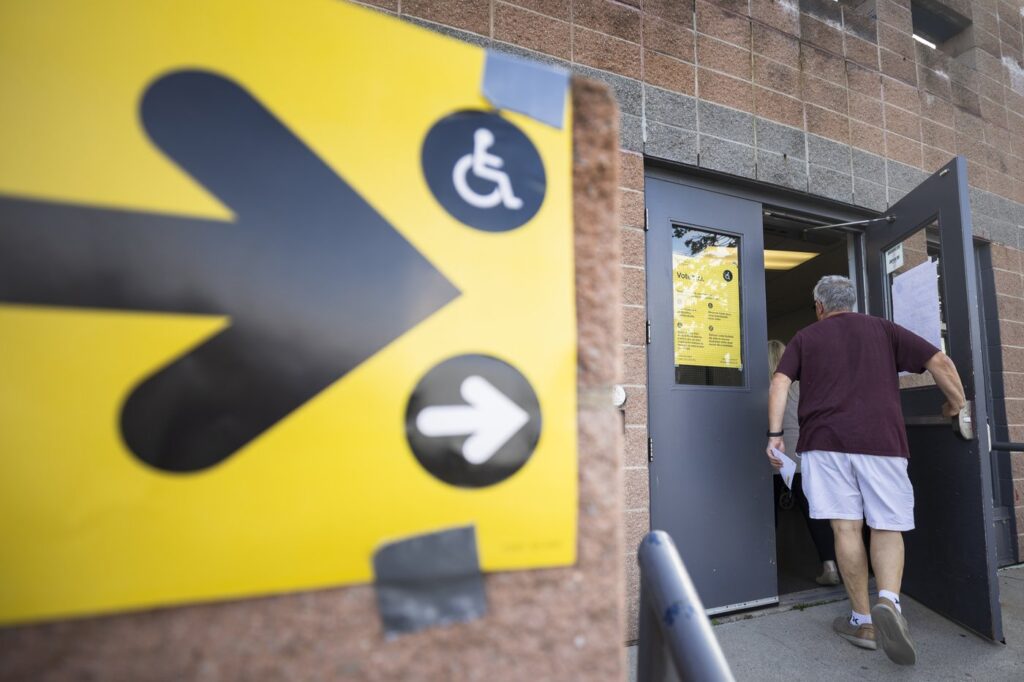
A blind voter has brought a serious concern before the Ontario Human Rights Tribunal regarding the inadequacies in ensuring accessible voting for individuals with disabilities. The case revolves around the allegations made by David Lepofsky, a prominent accessibility advocate and retired lawyer, who claims that Elections Ontario has failed to provide an environment where he can mark and cast his ballot independently and privately.
Lepofsky, who has a long history of advocating for the rights of blind individuals, filed a human rights complaint over seven years ago. This complaint stemmed from an incident that occurred during the 2018 Ontario election, when he attempted to use the assistive voting terminal designed for voters with disabilities. Unfortunately, a poll worker inadvertently observed which candidate he voted for, thus breaching his privacy.
During the tribunal hearing, Lepofsky emphasized that Elections Ontario did not take adequate measures to ensure accessible voting both prior to and following the incident he experienced. He sees this lack of action as a continuing violation of human rights regarding equitable treatment under the Ontario Human Rights Code. Lepofsky's complaint centers on the fact that he was not provided with the necessary accommodations that would allow him to exercise his voting rights without discrimination, given his total blindness.
Lepofsky articulated his demands clearly during the proceedings, stating that he is seeking an order that would obligate Elections Ontario to develop a comprehensive action plan aimed at achieving accessible voting not only for himself but for all blind voters facing similar challenges. He also requested that an official monitor be appointed by the tribunal to facilitate and oversee this process, underlining the importance of accountability in ensuring that changes are implemented effectively.
As the hearing progresses, it is anticipated to take place over several days, allowing both Lepofsky and Elections Ontario to present their arguments and evidence. Final submissions from both parties are expected later in the month, marking an important step in the ongoing quest for improved accessibility in the electoral process for individuals with disabilities.
The implications of this case are significant, highlighting not only the challenges faced by blind voters but also the wider issues of accessibility within the electoral system. The outcome may lead to essential changes that could improve the voting experience for countless individuals with disabilities in Ontario.