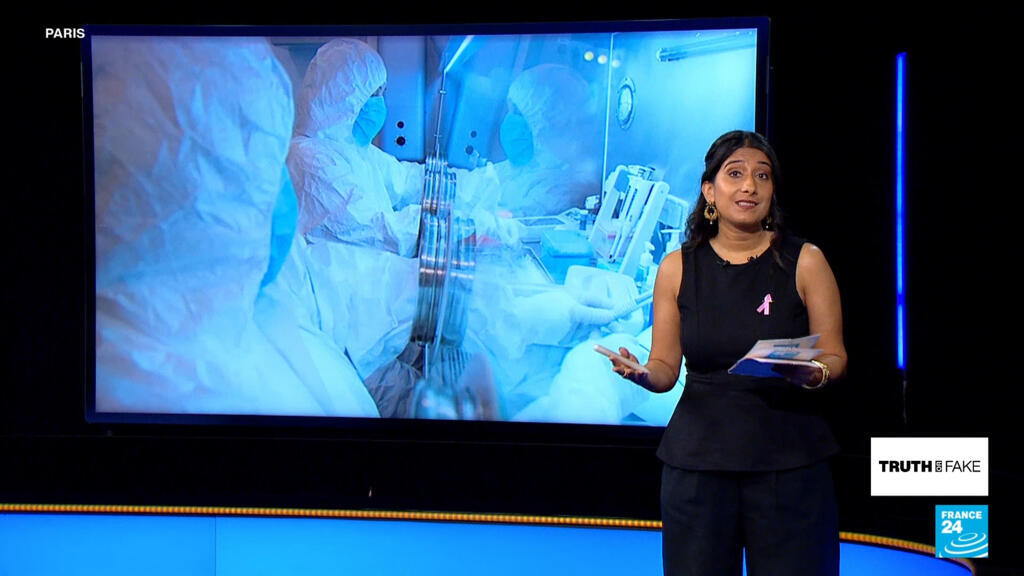
The recent death of a 28-year-old Russian lab worker at the Irkutsk Anti-Plague Research Institute in Siberia has triggered widespread panic online regarding a potential plague outbreak. Social media has been rife with speculation, fear, and misinformation, despite the World Health Organization (WHO) evaluating the public health risk in Russia as low. This incident has become a breeding ground for unverified claims and exaggerations, exacerbating public anxiety.
Reports indicate that the lab worker fell ill and subsequently died under circumstances that remain unclear. Some sources allege that the cause of illness was a laboratory accident involving a test tube, while others speculate about the possible release of a dangerous pathogen. These unsubstantiated narratives have been propagated by various online platforms, contributing to a sense of urgency and fear among netizens.
Alongside these claims, misleading posts and out-of-context videos have continued to circulate, further fueling speculation and panic. The combination of these elements creates a concerning landscape of misinformation, with individuals often reacting impulsively to alarming headlines and narratives. Notably, many of these pieces of information lack verified sources, highlighting the importance of critical examination in the age of rapid content sharing.
The WHO's assessment that the public health risk in Russia remains low underscores the need for restraint and responsibility in disseminating information. While the situation surrounding the lab worker’s death requires thorough investigation, the scientific community emphasizes that many inherent factors must be considered, and jumping to conclusions may lead only to unnecessary fear among the populace.
This incident also raises significant questions about laboratory safety protocols, especially those related to handling potentially lethal pathogens. Furthermore, this tragic occurrence serves as a reminder of the intricate balance between public health safety and the spread of information, particularly on social media platforms where misinformation can thrive and propagate more quickly than facts.
In the wake of the incident, it is critical for individuals to seek information from credible, verified sources, rather than succumbing to sensationalist narratives. This situation illustrates the challenges faced in public health communication, especially when dealing with incidents that trigger widespread concern. The role of media literacy in discerning factual information from misleading content cannot be understated, as it enables individuals to better navigate through the complexities of health-related news.
In conclusion, while the death of the lab worker is indeed tragic and warrants careful investigation, it is essential to approach the topic with a level-headed mindset, relying on verified information and expert guidance. Misinformation can exacerbate fear and panic, potentially counteracting public health efforts and complicating responses to actual health threats. The shared responsibility lies in promoting awareness and education about the importance of factual reporting and safe communication during crises.