Nobel Prize in Chemistry 2023 Awarded to Henri Kagan and Kenso Soai
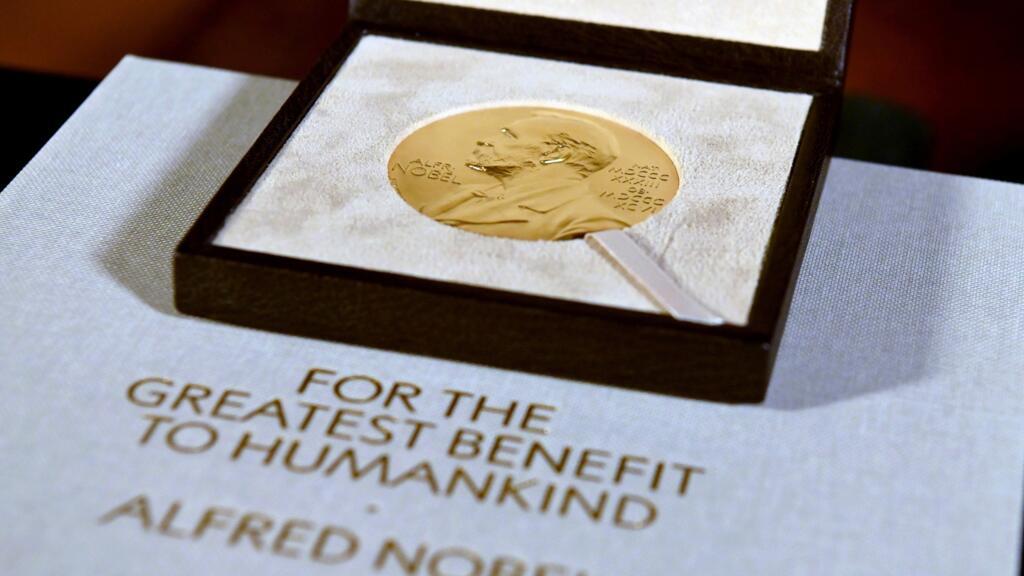
On Wednesday, the Royal Swedish Academy of Sciences announced the awarding of the 2023 Nobel Prize in Chemistry to Henri Kagan and Kenso Soai. The esteemed chemists received this prestigious recognition for their groundbreaking contributions to the field of asymmetric organic synthesis, specifically for their discovery of non-linear effects and autocatalysis.
Henri Kagan, a prominent figure in the field of organic chemistry, is known for his innovative approaches to stereochemistry and catalysis. His research has significantly advanced our understanding of asymmetric synthesis, which is essential for the development of pharmaceuticals and agrochemicals. Kagan's work has paved the way for creating molecules that exist in specific orientations, a critical aspect of ensuring the efficacy of many drugs.
Kenso Soai, a renowned Japanese chemist, is celebrated for his pioneering studies in the area of asymmetric autocatalysis. His discoveries have not only added new dimensions to the understanding of chemical reactions but have also introduced systematic methods for synthesizing chiral compounds. Soai's work has been instrumental in the advancement of synthetic chemistry, offering insights that have practical applications in the pharmaceutical industry.
The Nobel Prize in Chemistry is awarded annually, and this year’s recipients will each receive a monetary prize of 12 million Swedish kronor, which is approximately $1.2 million. This financial reward acknowledges not only the laureates' scientific achievements but also encourages continued research and development in the field of chemistry.
The recognition of Kagan and Soai highlights the importance of innovation in chemical research. Their work provides invaluable tools for researchers and industries focused on drug development, enabling the creation of more efficient and effective treatments. The significance of their discoveries extends beyond the laboratory, impacting how synthetic chemistry is approached in various fields.
Both Kagan's and Soai's research exemplifies the intersection of theory and practical application, embodying the spirit of the Nobel Prize. Their findings on non-linear effects and autocatalysis have opened new avenues for exploration, stirring interest in asymmetric synthesis among chemists worldwide. This recognition serves as a reminder of the dynamic nature of scientific research and the ongoing quest for knowledge and innovation.
In summary, the 2023 Nobel Prize in Chemistry not only honors the individual contributions of Henri Kagan and Kenso Soai but also emphasizes the collaborative and progressive nature of scientific discovery in chemistry. Their work represents a significant leap forward in the field and inspires future generations of chemists to explore, innovate, and contribute to this vital area of science.