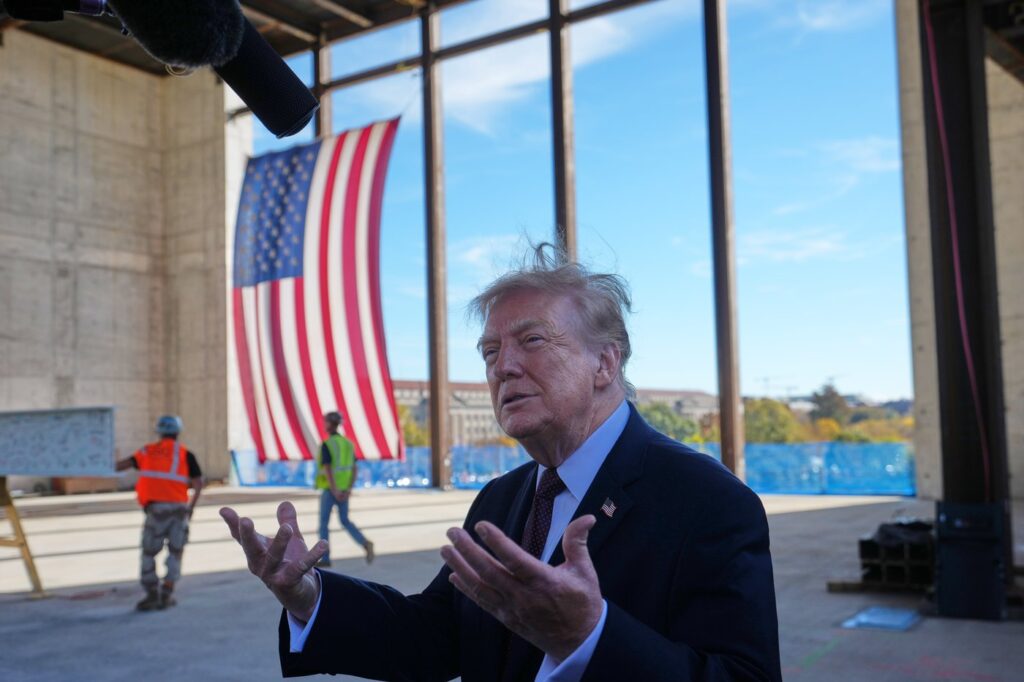
On Friday, President Donald Trump announced that Stephen Miller would replace Susie Wiles as White House chief of staff. This change signifies Trump’s intent to reinforce his "America First" agenda as he anticipates facing a newly empowered Democratic Congress in the coming year. Miller, a loyal and combative figure, has long been a vital member of Trump’s inner circle and is recognized as a key architect of the administration's hardline immigration policies.
Miller, who began his association with Trump as a speechwriter during the 2016 presidential campaign, has played various critical roles within the administration. Most recently, he served as White House deputy chief of staff for policy, overseeing wide-ranging issues but is especially noted for his immigration policy work. His appointment reflects Trump’s strategy to resist a conciliatory stance towards Democratic lawmakers, especially following significant Republican defeats in the recent midterm elections.
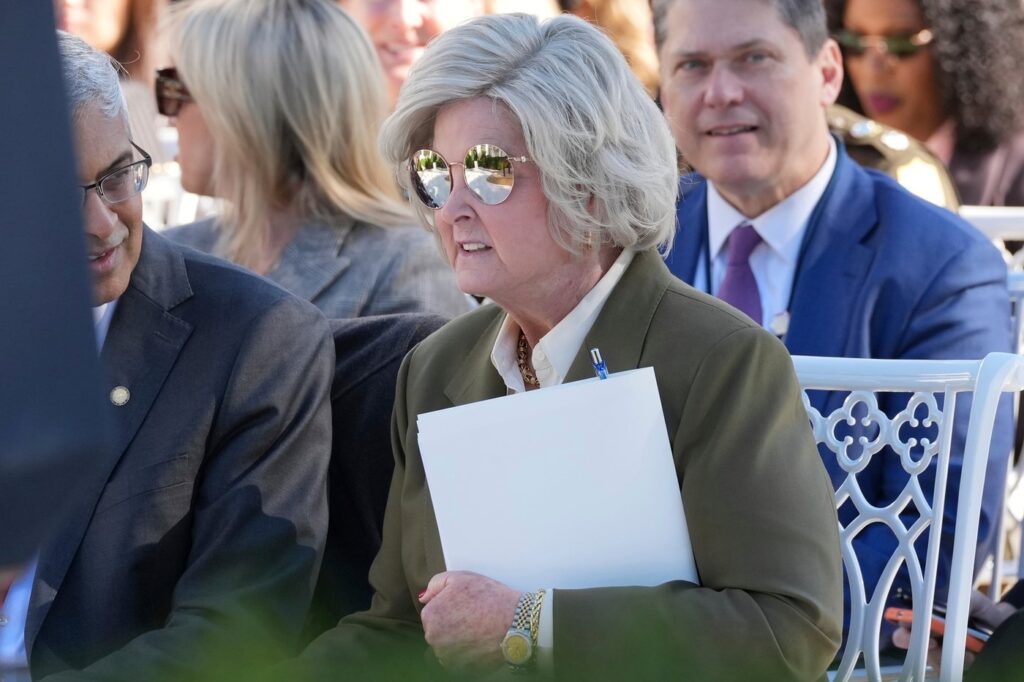
Following an exodus of senior aides amid a tumultuous period for the Trump administration, Wiles announced her resignation on Thursday evening. Trump expressed gratitude towards Wiles, acknowledging her contributions, and confirmed that she would continue to support his political organization. Wiles made history as the first woman to hold the chief of staff position in Trump’s administration, and she maintained the role longer than any of her predecessors.
In her farewell statement, Wiles emphasized her pride in her work with Trump, highlighting achievements such as securing borders and tax cuts. Wiles’ departure follows months after she publicly declared herself cancer-free after undergoing treatment for breast cancer. Despite her health battle, she continued to serve in her capacity throughout the midterm elections, showcasing her commitment to the administration.
Miller, however, is closely linked to immigration policies that some voters perceived as excessive, which became a contentious issue during the midterm campaign. He has been vocal against Democrats, often resorting to inflammatory rhetoric on social media and proposing unsubstantiated claims regarding election fraud. His leadership in various policy initiatives, including the controversial anti-fraud task force and oversight of significant immigration enforcement actions, may lead to heightened scrutiny as congressional investigations loom.
Following the announcement of Miller’s appointment, Rep. Robert Garcia, D-Calif., criticized Trump’s move as a defiance against the public's rejection of his presidency and called out Miller’s role in past administration actions that allegedly harmed communities. Garcia asserted that Miller’s problematic history in immigration policy would haunt him in any legal challenges he might face.
While praising Wiles for her role in Trump's campaign and administration, Trump also remarked on the necessity of making personnel changes. Among her notable achievements, Wiles is credited with leading one of Trump’s most disciplined campaigns in 2016, and her efforts reportedly earned her the title of overseeing the best-run campaign in Trump's history, as labeled by the president himself.
Despite her significant contributions, Wiles faced challenges balancing her personal health situation and the demands of the role, having initially revealed her diagnosis in March. Her under-the-radar management style sharply contrasted with Trump’s often chaotic leadership, and her ability to maintain order in the campaign and transition is frequently commended.
Wiles' management philosophy, which emphasized having a candid approach with the president, gained attention when she openly discussed her views in a series of interviews that shed light on her management style, even acknowledging the complexities of working with Trump. As both Wiles and Miller transition from their roles, it remains to be seen how these changes will impact Trump's strategy moving forward.
Trump’s choice of Miller indicates a willingness to double down on his existing policies and confront challenges head-on, even as congressional investigations begin to rear their head amidst ongoing political battles.