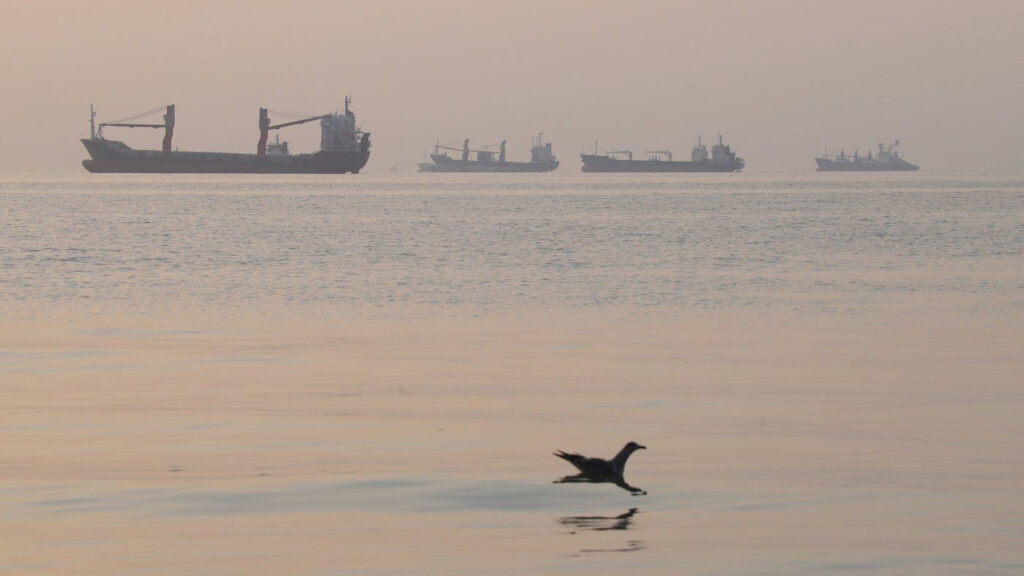
On a recent Saturday, U.S. Central Command announced the disabling of a St. Kitts-flagged ship that attempted to leave the region after visiting an Iranian port, having ignored multiple warnings. This incident highlights the ongoing enforcement of a naval blockade by U.S. forces around Iran, particularly in the strategic waters of the Strait of Hormuz, which are vital for global shipping, especially oil transport. Notably, the last confirmed U.S. strike against a cargo vessel occurred nearly a month ago in the Gulf of Oman.
The recent revelation follows several instances where U.S. Central Command chose not to announce military strikes in the region, despite local reports suggesting explosions. When questioned about these incidents, officials from Central Command declined to confirm the strikes. Concurrently, Iranian state media reported sounds of explosions on Qeshm Island in the Strait of Hormuz and at the port of Jask, though the immediate cause of these explosions was not clear. The U.S. military did not respond promptly to inquiries regarding these events.
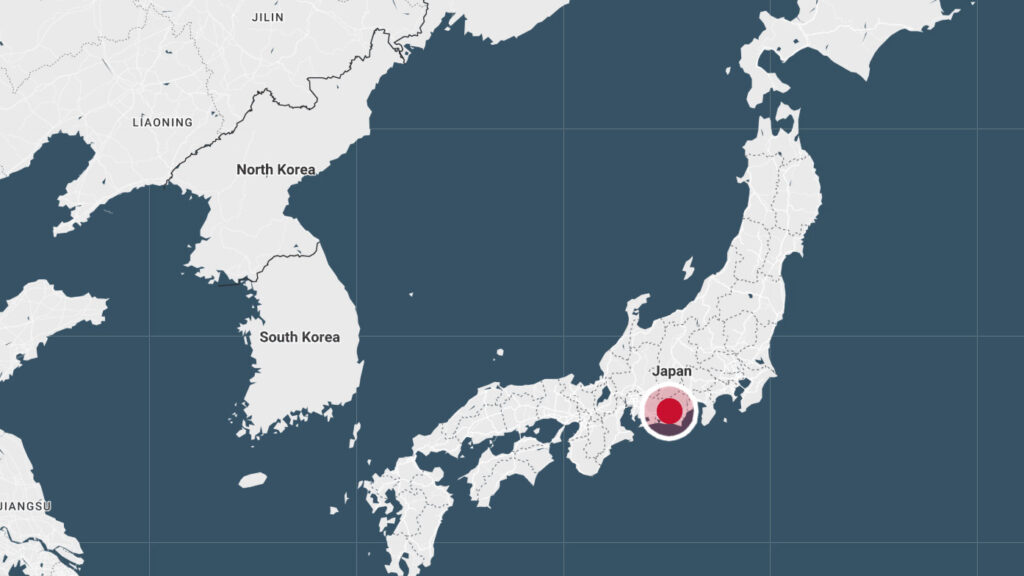
Additionally, the Iranian military reported that two tankers were damaged by mines in the Hormuz area, resulting in fires, but it did not specify the flags or intended destinations of the vessels involved. This series of incidents underscores the heightened tensions in the region, where military actions and allegations are increasingly frequent.
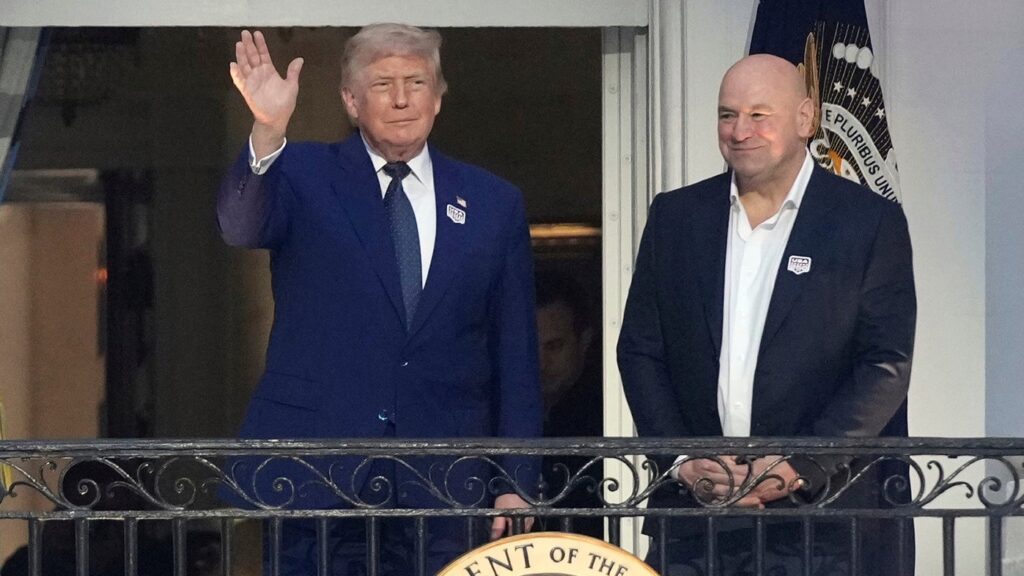
On the day before the U.S. Central Command's announcement, President Donald Trump indicated that the U.S. military had conducted new limited strikes targeting an Iranian air defense system. He described these military actions as "minor." However, U.S. Central Command did not immediately comment on this action, despite Trump’s confirmation. This lack of communication has led to speculation regarding the nature and scope of military activities in the area.
For weeks leading up to the announcement, President Trump had suggested a potential increase in military action against Iran after the U.S. midterm elections held on November 3. The geopolitical climate remains tense, with concerns regarding the U.S. possibly resuming full-scale operations against Iran for the first time in nearly two months. The situation has stirred unease not only in the Middle East but also globally, as countries watch closely for further developments.
Since the onset of a protracted conflict that has now lasted more than eight months, global markets have been shaken, and diplomatic efforts to resolve the situation appear stalled. As of October, there has been a noticeable rise in attacks on commercial vessels in the Strait of Hormuz, marking the most significant increase since March. Iran's actions seem aimed at leveraging economic pressure on the U.S. to persuade it to lift the ongoing blockade.
The developments in this conflict continue to evolve, with multiple stakeholders involved and ongoing uncertainty regarding future military and diplomatic actions in the region.