Iran’s Revolutionary Guard has announced the lifting of a self-imposed limit on its ballistic missile range, now suggesting an increase from 2,000 kilometers (1,200 miles) to potentially further distances. This development raises concerns about Iran's capabilities amidst escalating tensions and fears of renewed war in the region. The announcement follows a warning from Iran's supreme leader, Ayatollah Mojtaba Khomeini, stating that any threats from the U.S. or Israel would result in a response without geographic limits. General Hossein Mohebbi confirmed that the previous restriction on missile ranges has been removed.
While Iran is currently not thought to possess missiles that exceed the 2,000-kilometer range, U.S. officials have indicated that technical advancements from Iran’s space program could potentially be adapted for the construction of intercontinental ballistic missiles. This adds to the rising anxiety in the region over Iran’s military capabilities and intentions.
In a separate incident, U.S. Central Command reported that it had fired upon a St. Kitts-flagged commercial vessel in the Gulf of Oman after the vessel ignored multiple warnings. This ship had recently visited an Iranian port. The U.S. Military has been enforcing a naval blockade on Iran in and around the strategic Strait of Hormuz, essential for global shipping routes, particularly for oil. Iran has enforced control over the strait since the onset of war and has claimed responsibility for attacks on tankers in the area. Recently, the Iranian military reported that two tankers had struck mines and caught fire.
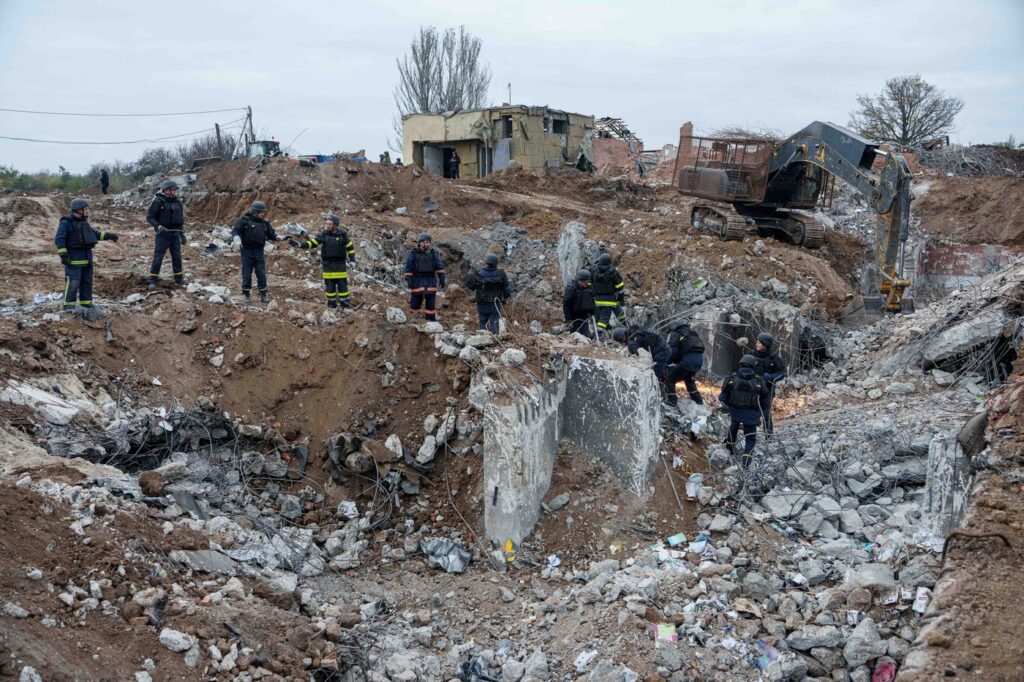
Furthermore, Iranian state media reported the occurrence of several explosions on Qeshm Island, located in the Strait of Hormuz, and near the port of Jask. The causes of these explosions remain unclear, as U.S. Central Command has not issued a response regarding these events.
In Yemen, airstrikes conducted near the capital, Sanaa, resulted in the deaths of at least 27 individuals, with over 36 others injured, primarily women and children. According to the Houthi-run Health Ministry, these strikes occurred in a village situated close to Sanaa. The Houthi spokesman accused Saudi Arabia of launching the attacks, which the Saudi Information Ministry has not responded to yet. The fighting between the Iranian-backed Houthis and their Saudi-backed opponents has intensified since the summer, exacerbating the humanitarian crisis in Yemen.
Turning to Israel, President Isaac Herzog appointed opposition candidate Gadi Eisenkot to attempt to form a new government following the elections held on October 27, 2023. Eisenkot, a former military chief, emerged as the primary challenger to Prime Minister Benjamin Netanyahu, although neither candidate's bloc secured a majority in parliament. With Israel deeply divided in the aftermath of the October 7 Hamas-led attacks and ongoing conflicts in Gaza, the negotiation for a coalition remains complicated.
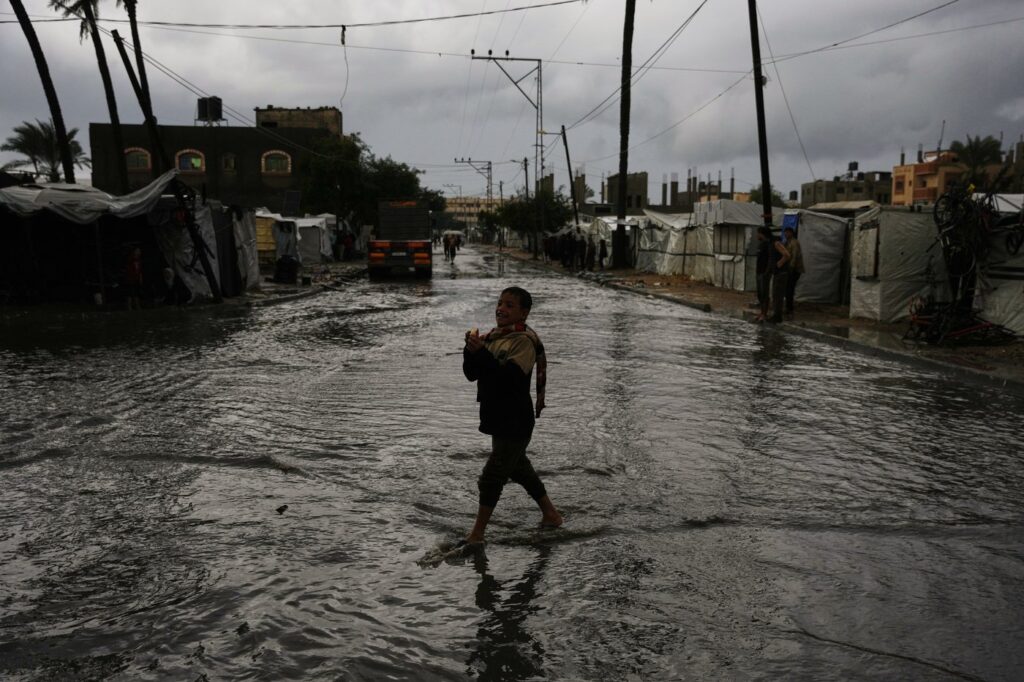
In Gaza, heavy rains have marked the start of another harsh winter for the more than 1.6 million Palestinians who have been displaced and are currently living in makeshift shelters or tents. Recently fallen rain exacerbated conditions for displaced families as it flooded their living areas, soaking belongings and creating difficult living situations.
The U.S. midterm elections indicate a growing frustration regarding U.S. support for Israel among both Democrats and Republicans. The Democratic party, having recently gained control of Congress, exhibits a divided stance on foreign policy concerning Israel, while some Republicans express discontent over Israel's conduct during wartime in Gaza. Notable events during the elections included former President Donald Trump's suggestion to cut off aid to Israel, alongside the election of Abdul El-Sayed, the first Muslim elected to the U.S. Senate, who addressed the Vice President using common Arabic terms of affection in his victory speech.
This coverage will be updated as further developments unfold throughout the day.