In a significant announcement during the 2026 federal budget, the Liberal government of Canada committed to ending homelessness within a decade. This ambitious initiative aims to secure a total of $11.2 billion to combat homelessness over the next four years, starting in 2027, with an overarching funding goal of $17.8 billion over ten years.
Prime Minister Mark Carney described this homelessness strategy as one of the government's "flagship" policies. Acknowledging the challenges that lie ahead, he expressed confidence that with adequate investments and collaboration with municipal and provincial governments, the objective is achievable. In Toronto, particularly in the Regent Park area, such partnerships are already being established to aid in this effort.
Toronto-Danforth Liberal MP Julie Dabrusin reinforced the government's commitment by stating, “We know it isn’t easy, but that isn’t what we’re committing to do is the easy things, we’re committing to do the right things.” She emphasized the importance of collective efforts among cities, provinces, and philanthropic organizations to effectively tackle the homelessness crisis.
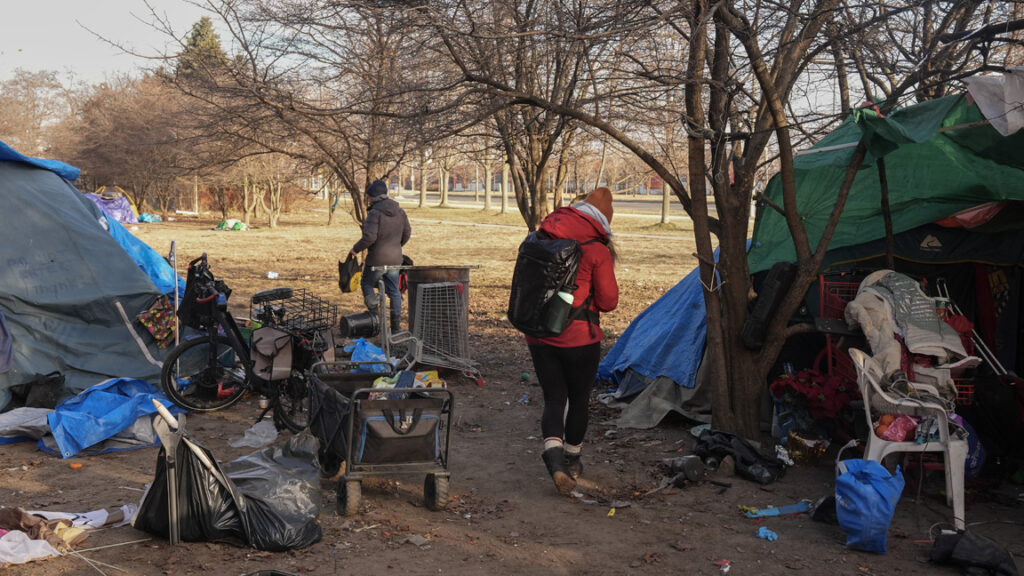
The situation in Toronto has reached critical levels, with local data revealing that the number of individuals experiencing homelessness has more than doubled between 2021 and 2024, exceeding 15,000 people. Dabrusin mentioned, “I think there’s an exciting opportunity here for Toronto,” highlighting the urgent need for support for the ever-growing homeless population and advocating for essential housing and health resources.
However, the provision of health and mental health supports falls under the jurisdiction of the provincial government. Toronto Mayor Olivia Chow has called upon Ontario Premier Doug Ford to expedite these services as part of the federal initiative. She noted that agreements would begin with provincial governments, starting with Manitoba, which will provide the necessary "wraparound services," essential for the success of the housing initiative.
"So I hope this provincial government in Ontario would step up and do the agreement with the federal government so we can build, very quickly, many more supportive housing and end homelessness, which is a pledge that we all believe in," said Chow, stressing the importance of prompt action by local authorities.
An estimated 65,000 individuals across Canada were reported as experiencing homelessness in a federal count conducted in 2025, with a 2022 Statistics Canada study revealing that nearly one in eight households has faced some form of homelessness at some point in their lives. Among Indigenous populations, the statistics are even more alarming, with rates exceeding one in four households encountering homelessness.
This current initiative comes on the heels of a 2017 pledge by the Canadian government to cut chronic homelessness by 50% by the 2027-28 fiscal year. Despite this commitment, data indicates a staggering 59% increase in homelessness from 2020 to 2025, underscoring the urgency of the government's latest efforts to address this nationwide issue.