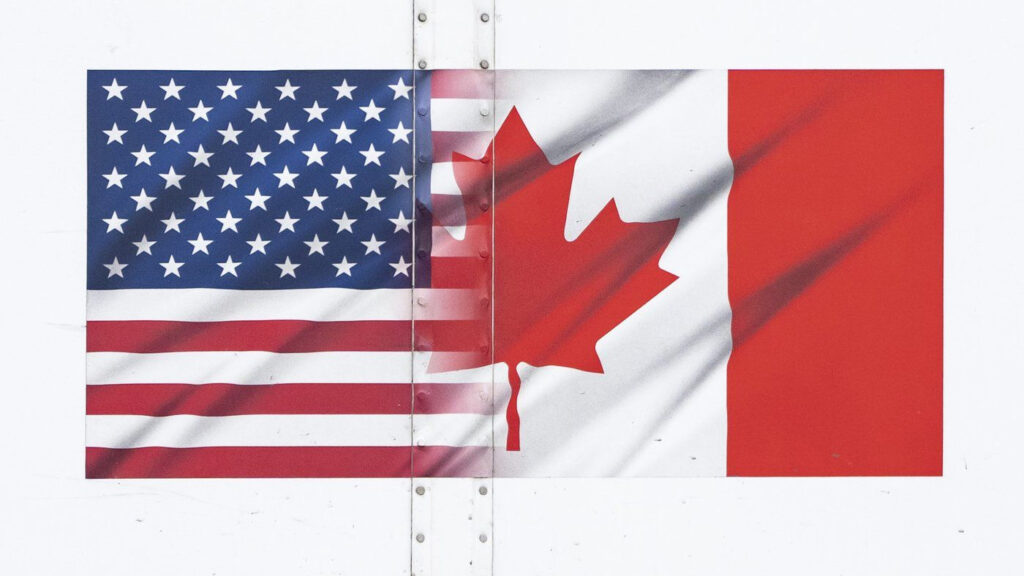
In 2019, Lucia Lloyd immigrated from Virginia to Canada, seeking distance from the political turmoil surrounding President Donald Trump. Lloyd described her growing disillusionment with U.S. politics, which reached a tipping point during the contentious nomination and confirmation of Supreme Court Justice Brett Kavanaugh amid allegations of sexual misconduct. Following this event, she began to explore the possibility of moving to Canada and successfully relocated, eventually becoming a priest in Bowmanville, Ontario, east of Toronto.
Since her move, Lloyd has expressed horror at Trump's actions, particularly during his second term when he initiated a trade war with Canada and made unsettling remarks about the possibility of annexing the country. She emphasized that Canada had done nothing to deserve such treatment, attributing it to what she perceived as Trump's personal meanness towards allies and trading partners. The sentiment has been echoed by many Canadians, who welcomed the recent Democratic victories in the U.S. midterm elections with cautious optimism. For Lloyd, these results fostered a sense of relief and hope for improved relations between Canada and the U.S., which had been strained for nearly two years due to Trump's policies and rhetoric.
Lloyd is currently on a work permit in Canada while her application for permanent residency is pending. She contrasted her experience with that of many immigrants in the U.S., who face the constant threat of detention and deportation under stricter immigration policies. Despite the Democratic wins, she acknowledges the long road ahead in restoring trust between the two nations, indicating that the damage inflicted by the current U.S. administration will take considerable effort to mend. “There’s a lot of work still to be done. I think it’s going to take a long time,” she stated.
Similarly, Kate Kitchen, a dual citizen from Ohio residing in Peterborough, Ontario, shared her perspective on the evolving political landscape. Despite a shared skepticism about swiftly rebuilding trust in the U.S.-Canada relationship, she expressed optimism regarding the potential for long-term improvements. Kitchen stayed up late to follow the midterm election results, feeling a sense of surprise and excitement as she witnessed the Democrats capture both the House and the Senate, believing that this change would limit Trump’s ability to disrupt established norms and relationships.
Political scientist Matthew Lebo from Western University in London, Ontario, acknowledged the temporary boost in optimism following the midterms but urged caution. He emphasized that it’s premature to assume that American voters have permanently shifted away from the ideologies represented by Trump and many Republican leaders. Lebo highlighted ongoing concerns about the U.S.-Canada relationship, particularly focusing on the detrimental tariff war initiated under Trump’s administration, which has left Canadians apprehensive.
Lebo also pointed out the significant issue of democracy in the U.S., noting a deteriorating slide towards authoritarianism under Trump. While some Democrats in Congress have historically favored protectionist measures, he speculated that they might push back against Trump’s tariffs on Canadian goods. However, the reality remains that Trump and his administration will still be the primary negotiators with Canada, suggesting that confrontational dynamics could persist for the next few years at both the governmental and international levels.